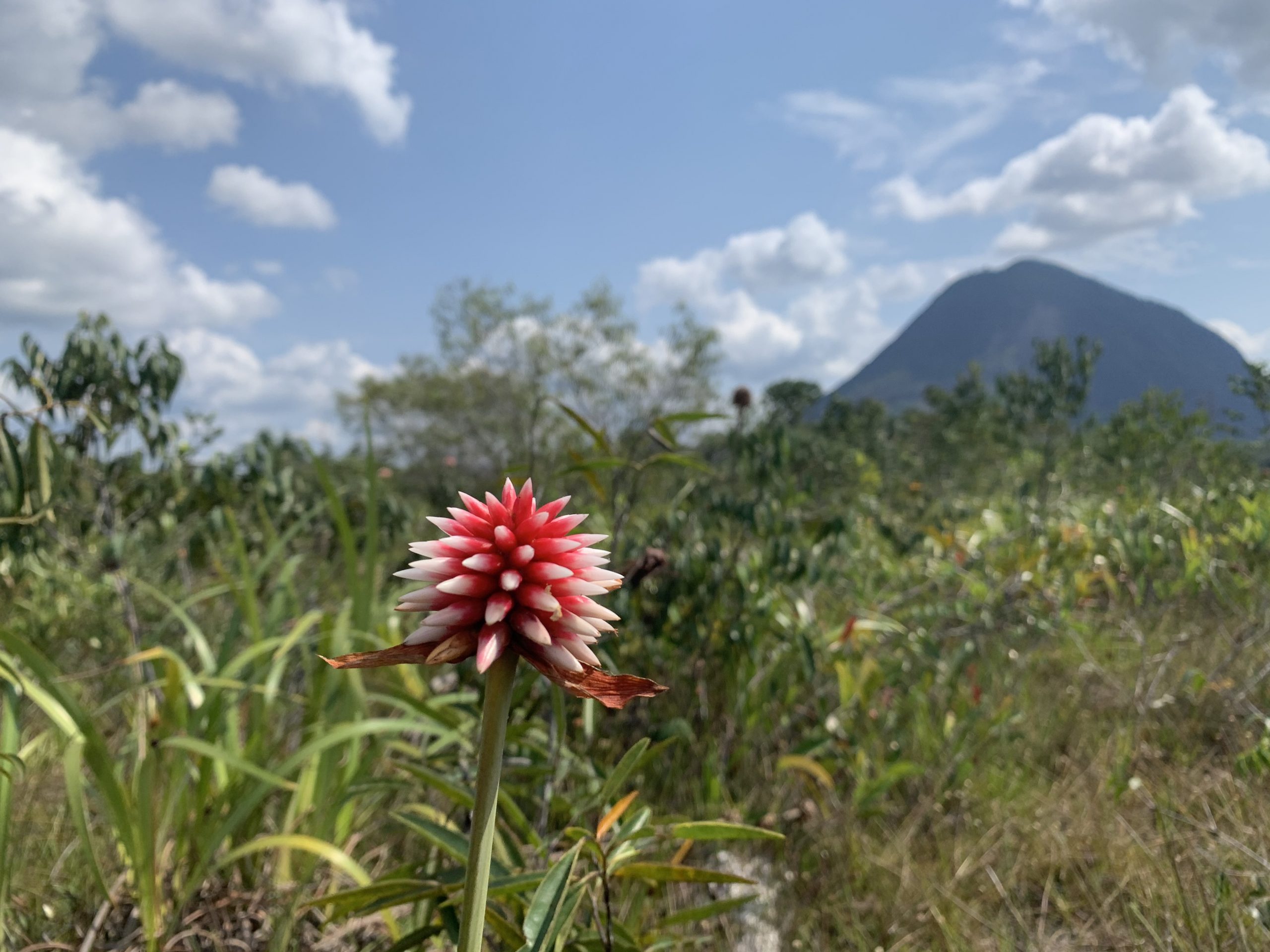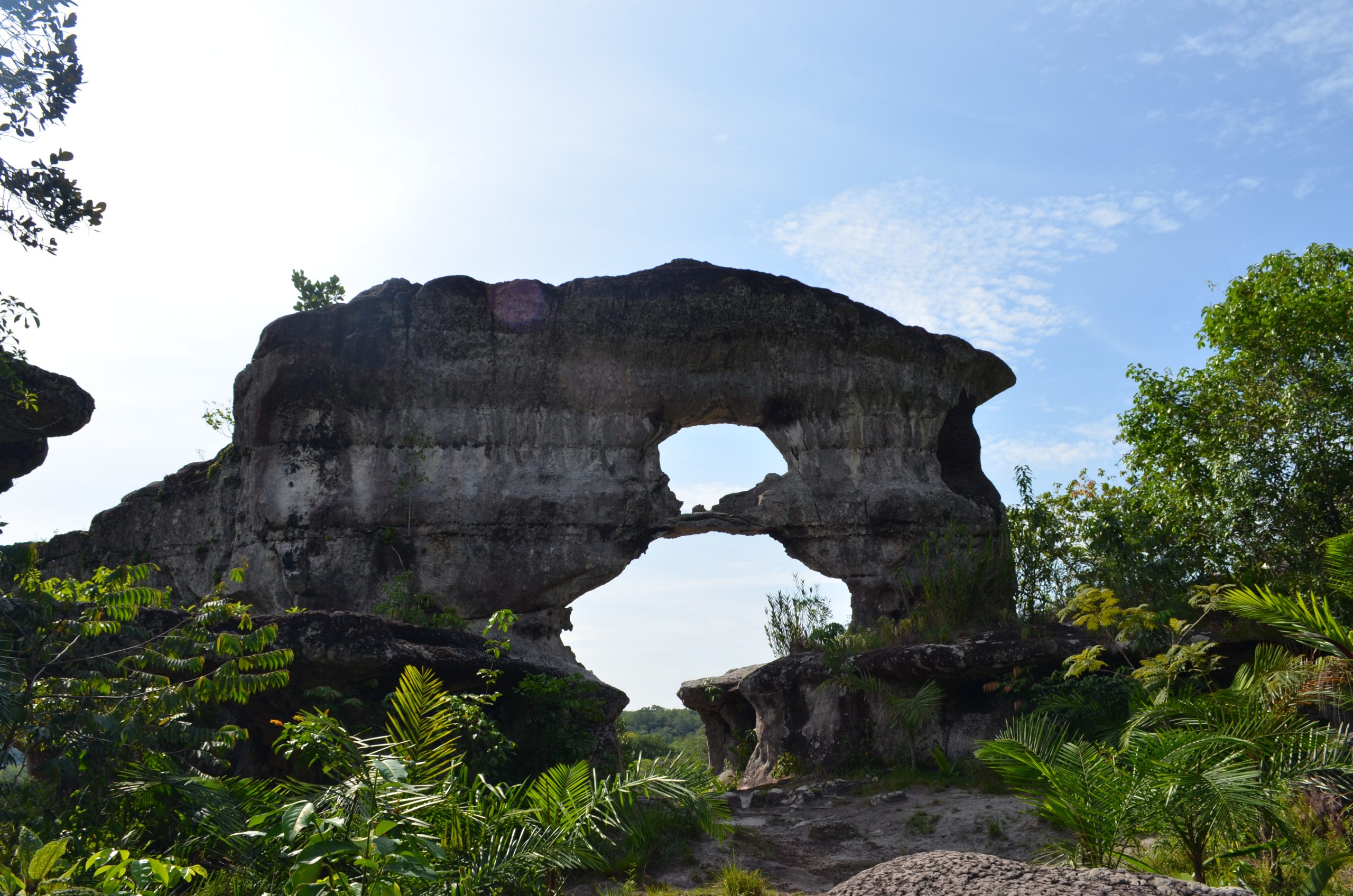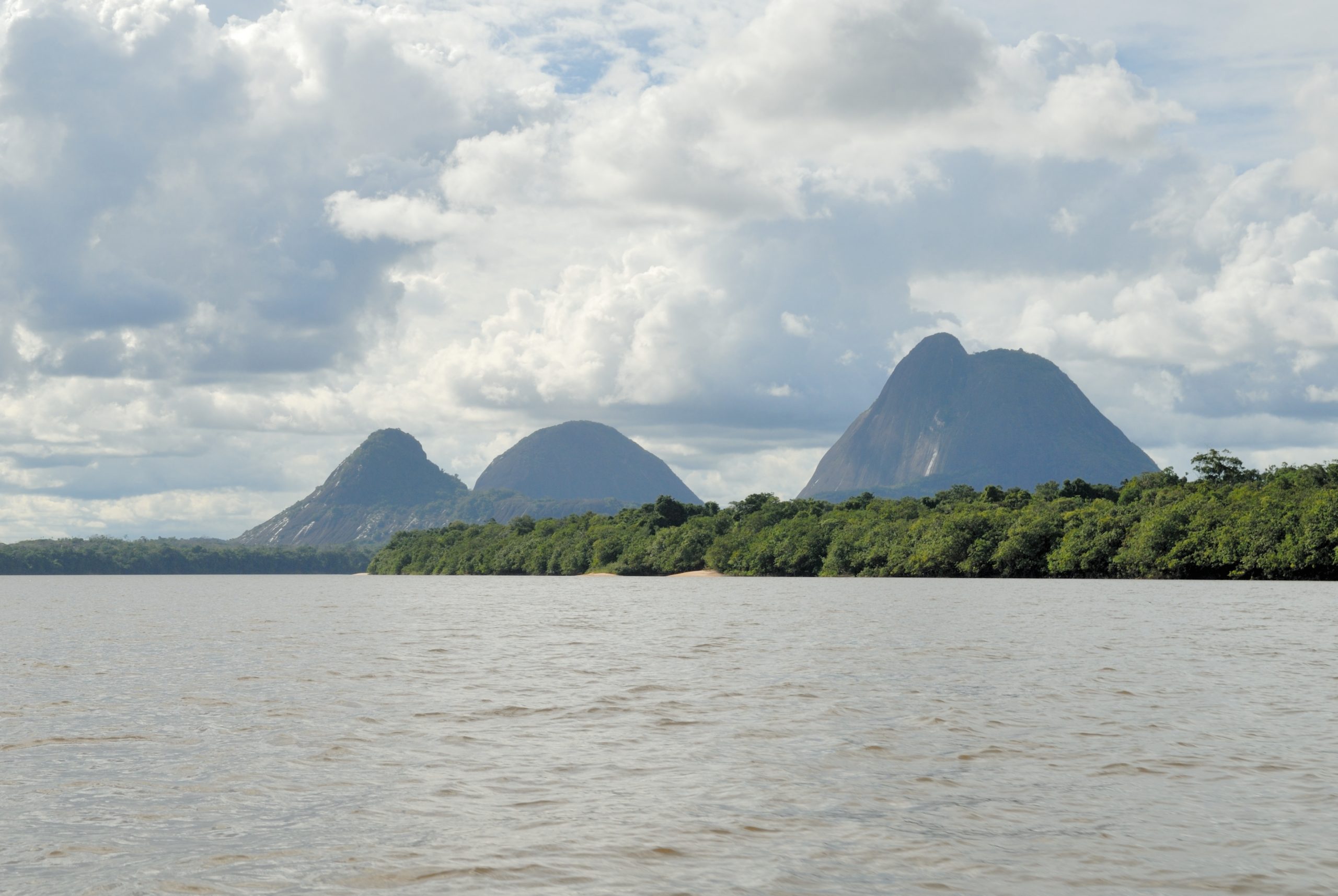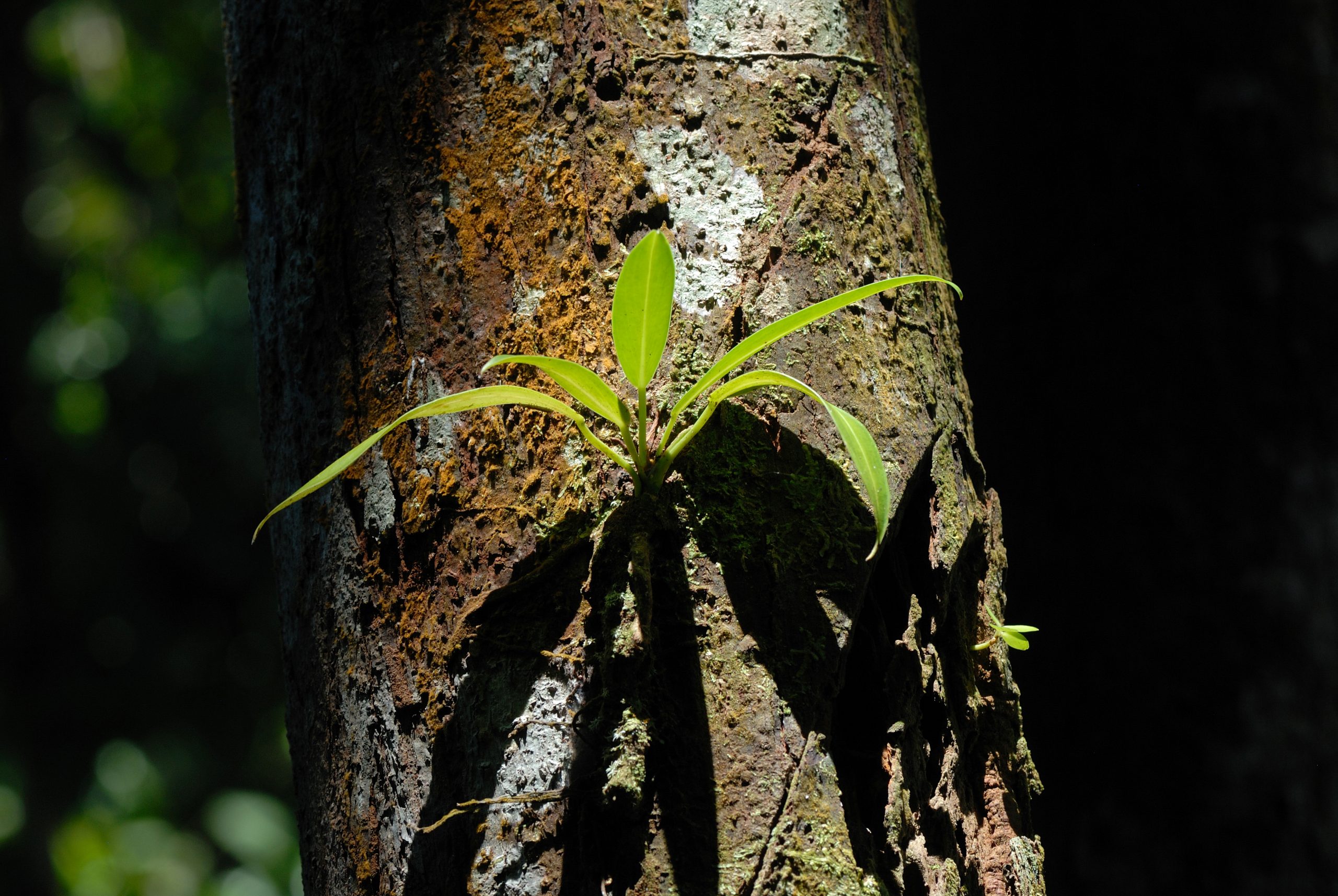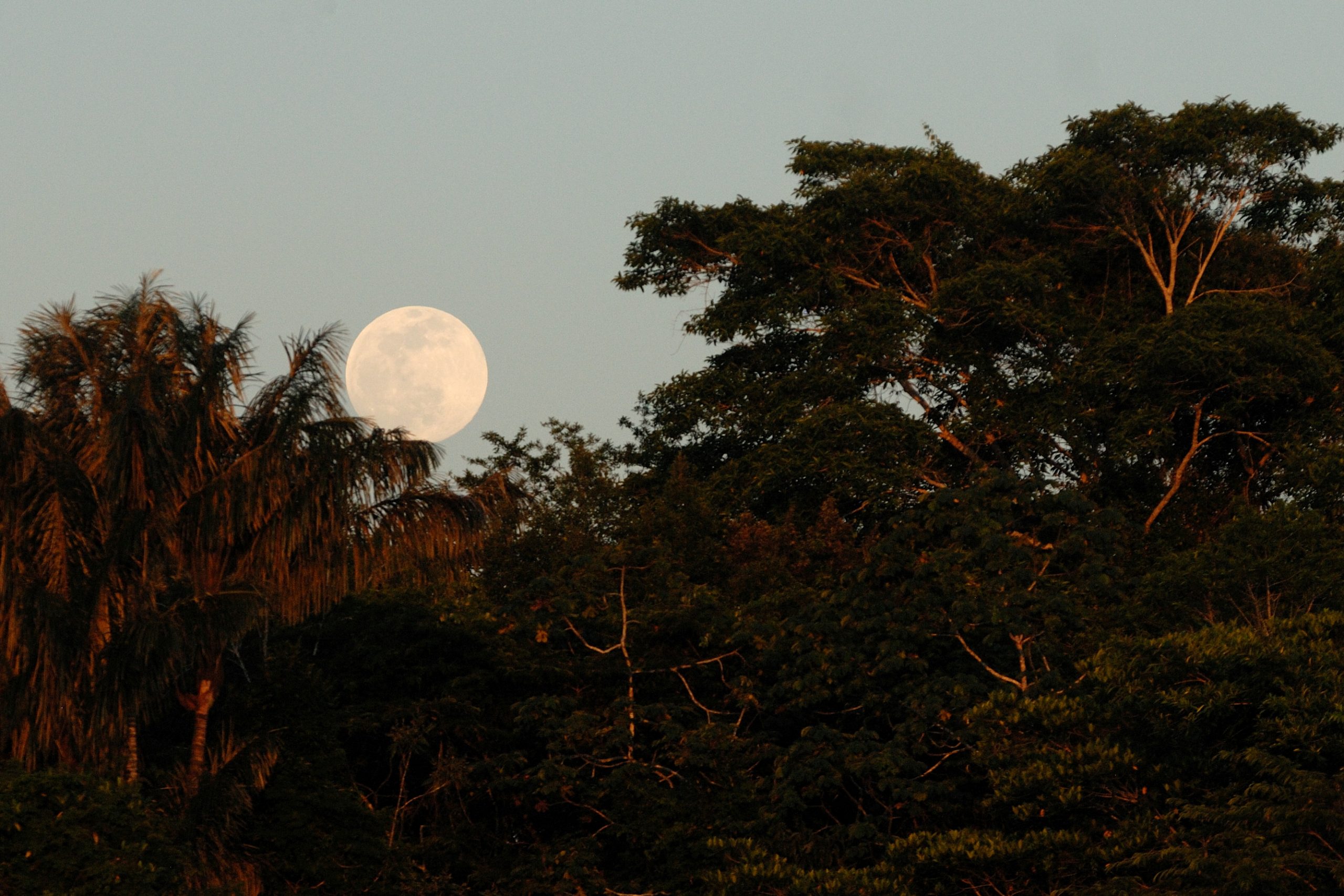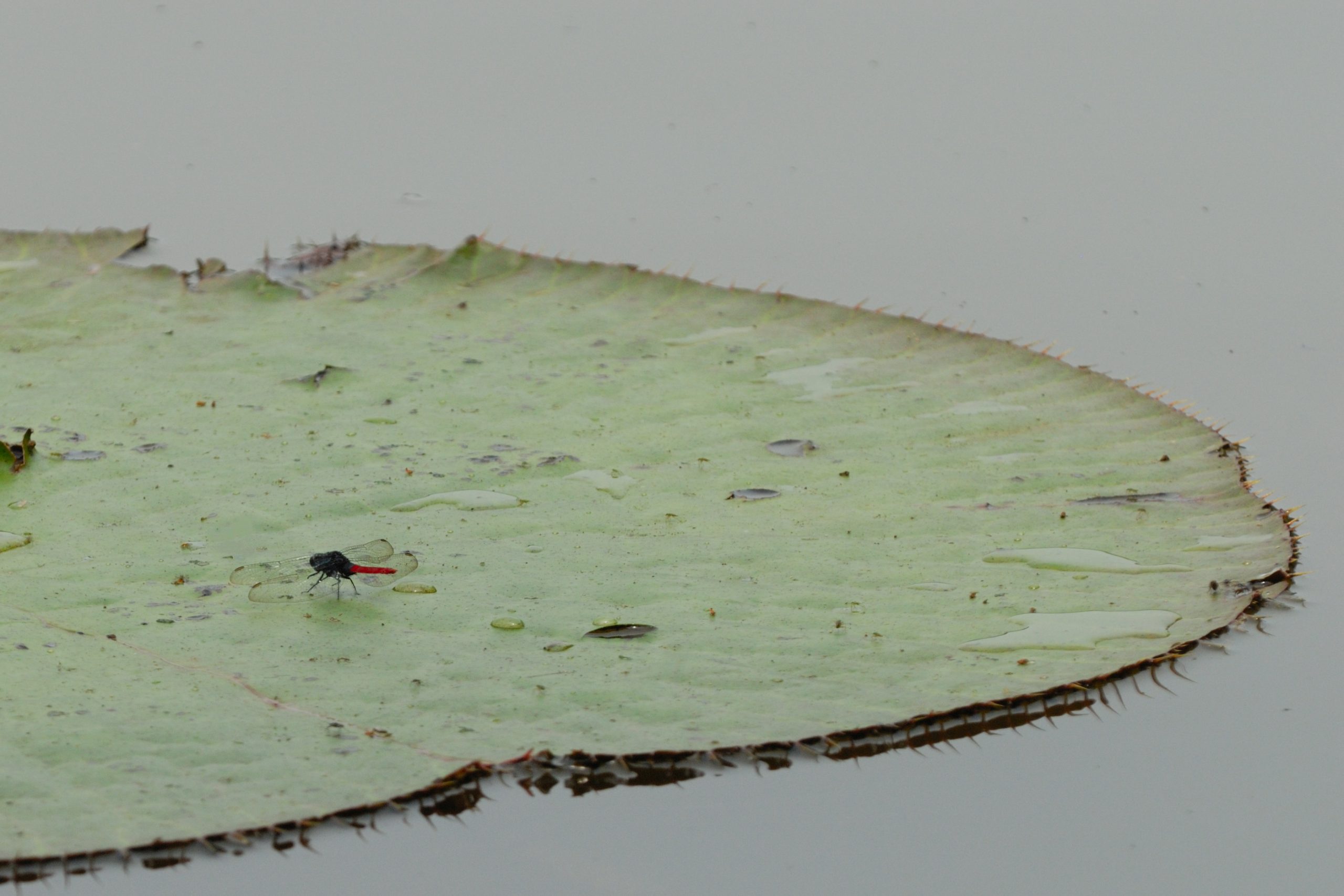

The Colombian Amazon covers more than 400,000 square kilometres. This equals around 35% of Colombia’s territory. It forms part of the vast Amazon Rainforest. Dense jungle, winding rivers, and flooded forests support an incredible variety of wildlife.
- The Amazon covers a huge part of Colombia: Much of the region remains remote. However, several destinations offer access to the rainforest. Leticia serves as the main gateway.
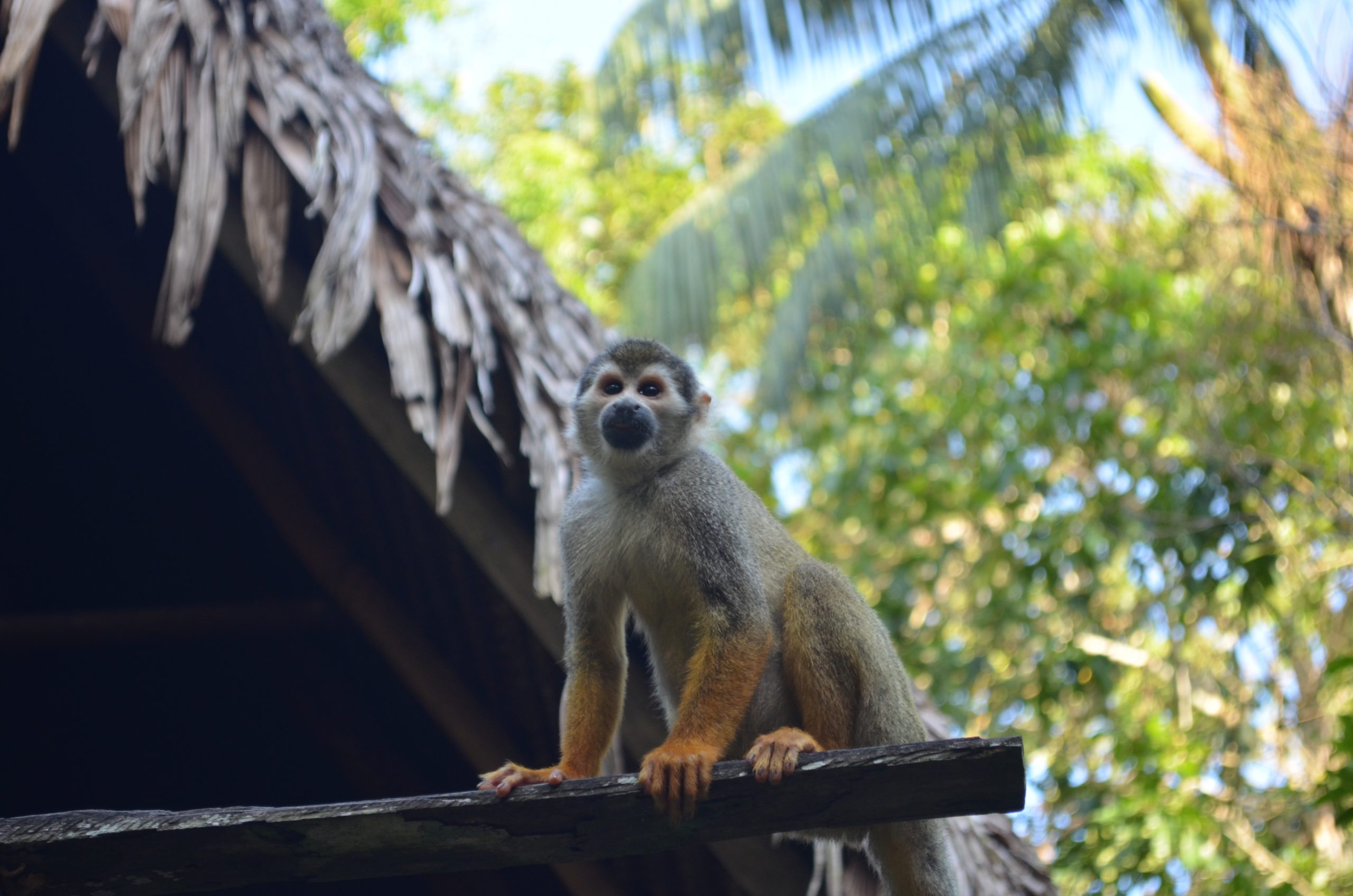
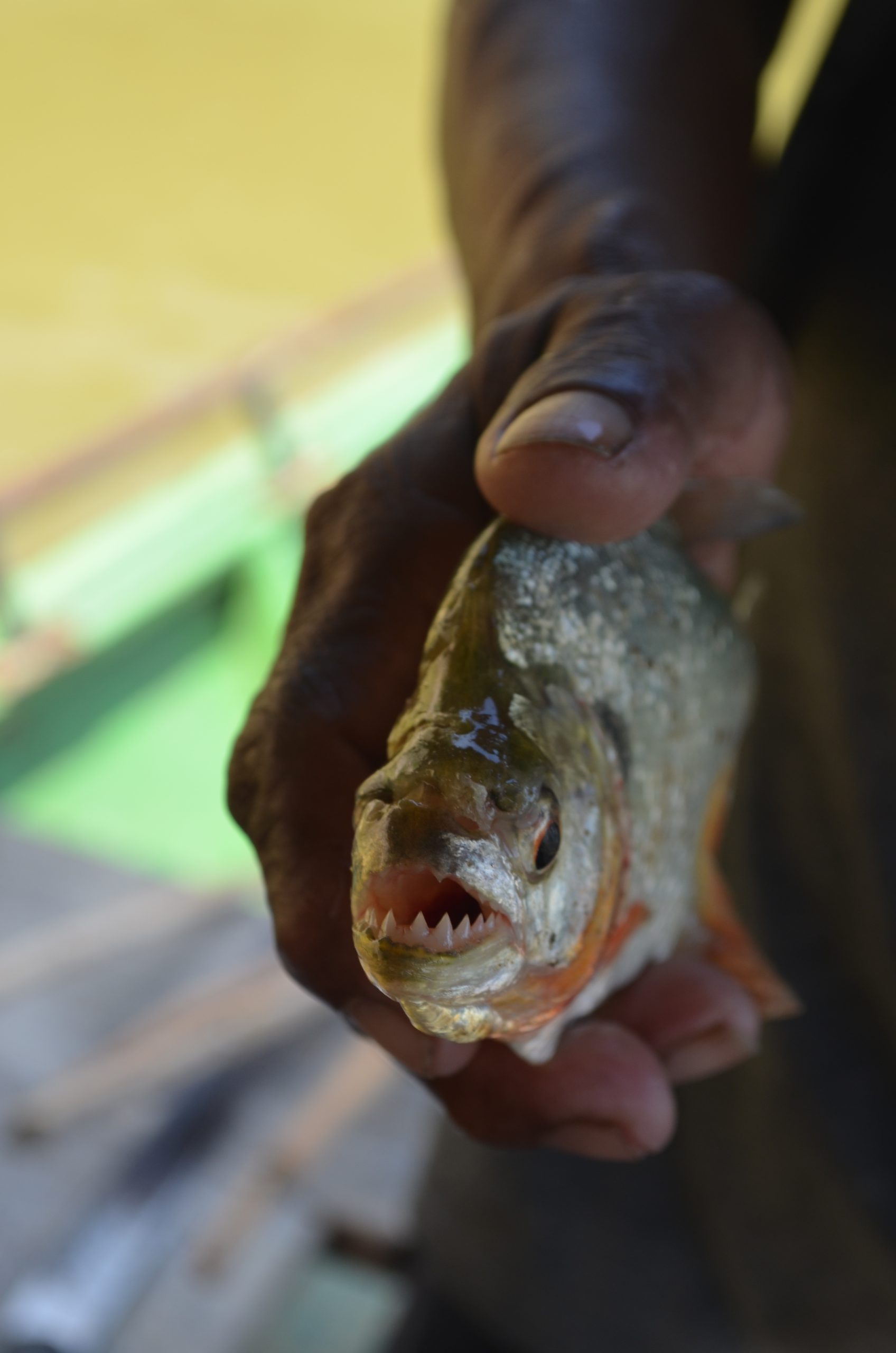
- The region is home to incredible wildlife: Macaws and toucans share the forest with pink river dolphins, monkeys, caimans, anacondas, and many other species. Local guides can help visitors spot wildlife during the day and at night.
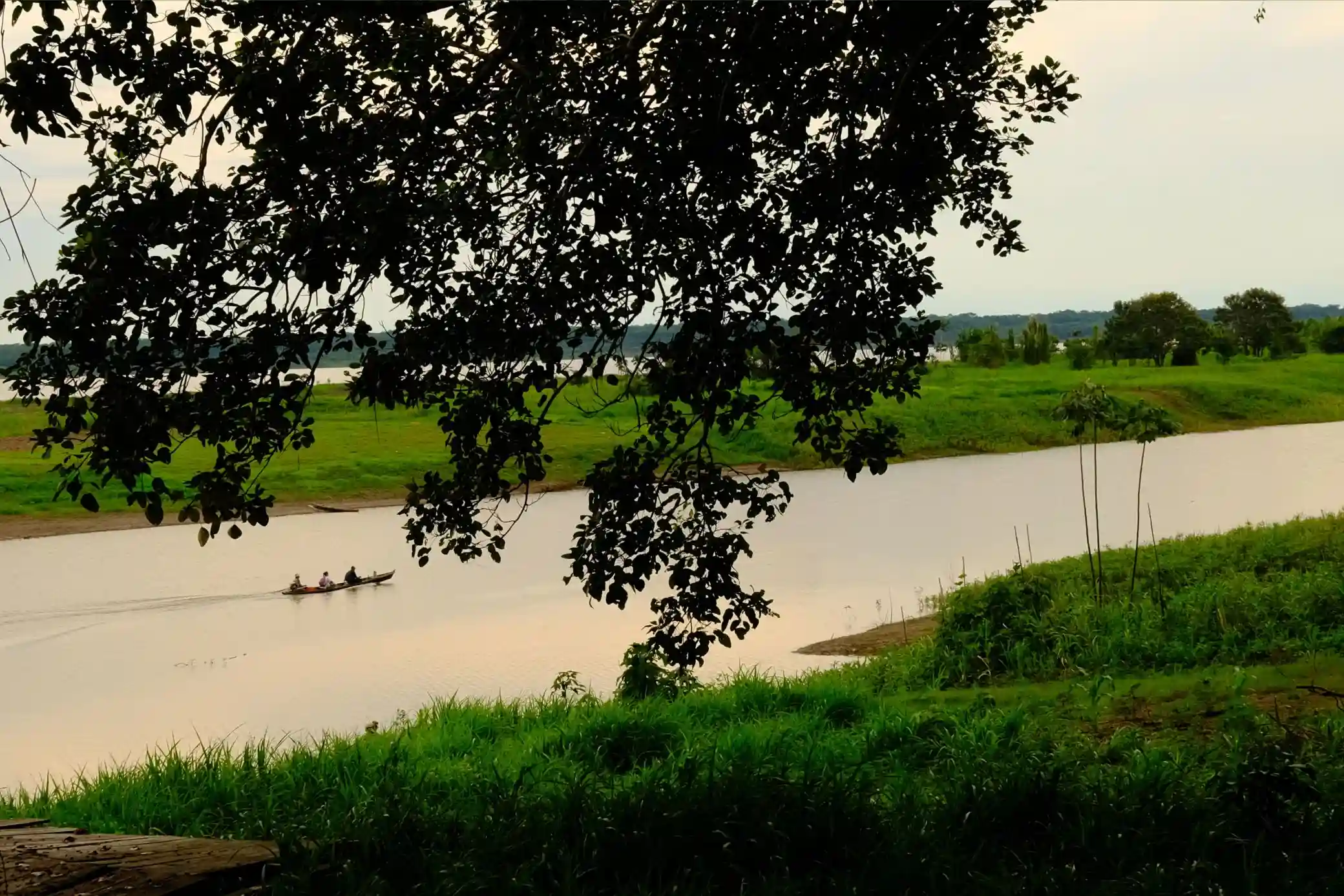
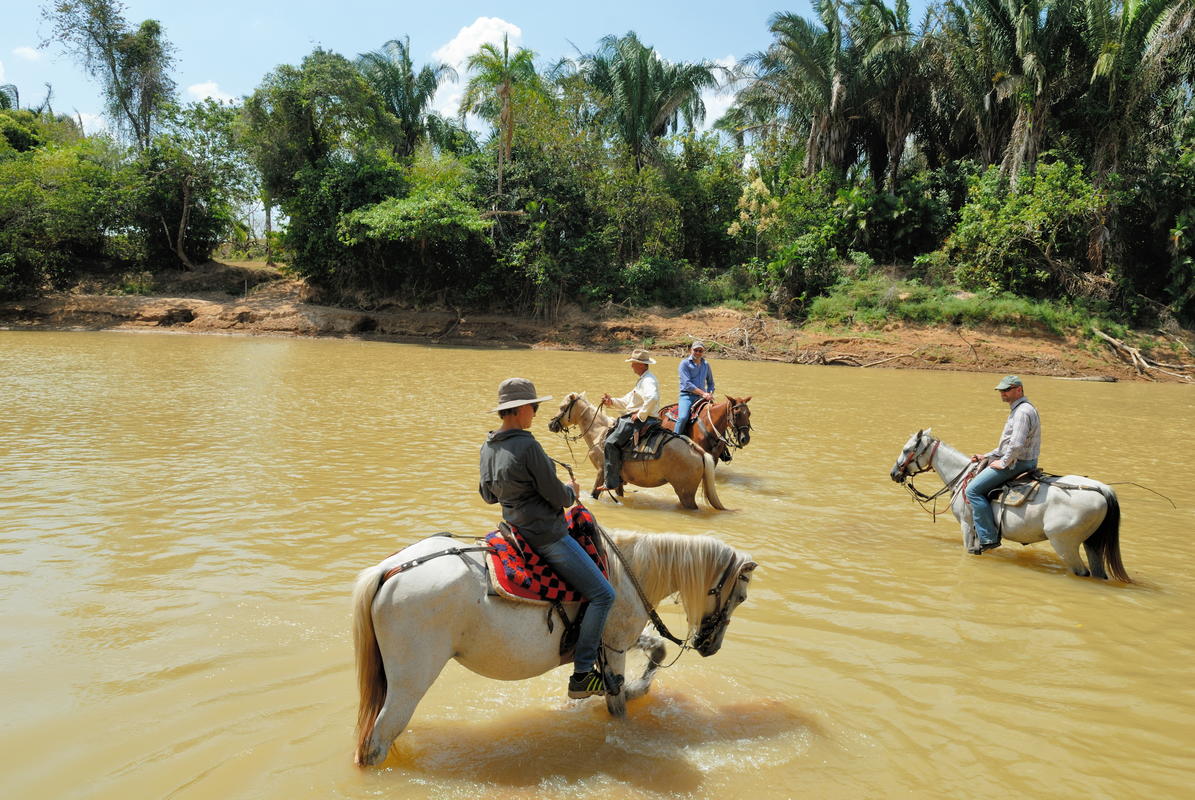
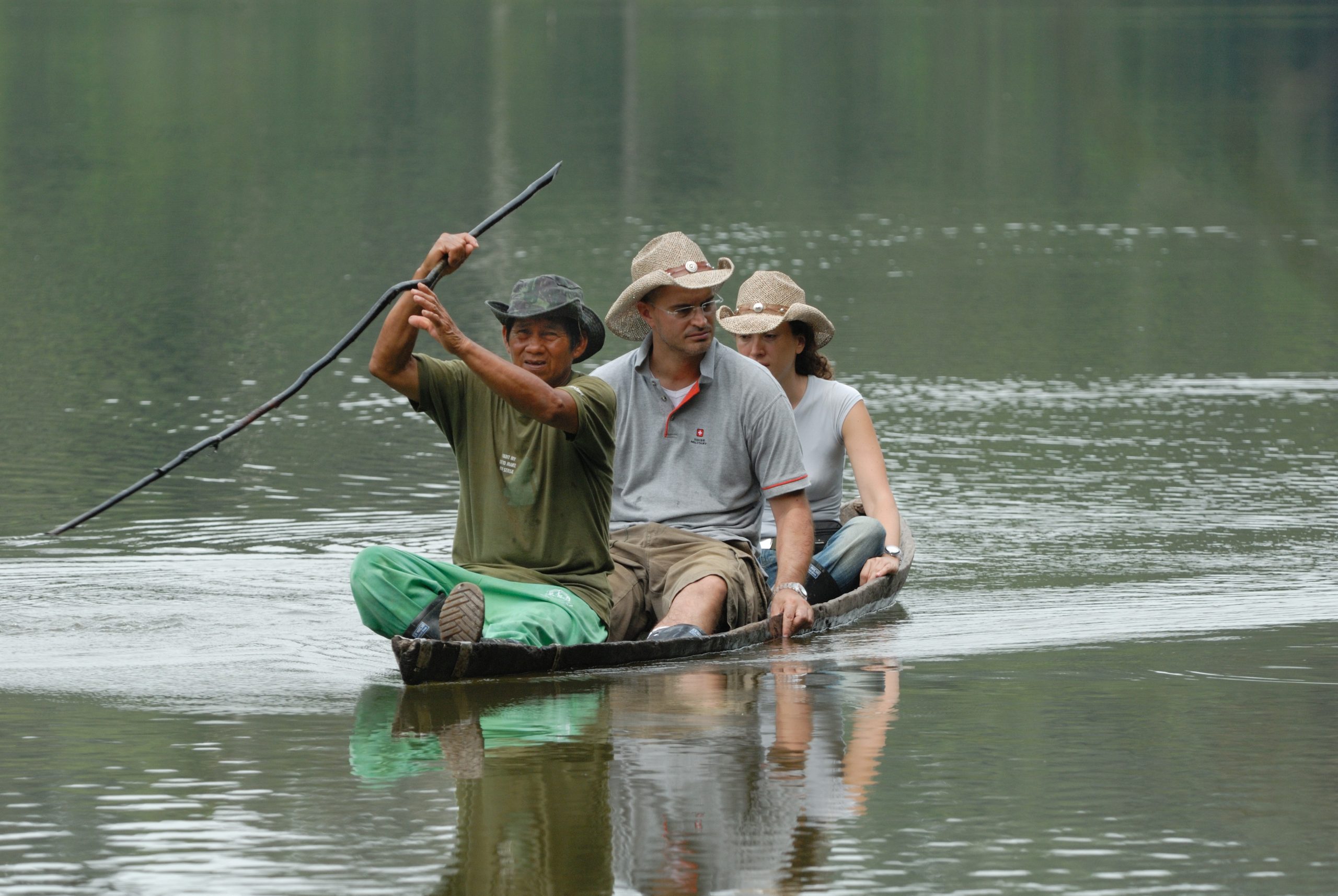
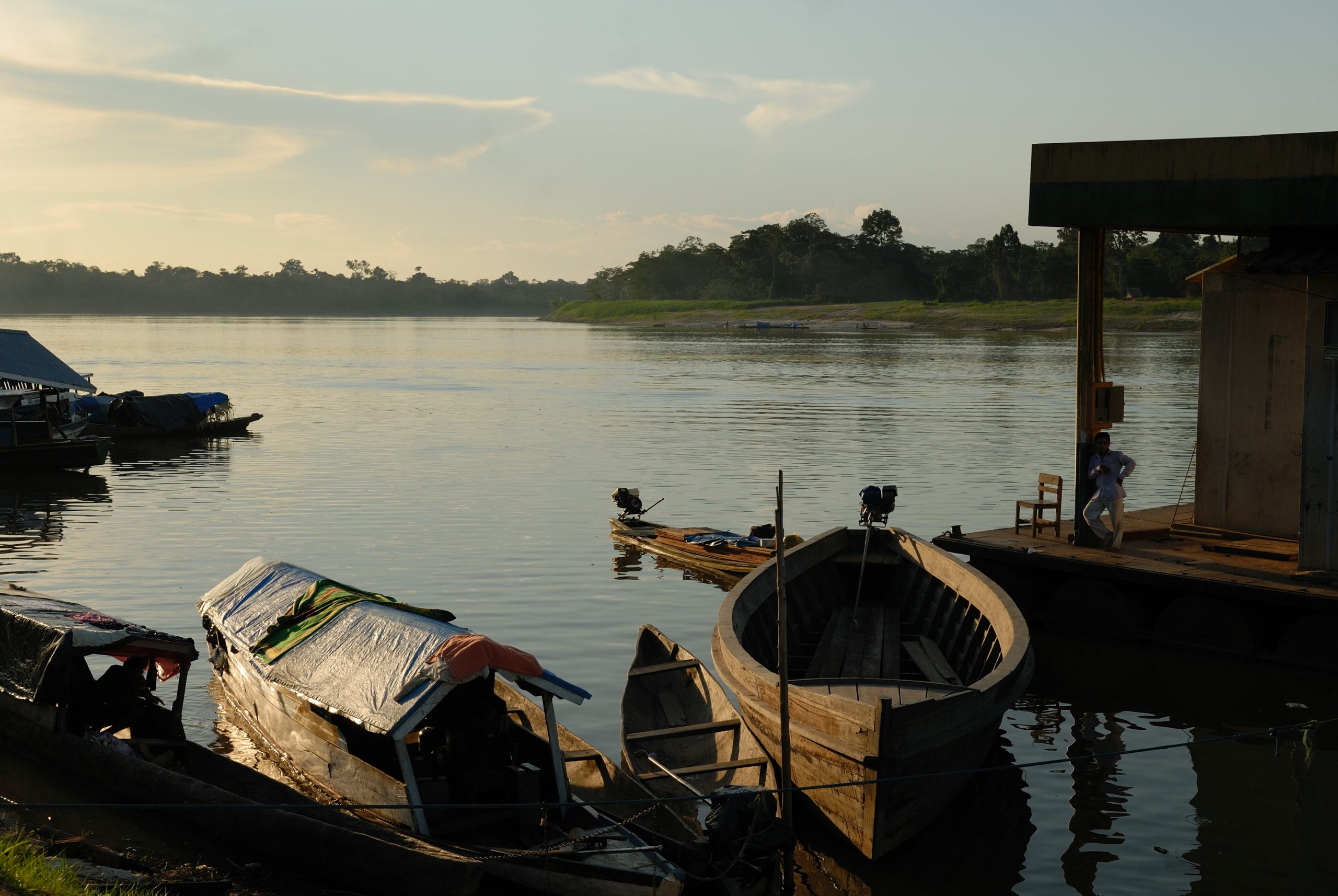
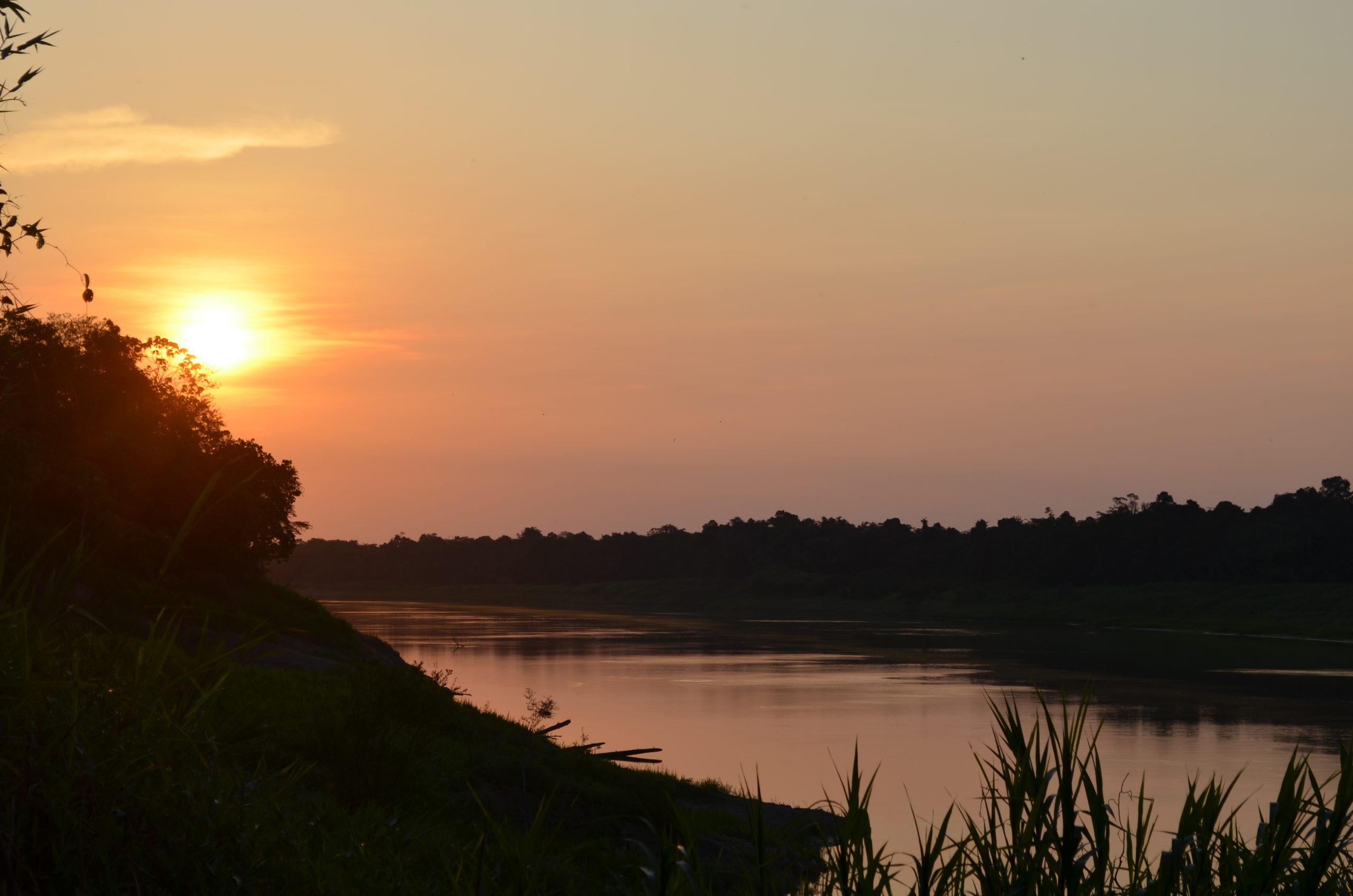
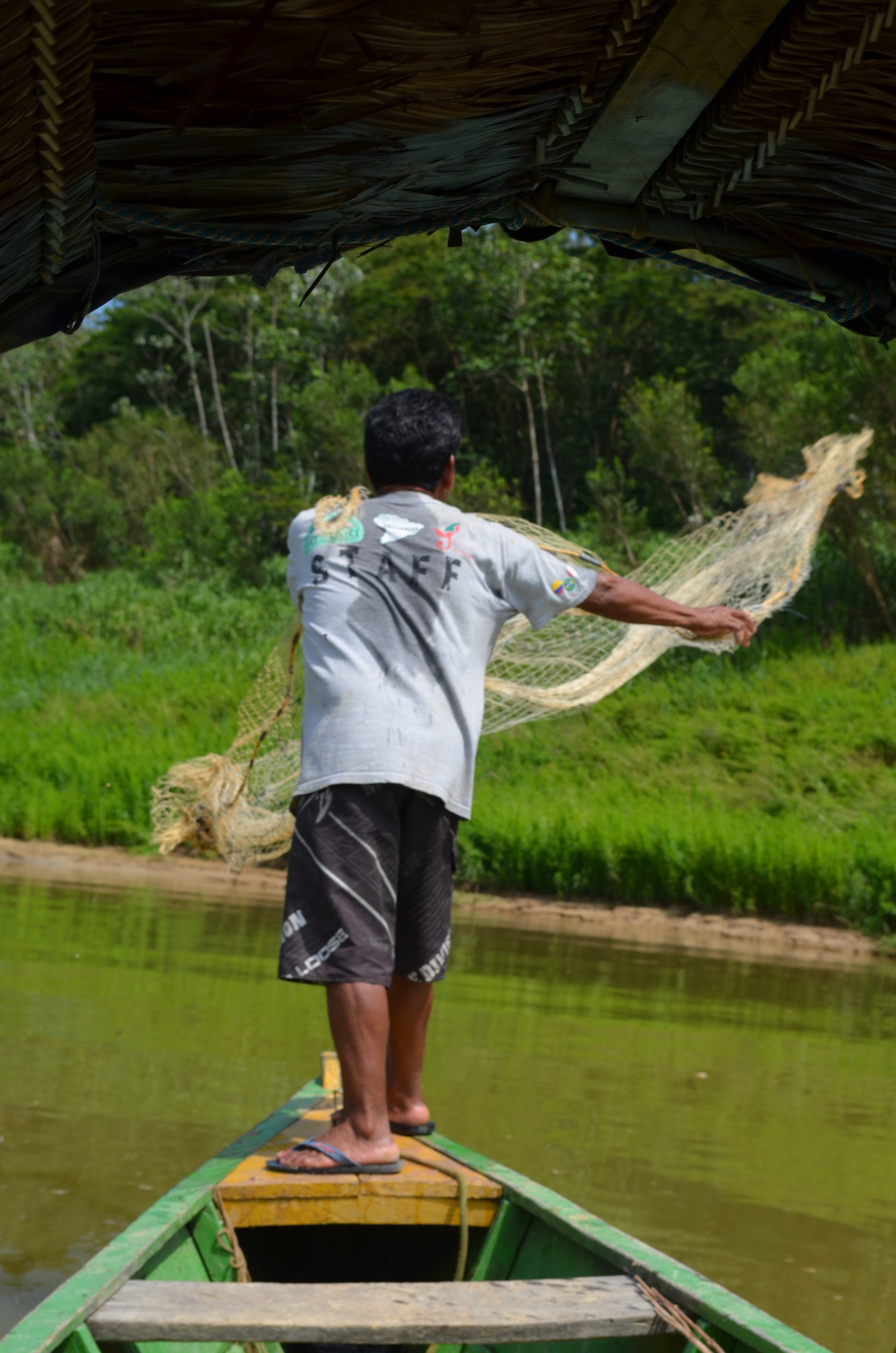
- Rivers connect communities and ecosystems: Rivers play a key role in Amazonian life. Canoes travel through flooded forests and remote waterways. They also connect communities and nature reserves.
- The rainforest offers many ways to explore: Hike through the jungle, paddle along quiet waterways, or go birdwatching. Night safaris offer another way to experience the forest. At Tanimboca, canopy tours and suspension bridges provide views from above.
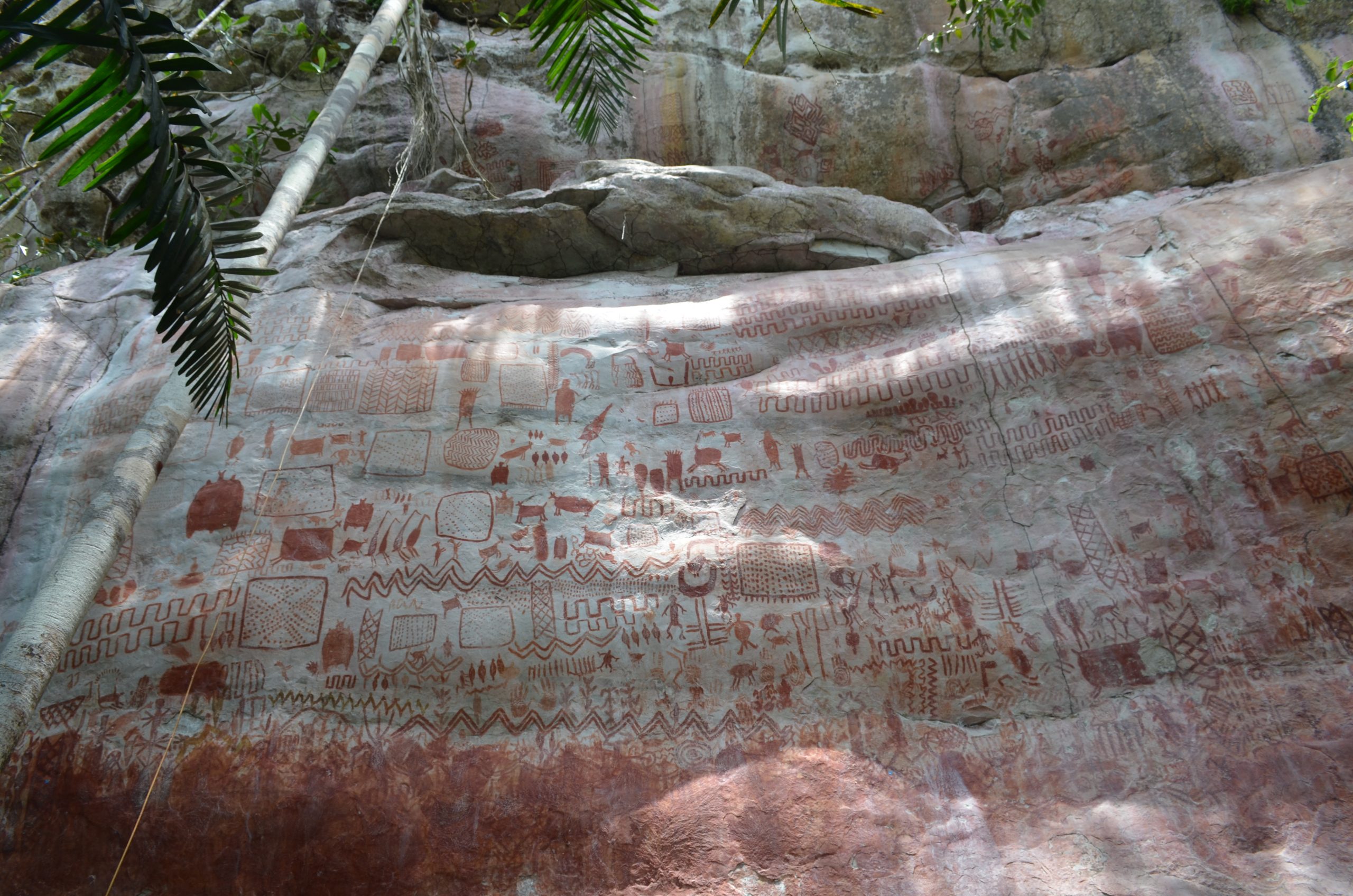
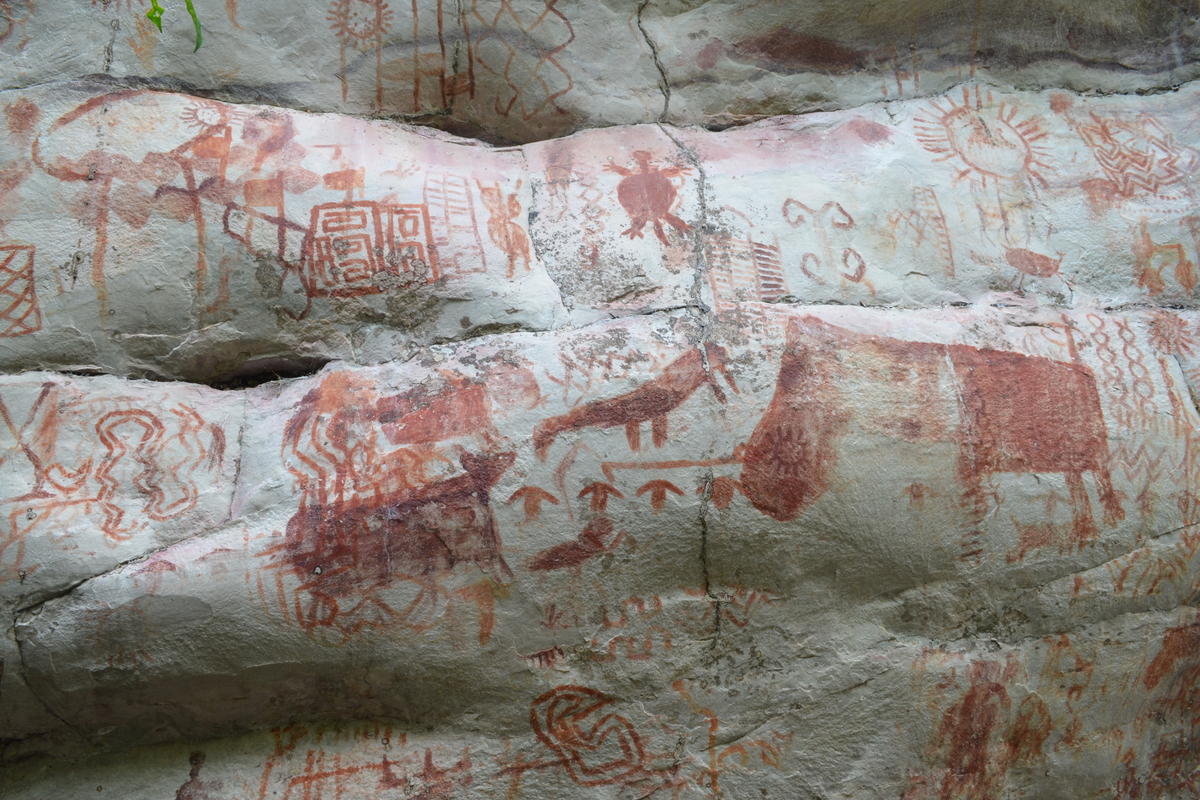
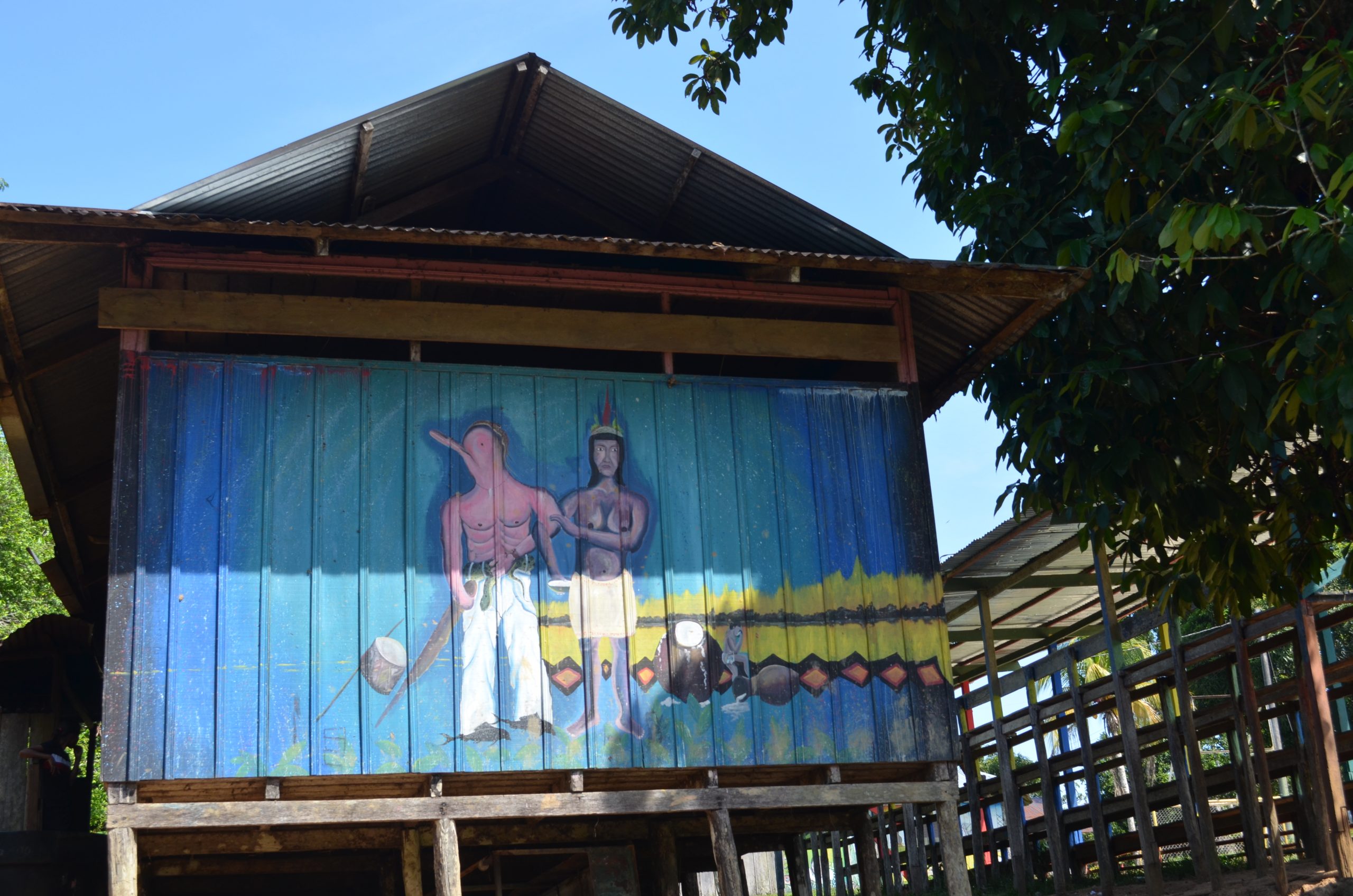
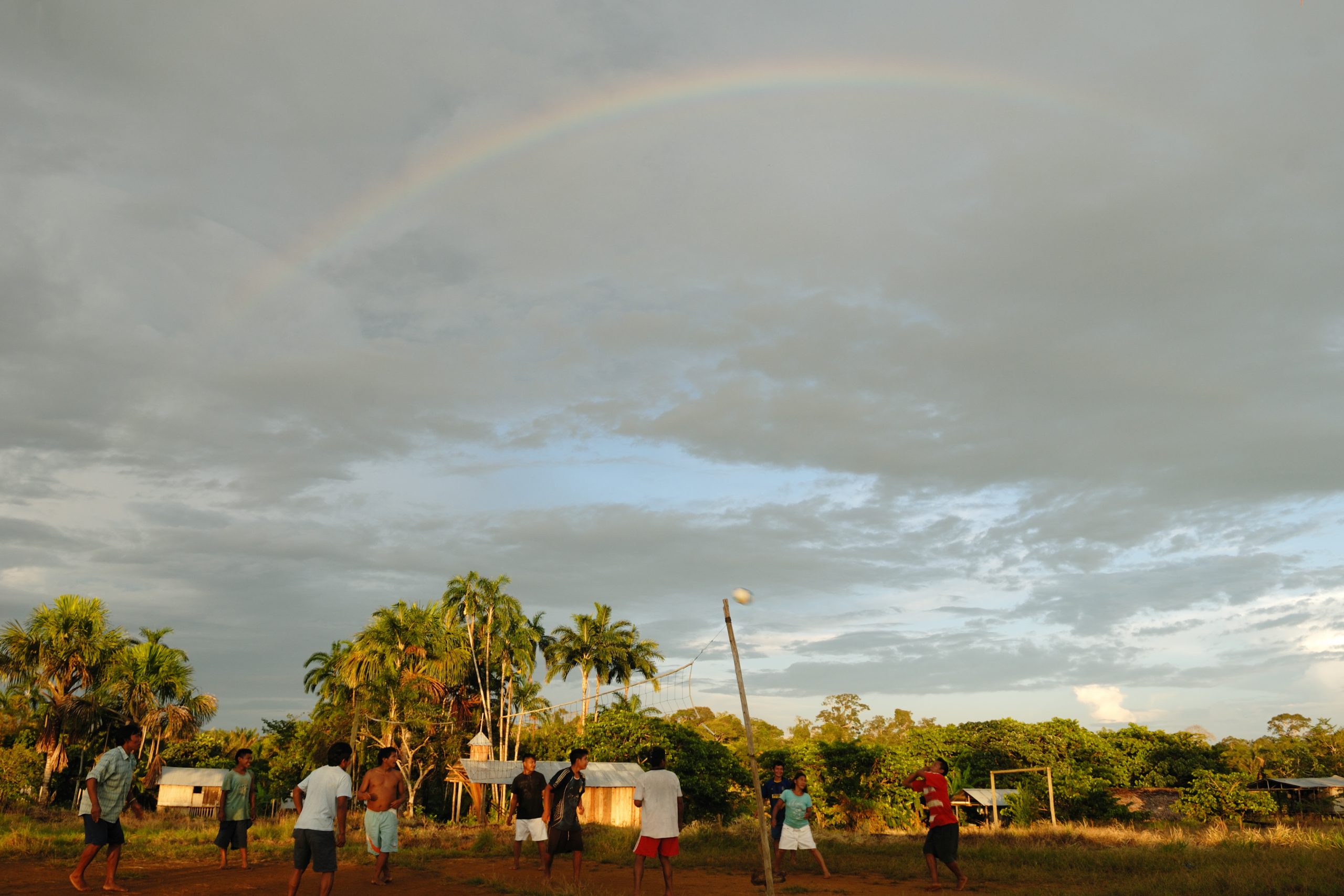
- Indigenous knowledge remains central to Amazonian life: Indigenous communities have passed down knowledge of medicinal plants, wildlife, rivers, and forest ecosystems for generations. Local guides share this knowledge during nature and cultural experiences.
- Amacayacú National Natural Park protects rich ecosystems: The park lies near Leticia. It protects rainforest, wetlands, and river islands. Local guides can introduce visitors to the area’s wildlife, plants, and Indigenous traditions.
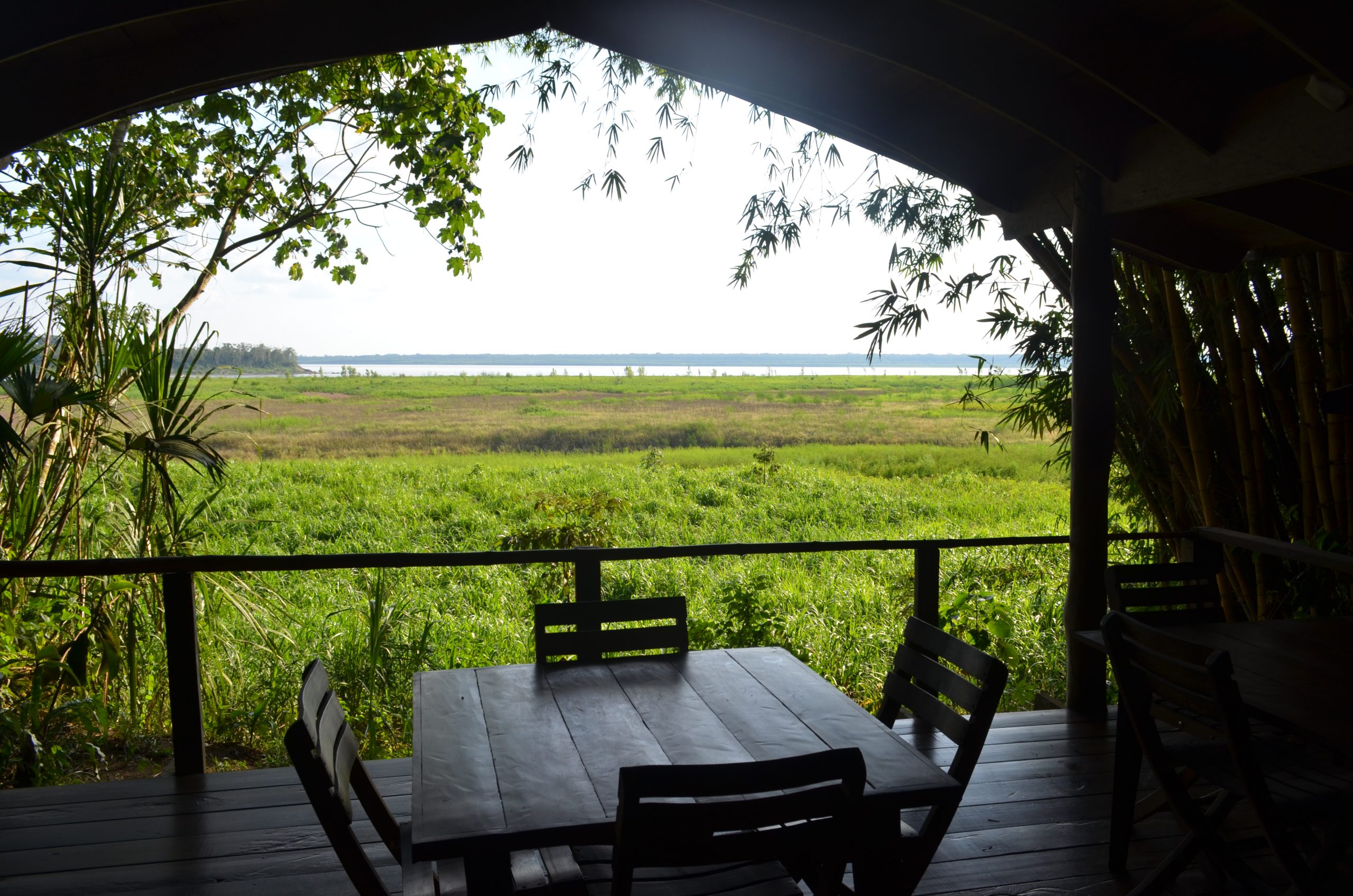
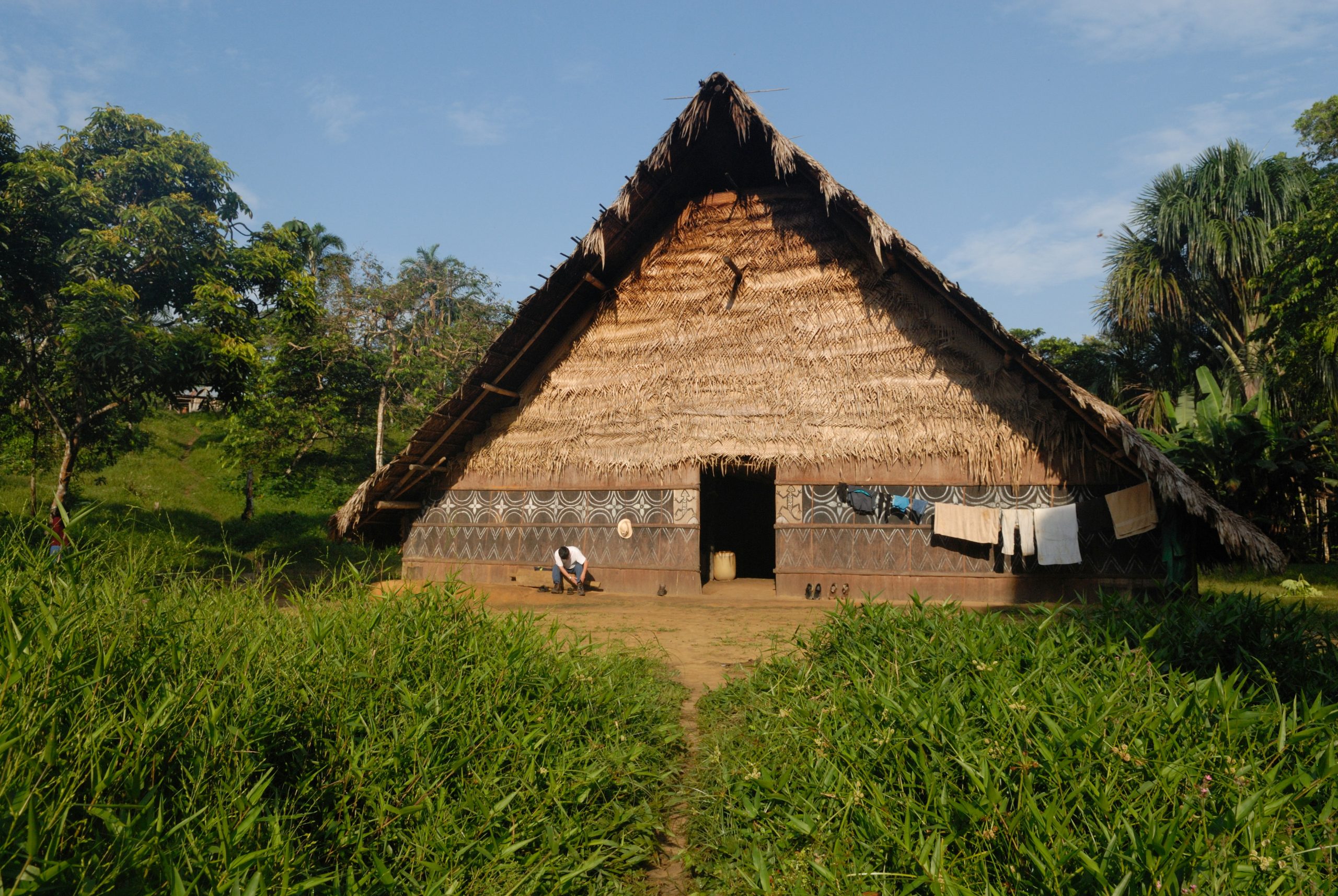
- Amazonian architecture works with nature: Many lodges use sustainable designs inspired by traditional building techniques. Natural materials, open spaces, and raised structures help them blend into the rainforest.
From winding rivers and dense forests to remarkable wildlife and Indigenous traditions, the Colombian Amazon offers an immersive experience in one of the world’s most fascinating ecosystems.