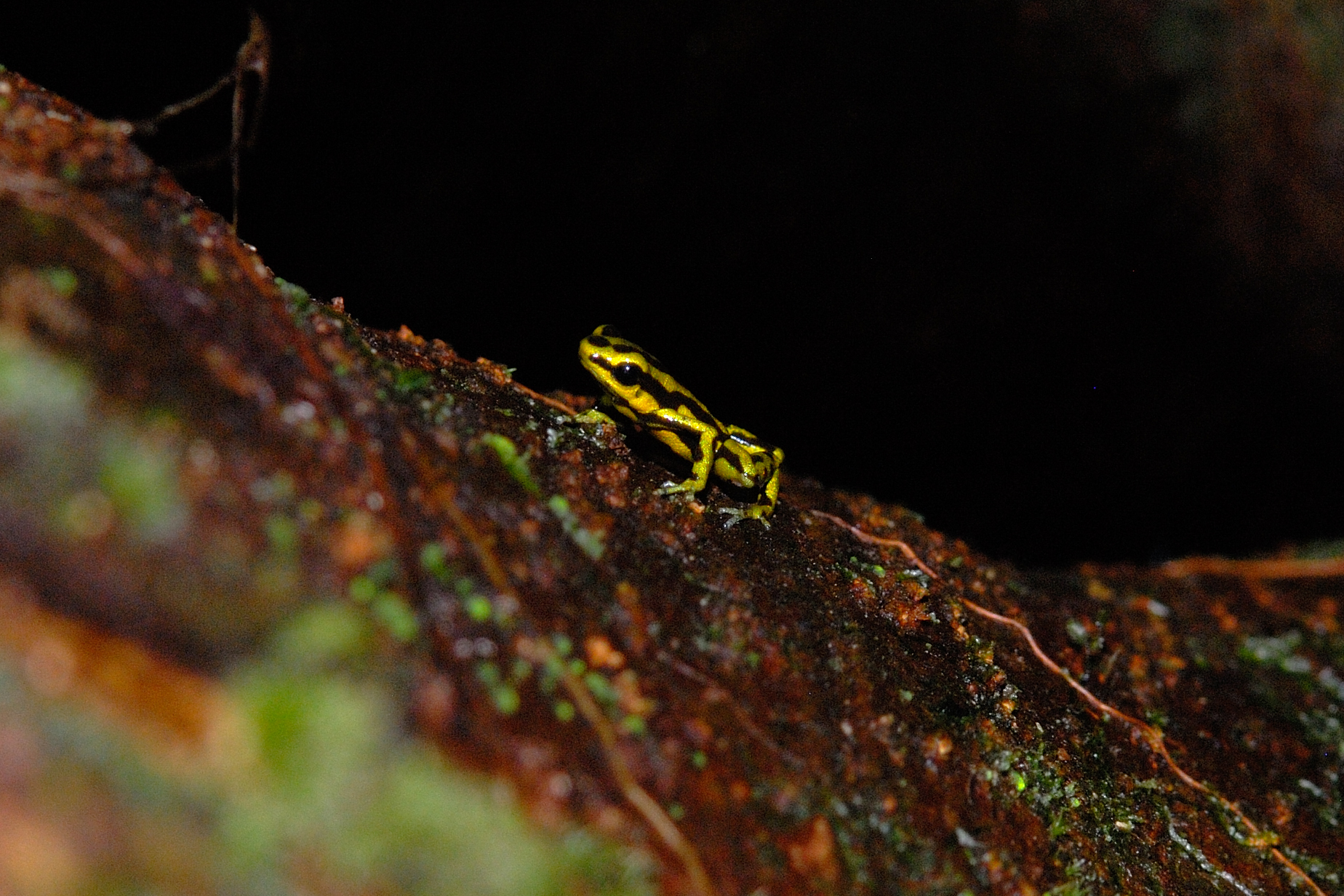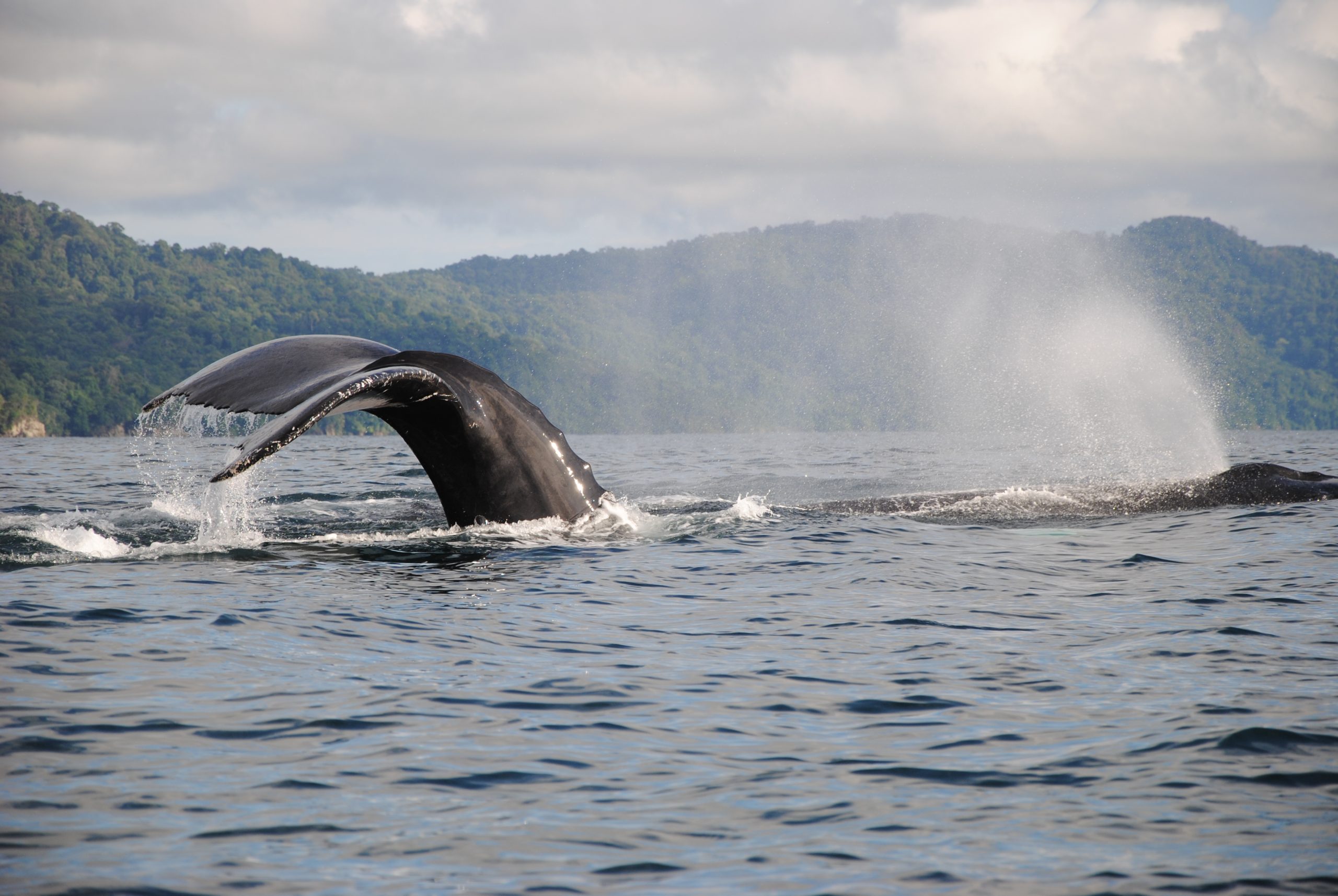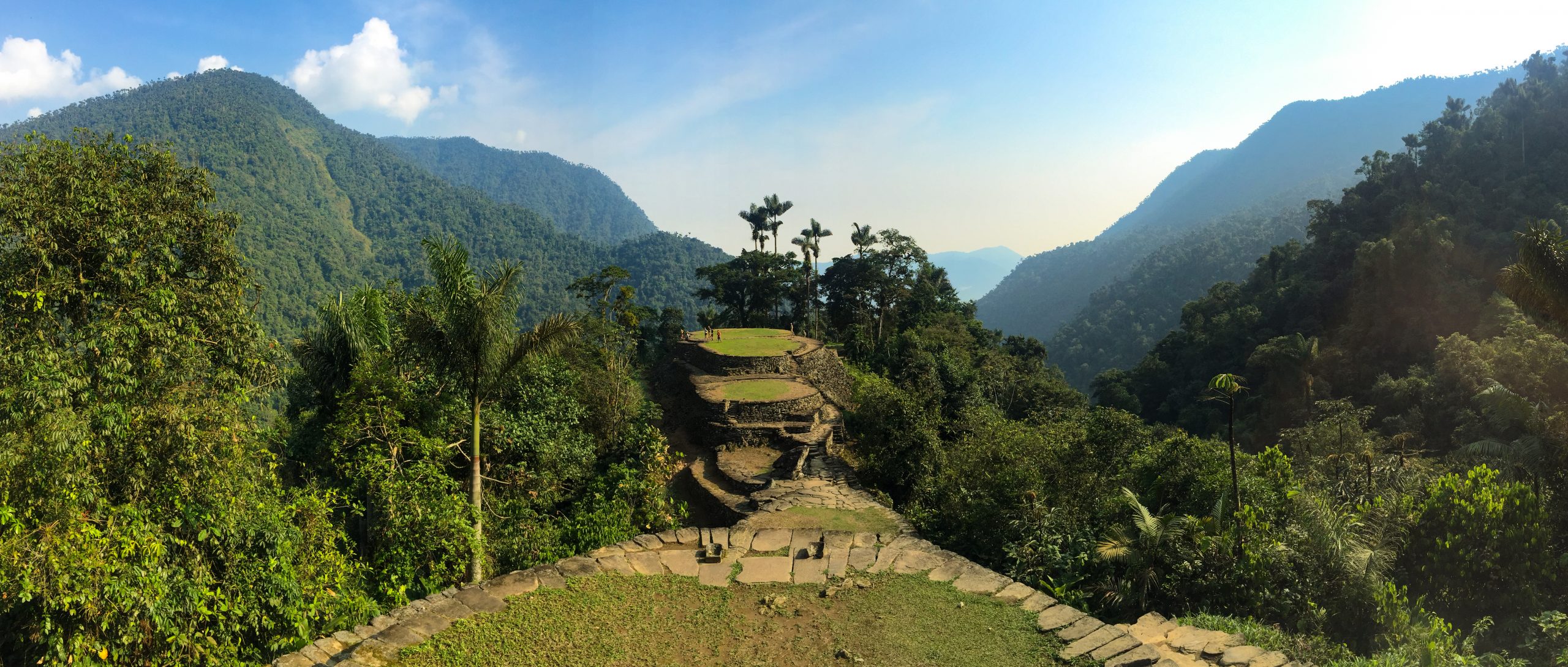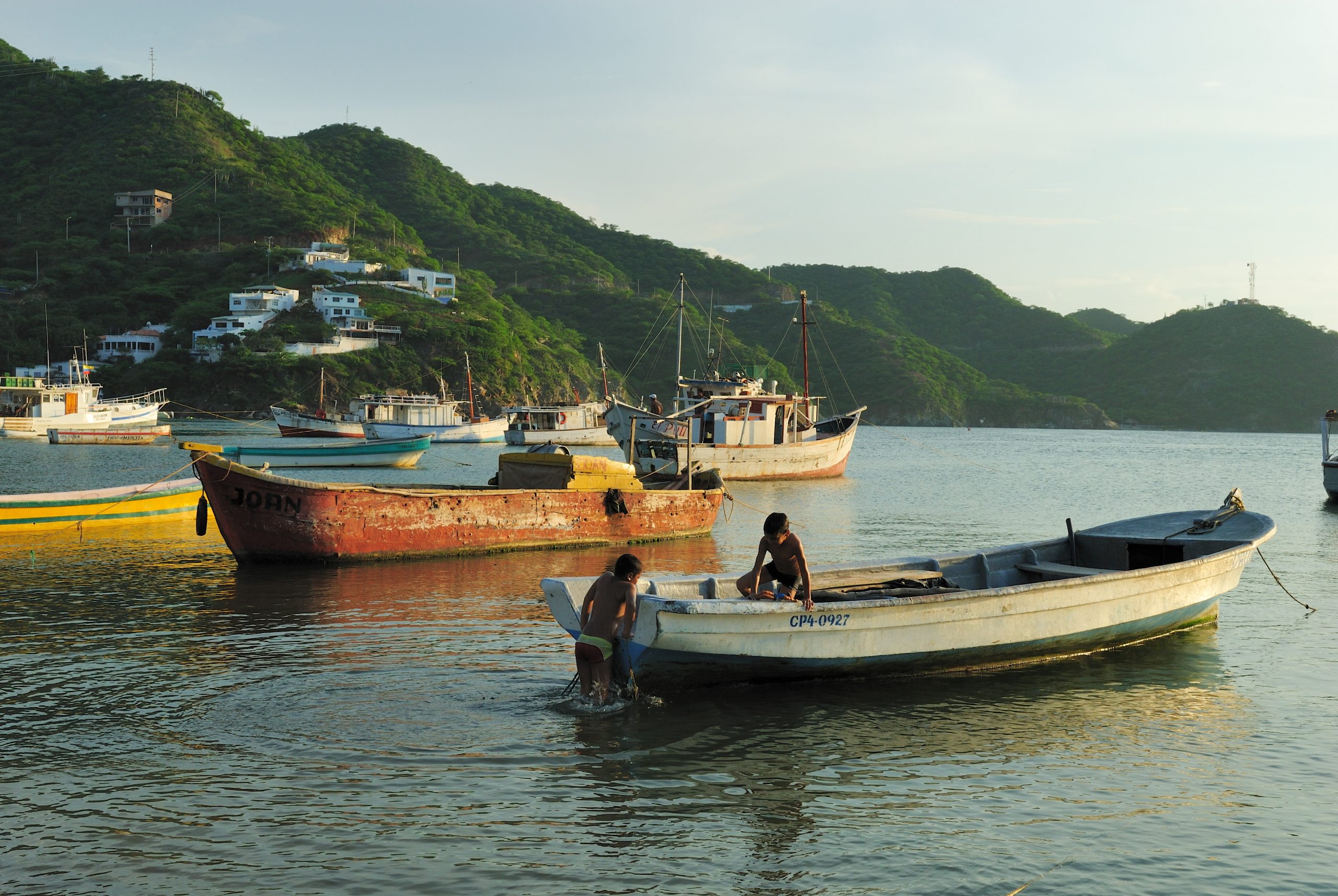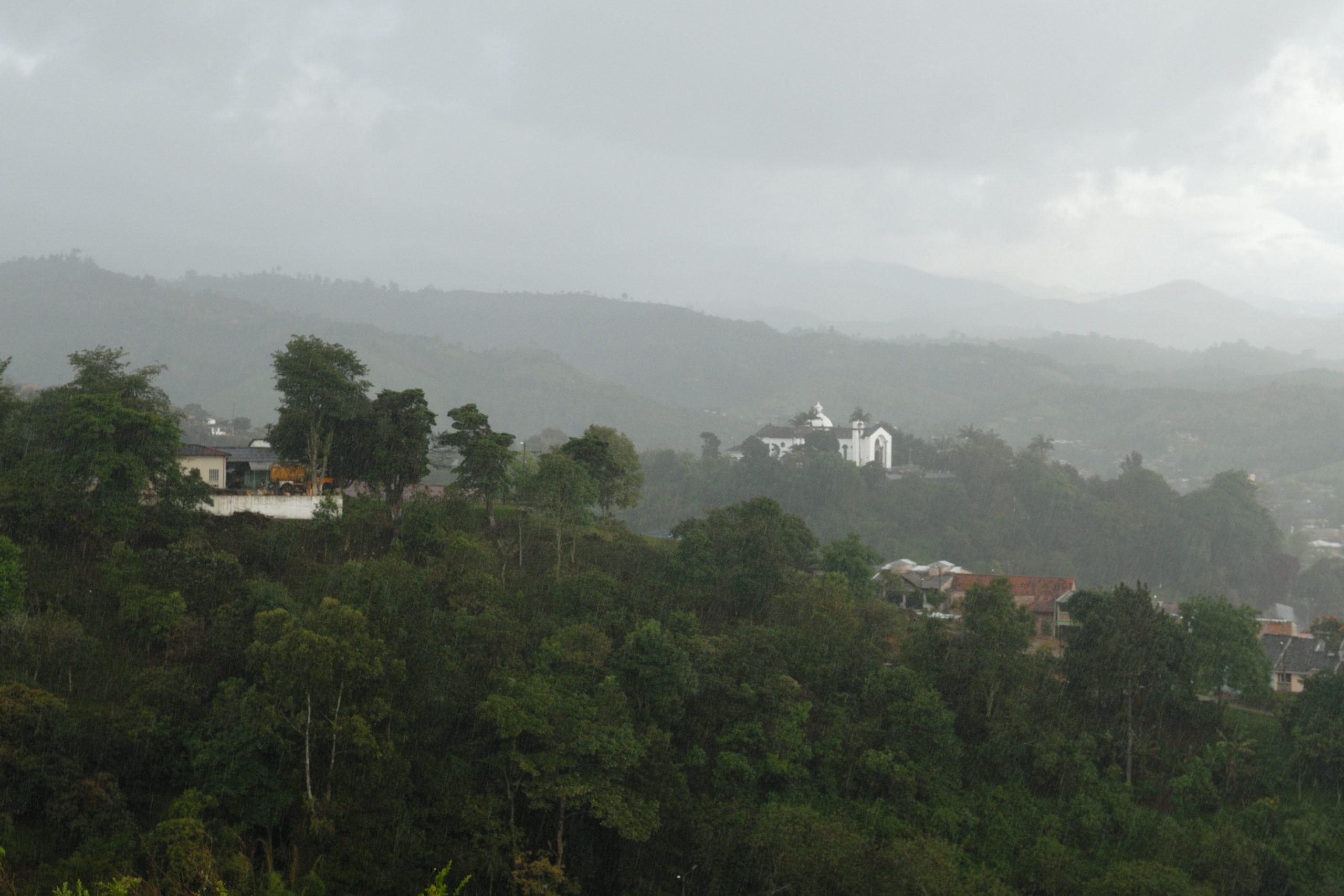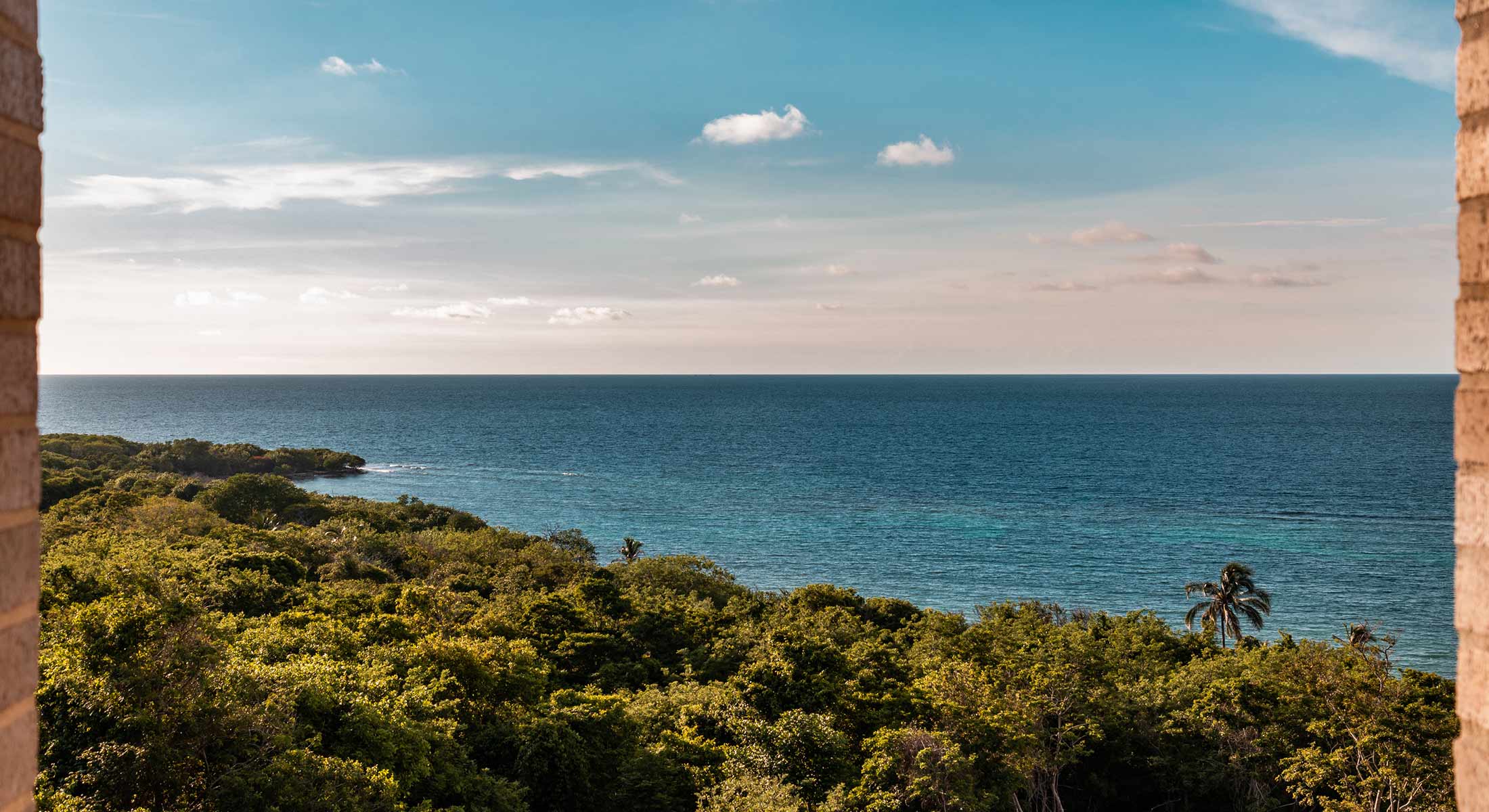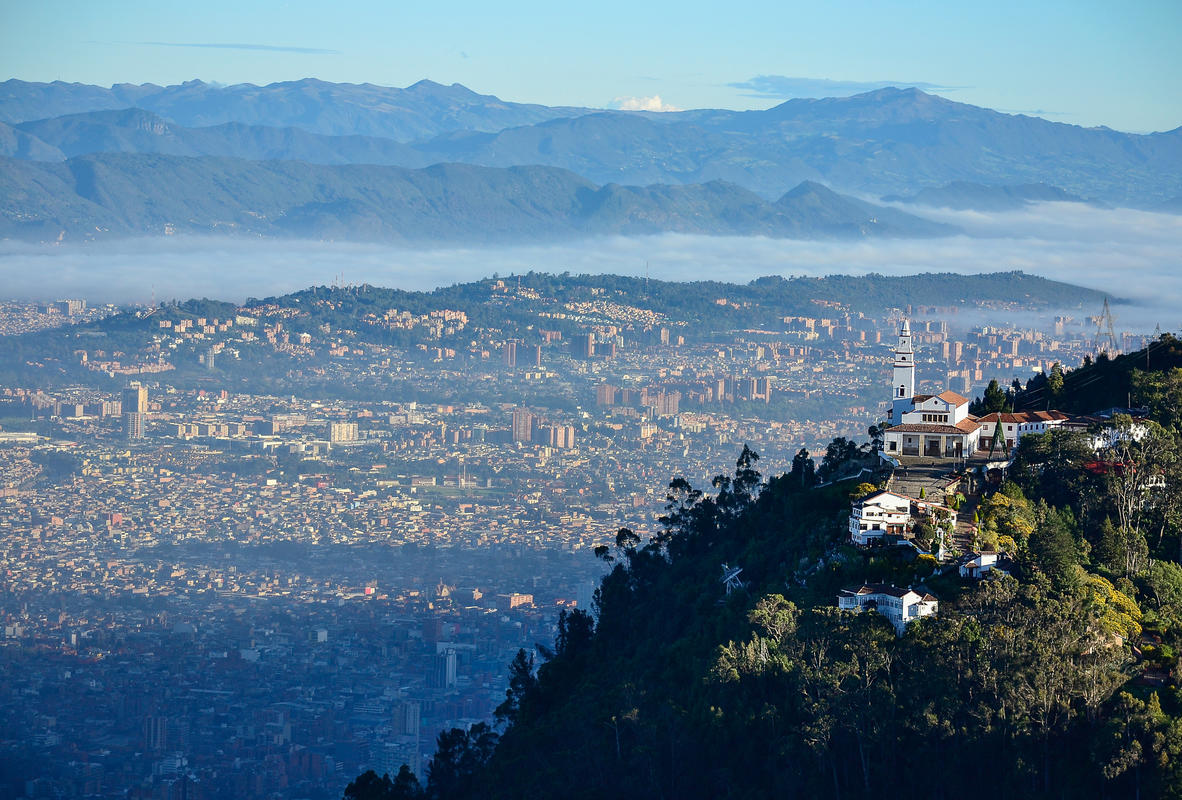
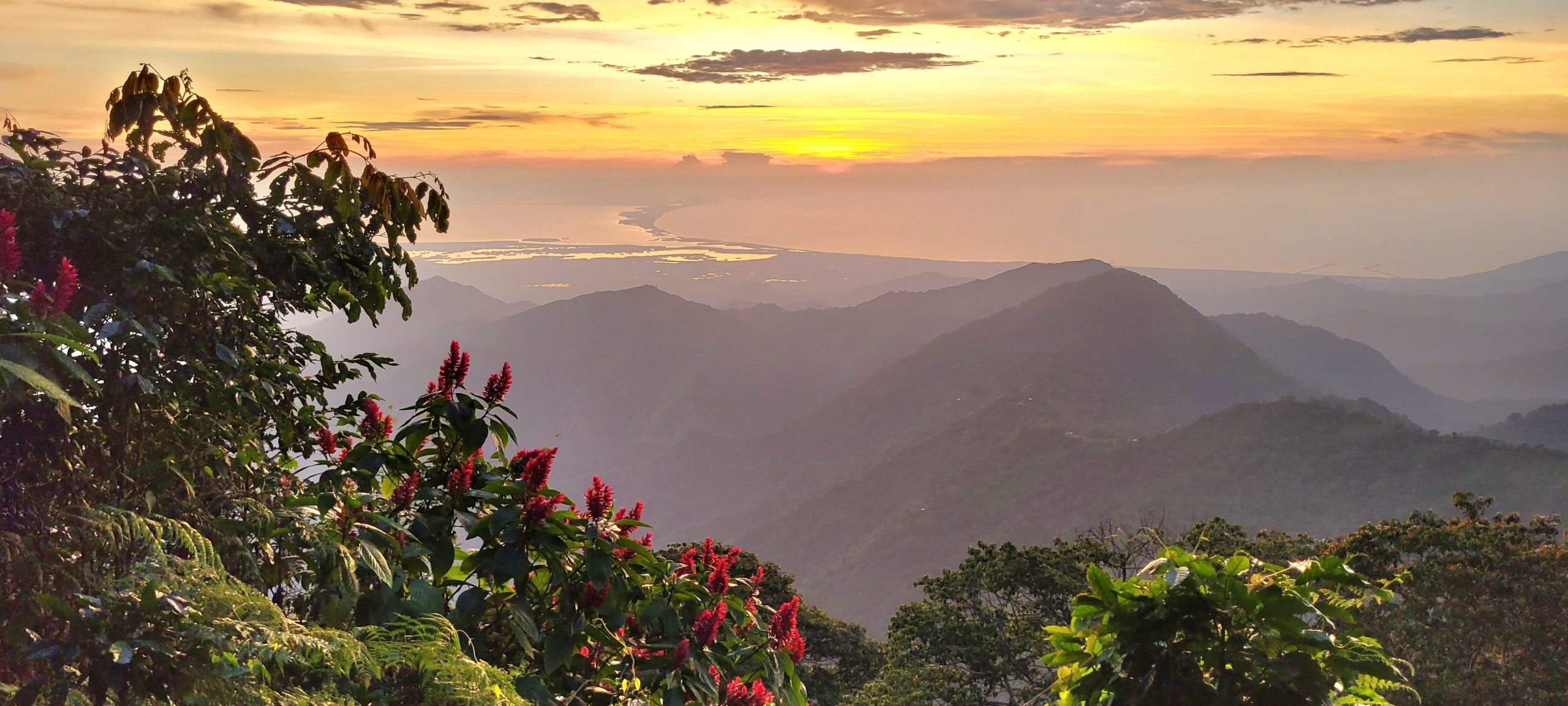
View at Cienaga de Santa Marta from Sierra Nevada de Santa Marta

Travel Advice | Colombia

Toggle section content visibility

For those seeking something beyond the ordinary, Colombia offers a truly unforgettable journey. It combines authentic experiences, vibrant cultures, and remarkable landscapes. From the Caribbean coast to the Pacific shores, every region has something unique to discover.

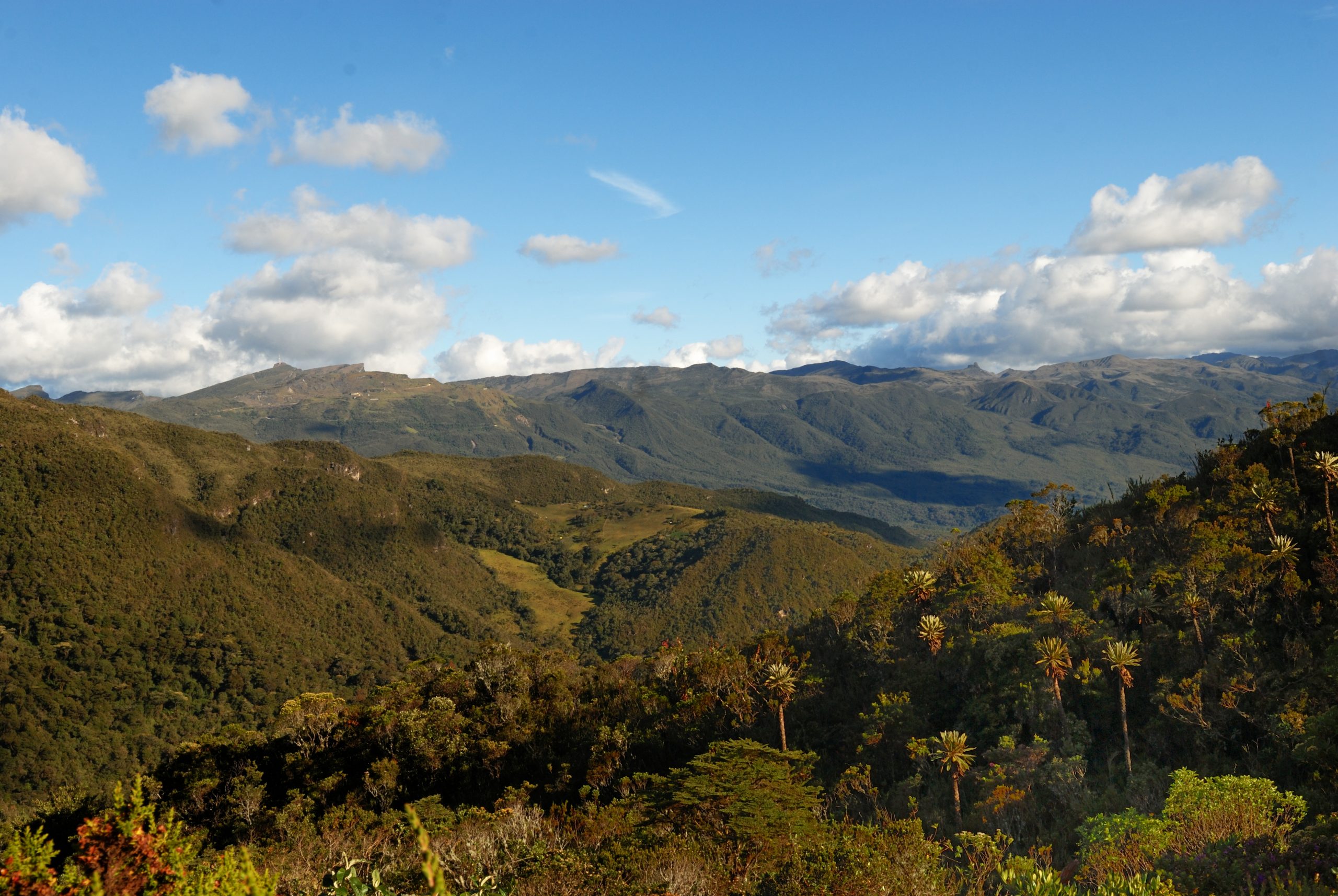
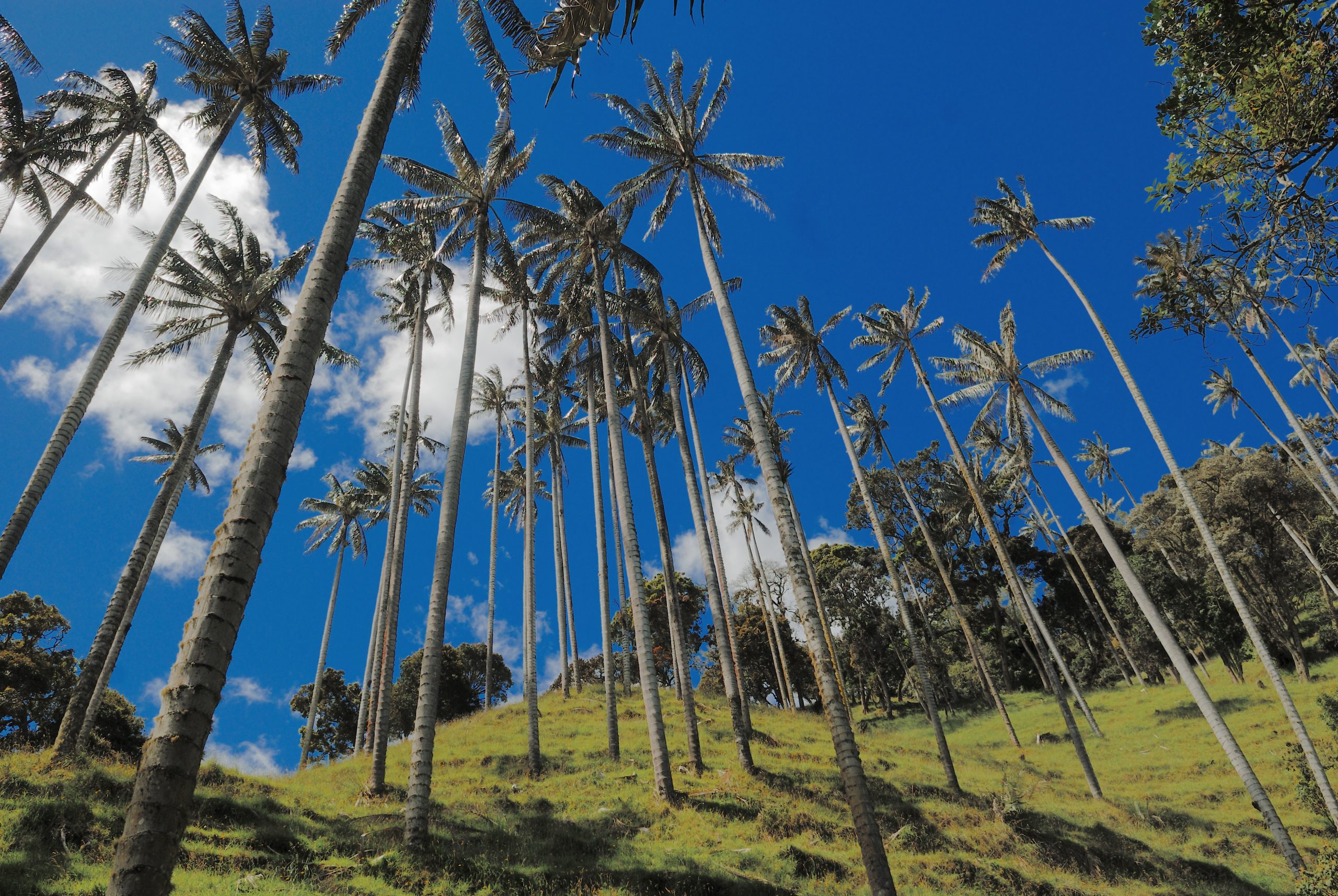
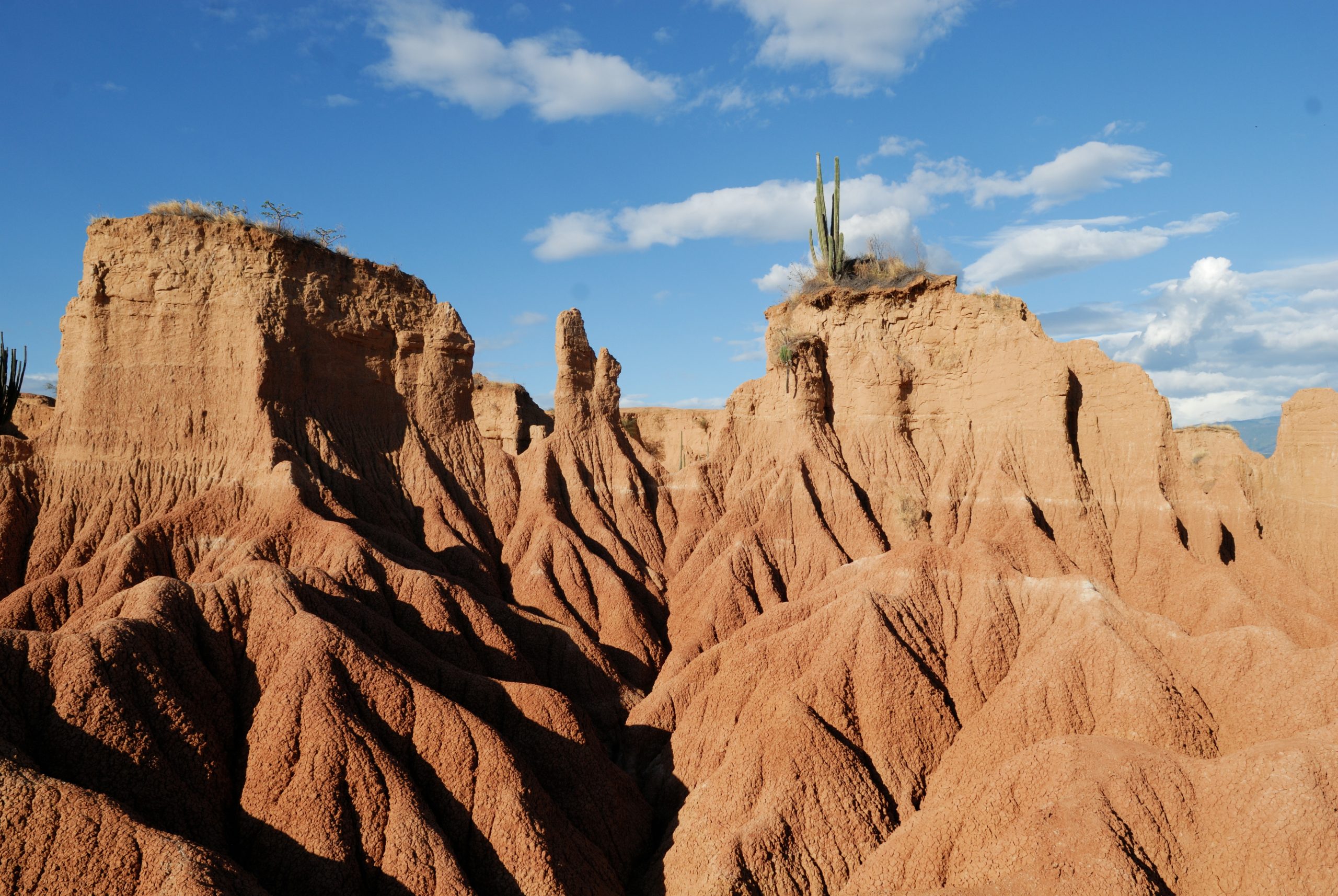
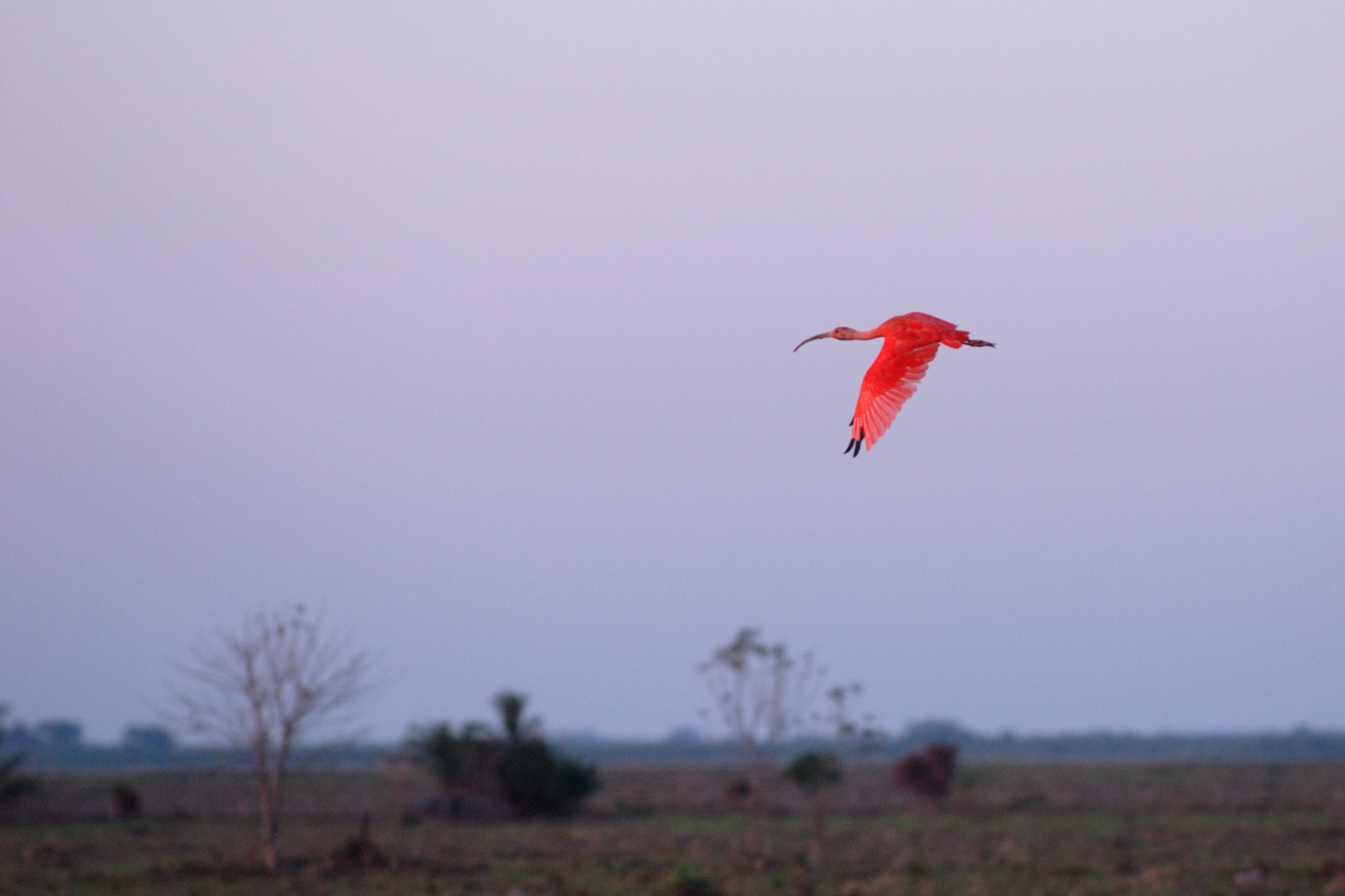
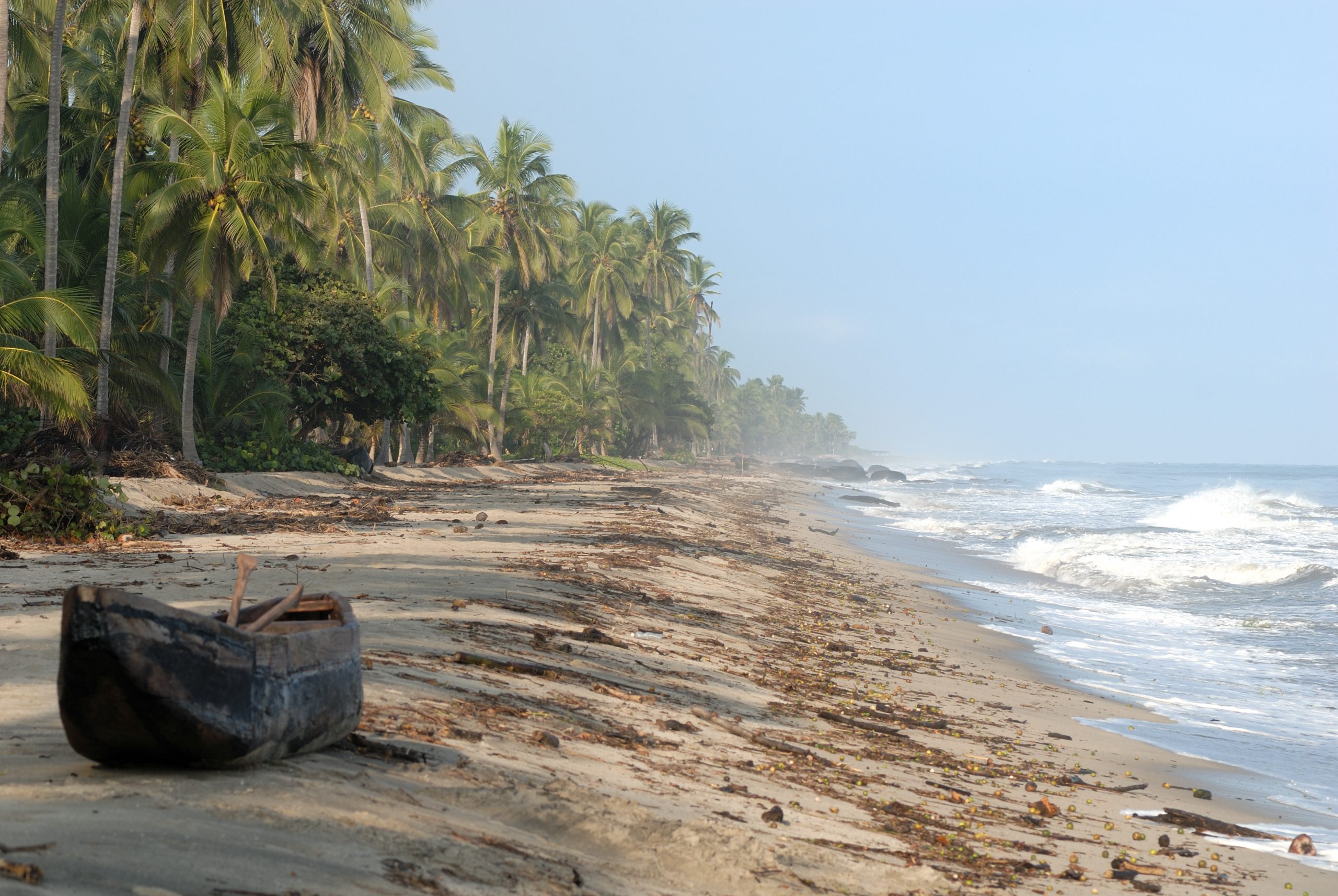
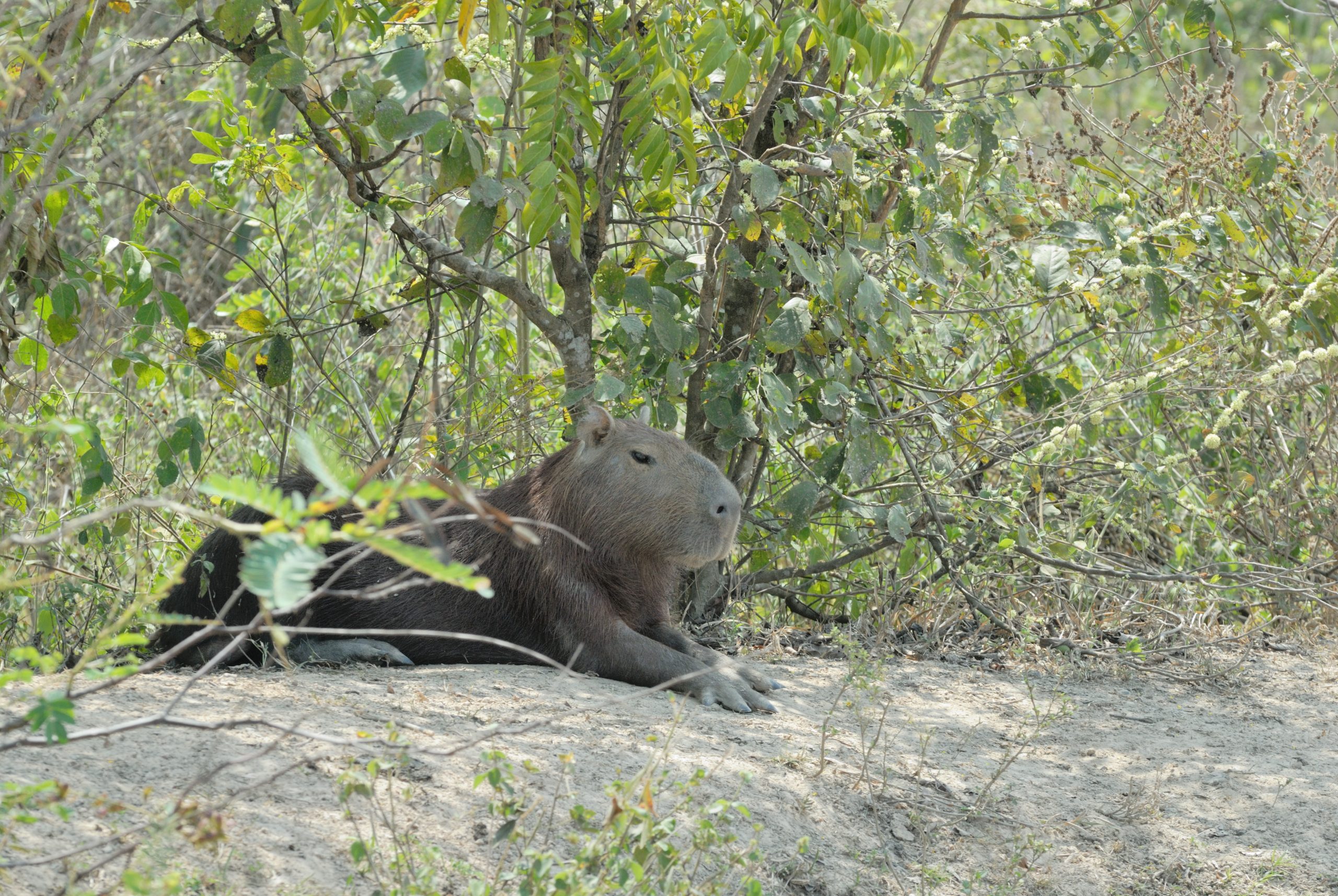
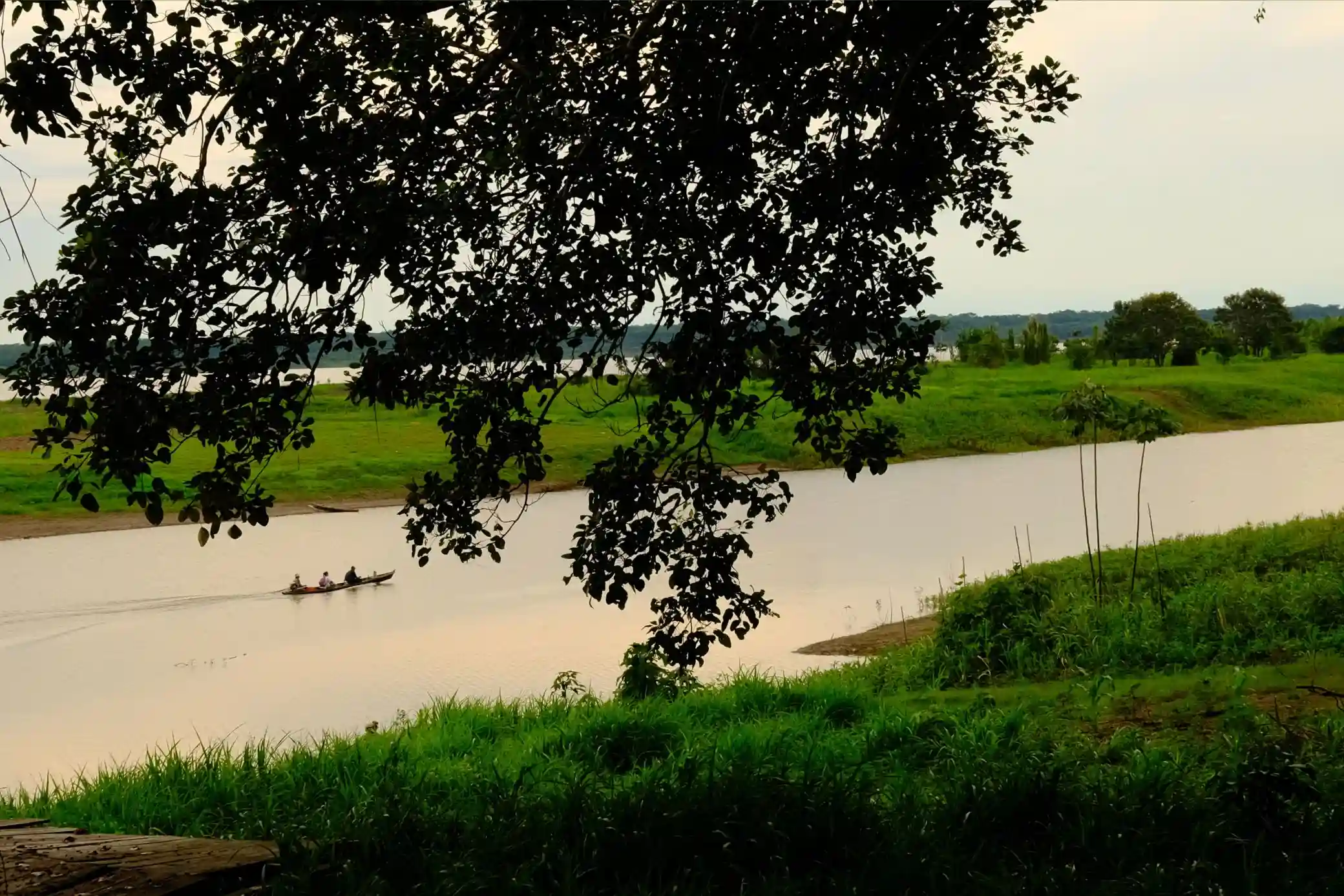
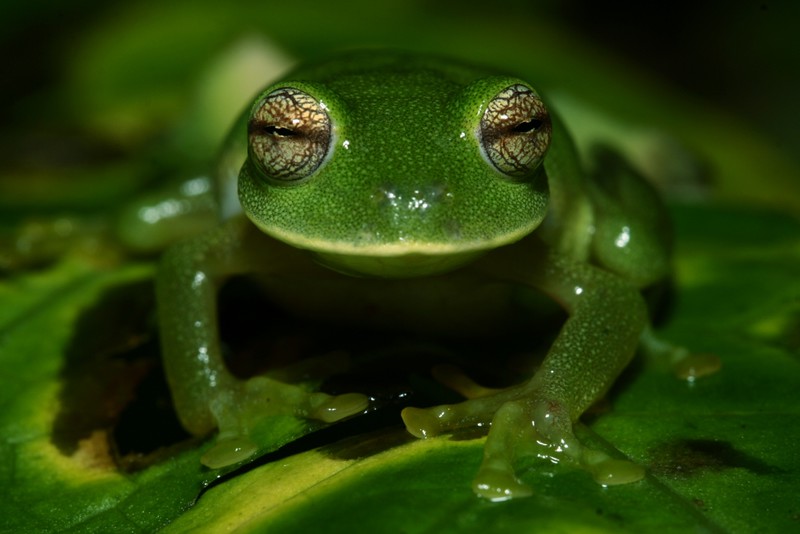
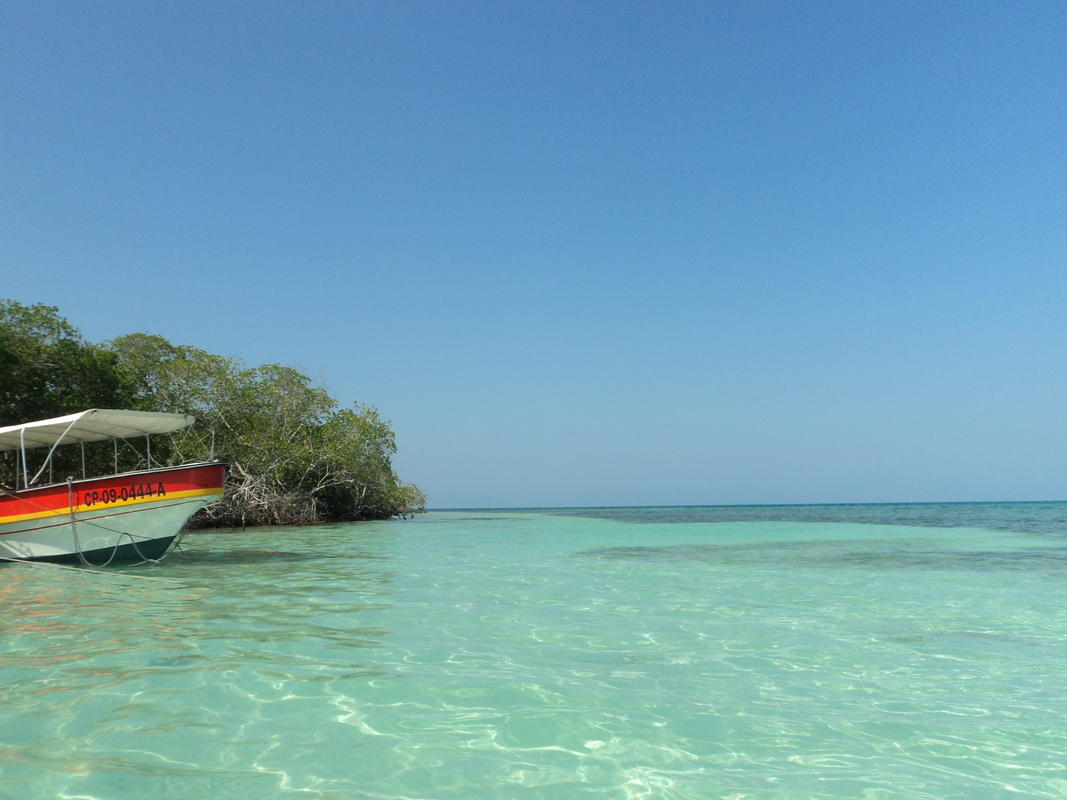
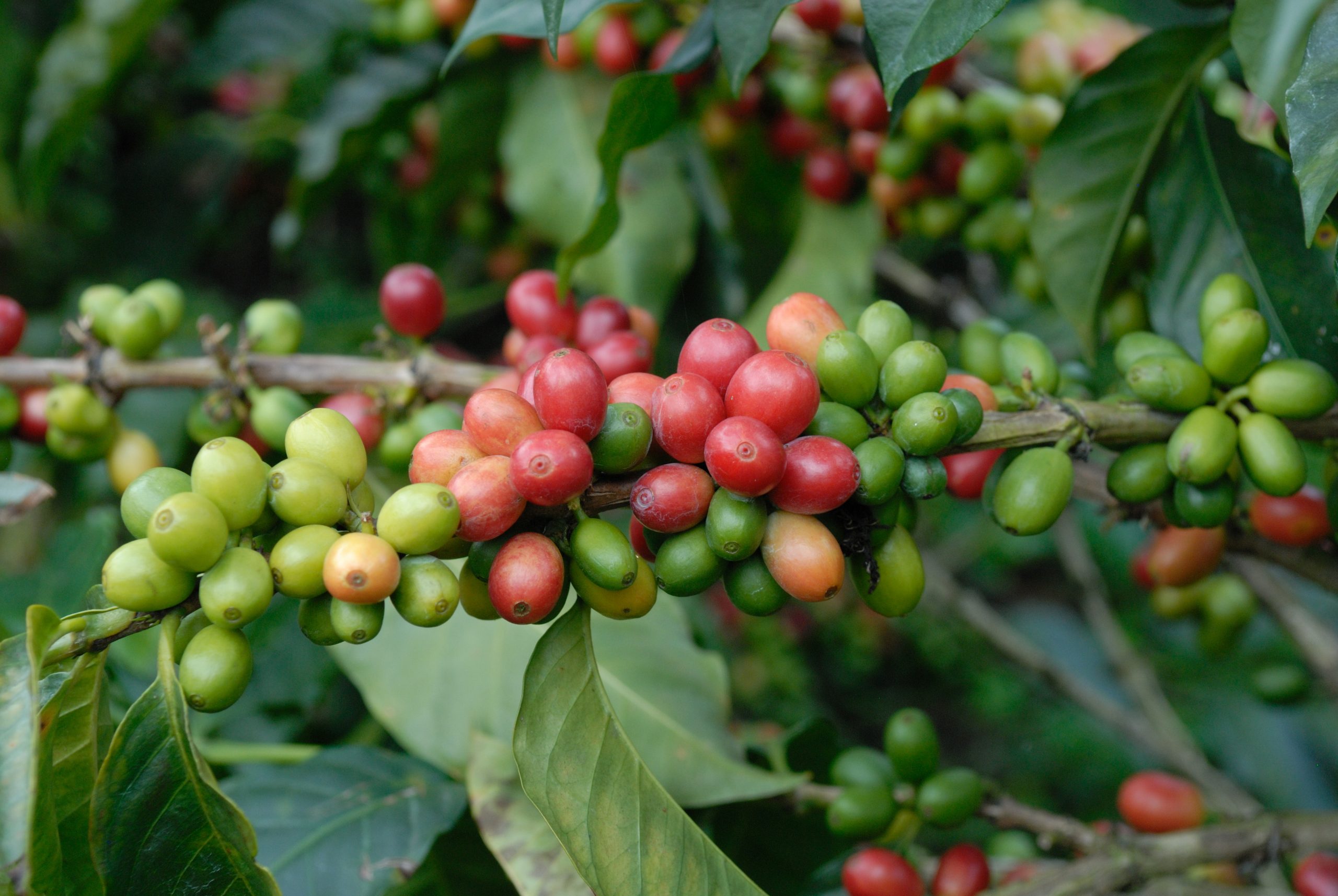
Colombia is a country of striking contrasts. It is the only country in South America with coastlines on both the Caribbean Sea and the Pacific Ocean. As a result, travellers can experience an incredible range of landscapes. Relax on sun-drenched beaches, explore lush tropical jungles, or hike through misty cloud forests. Further inland, the Andes rise towards snow-capped peaks and high mountain valleys.

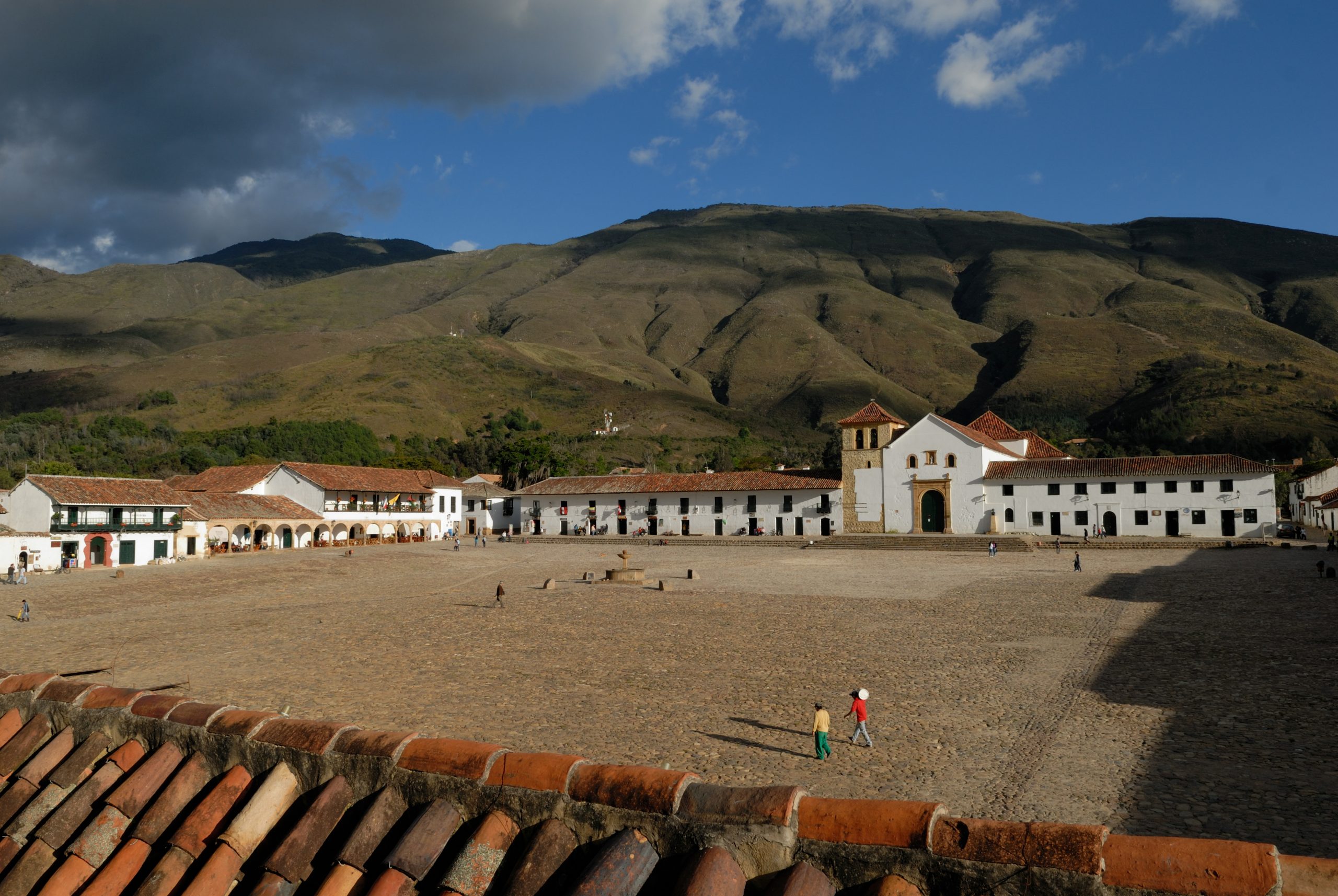
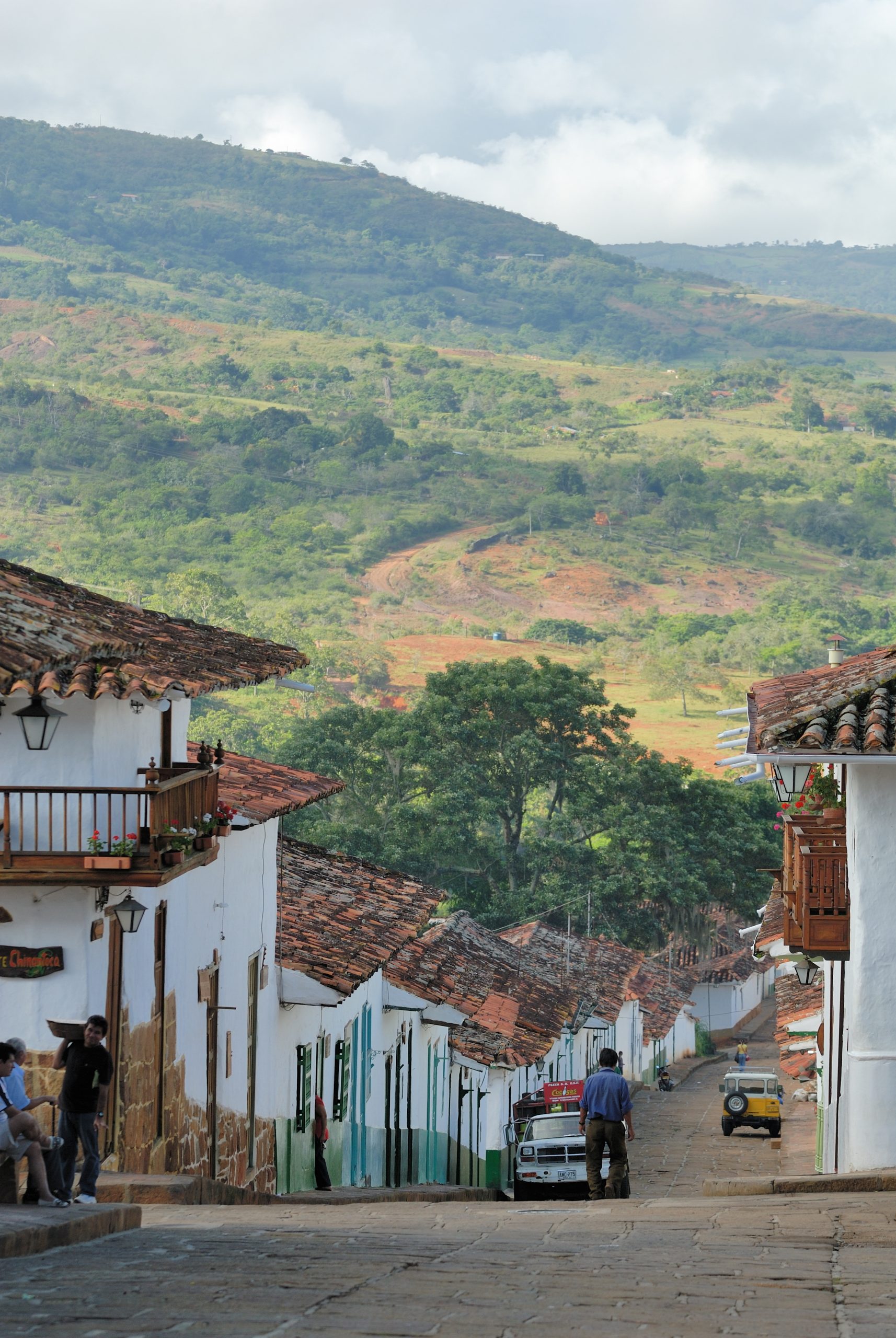
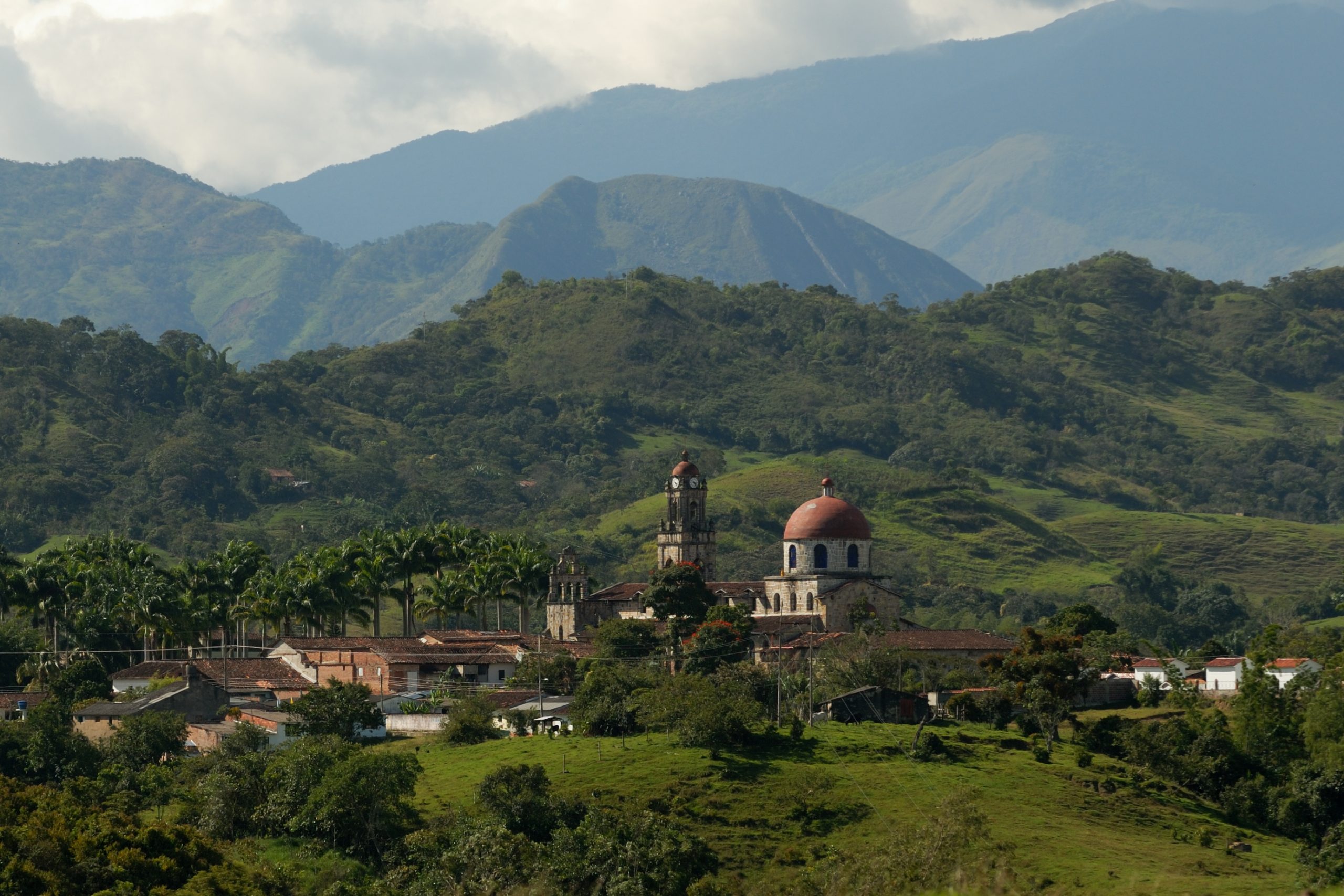
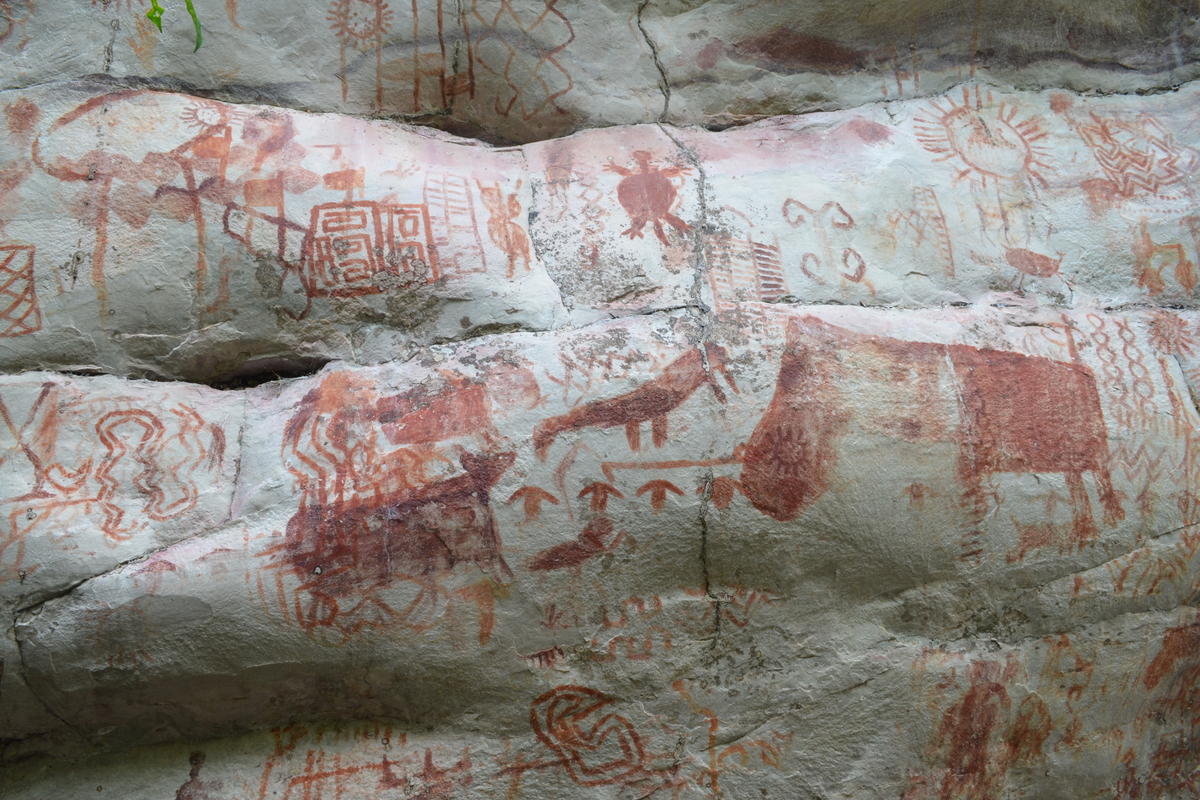
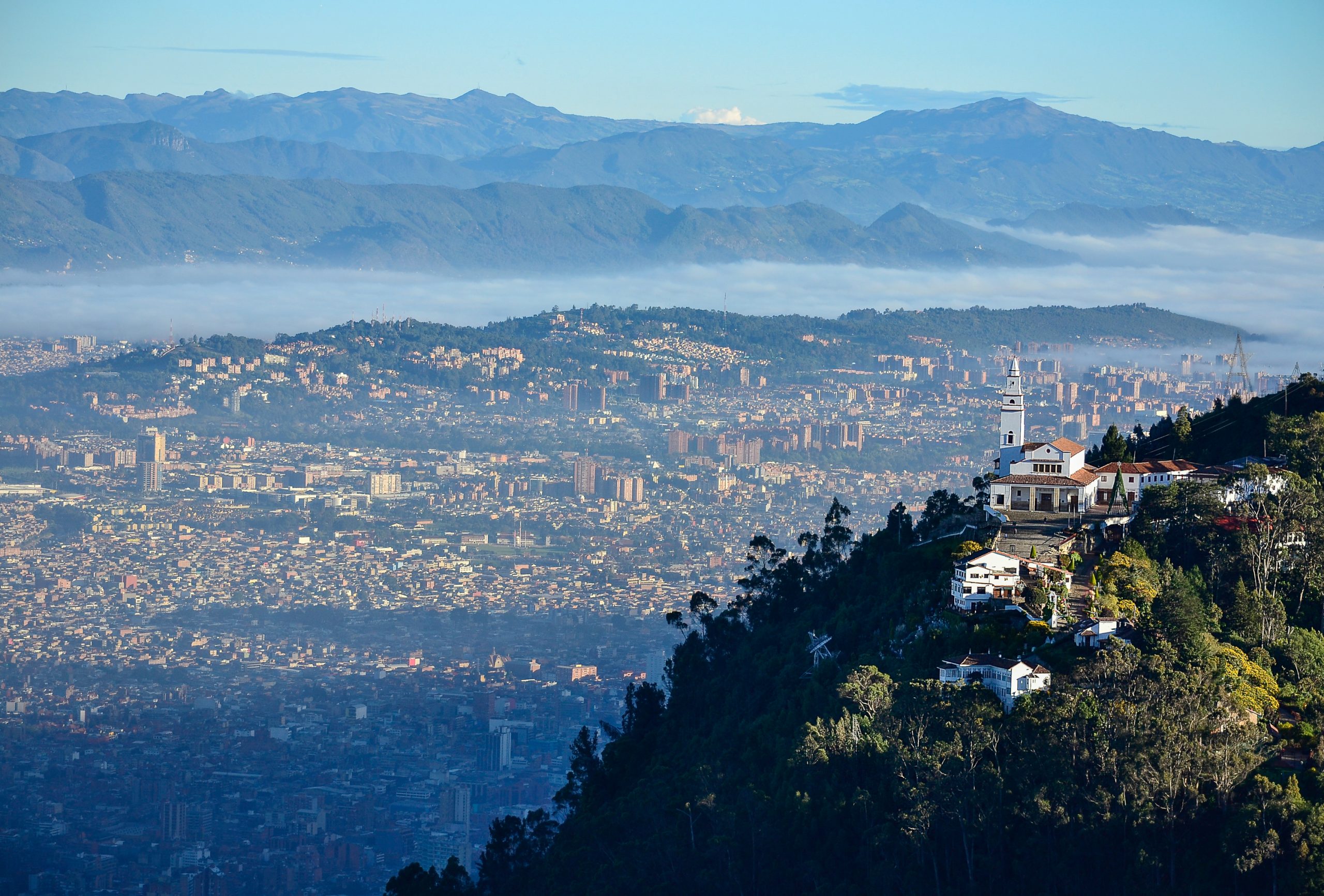
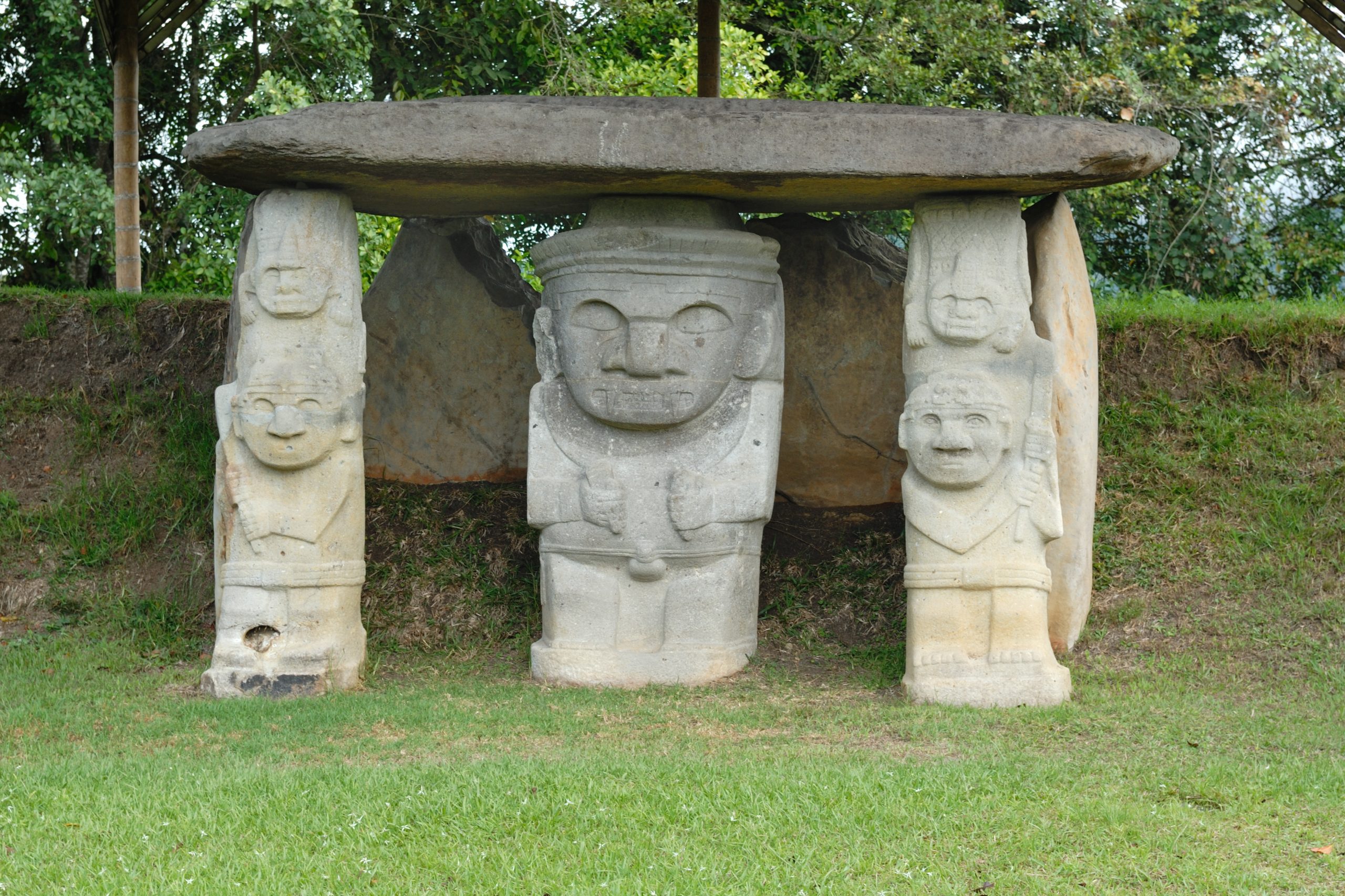
Beyond its natural beauty, Colombia offers a rich cultural heritage. Caribbean cities pulse with music and energy, while charming colonial towns showcase the country’s history and architecture. Ancient archaeological sites tell stories that reach back centuries. Meanwhile, modern cities bring together Spanish, African, European, and Middle Eastern influences. You can see this cultural mix in the country’s cuisine, architecture, music, and traditions.

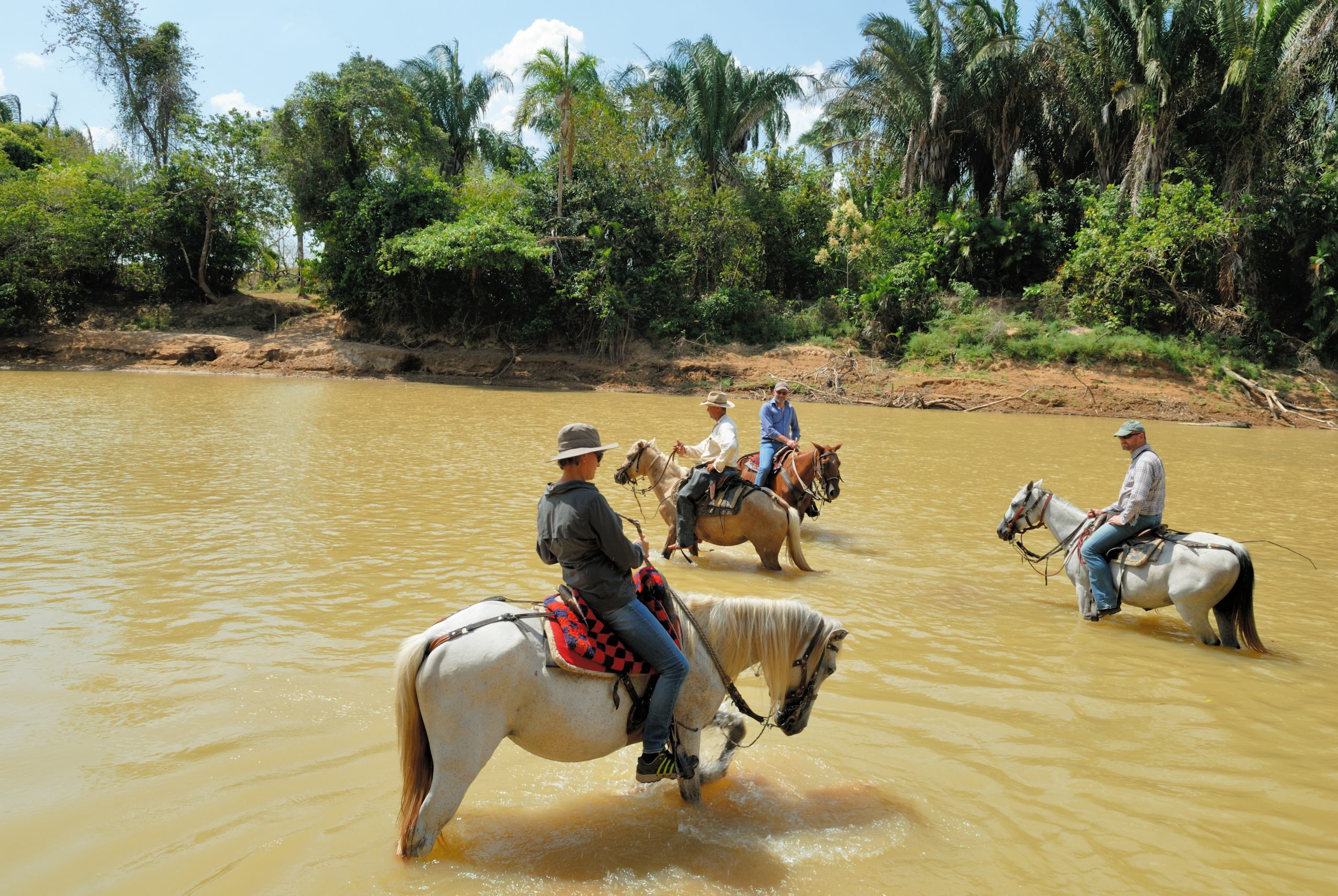
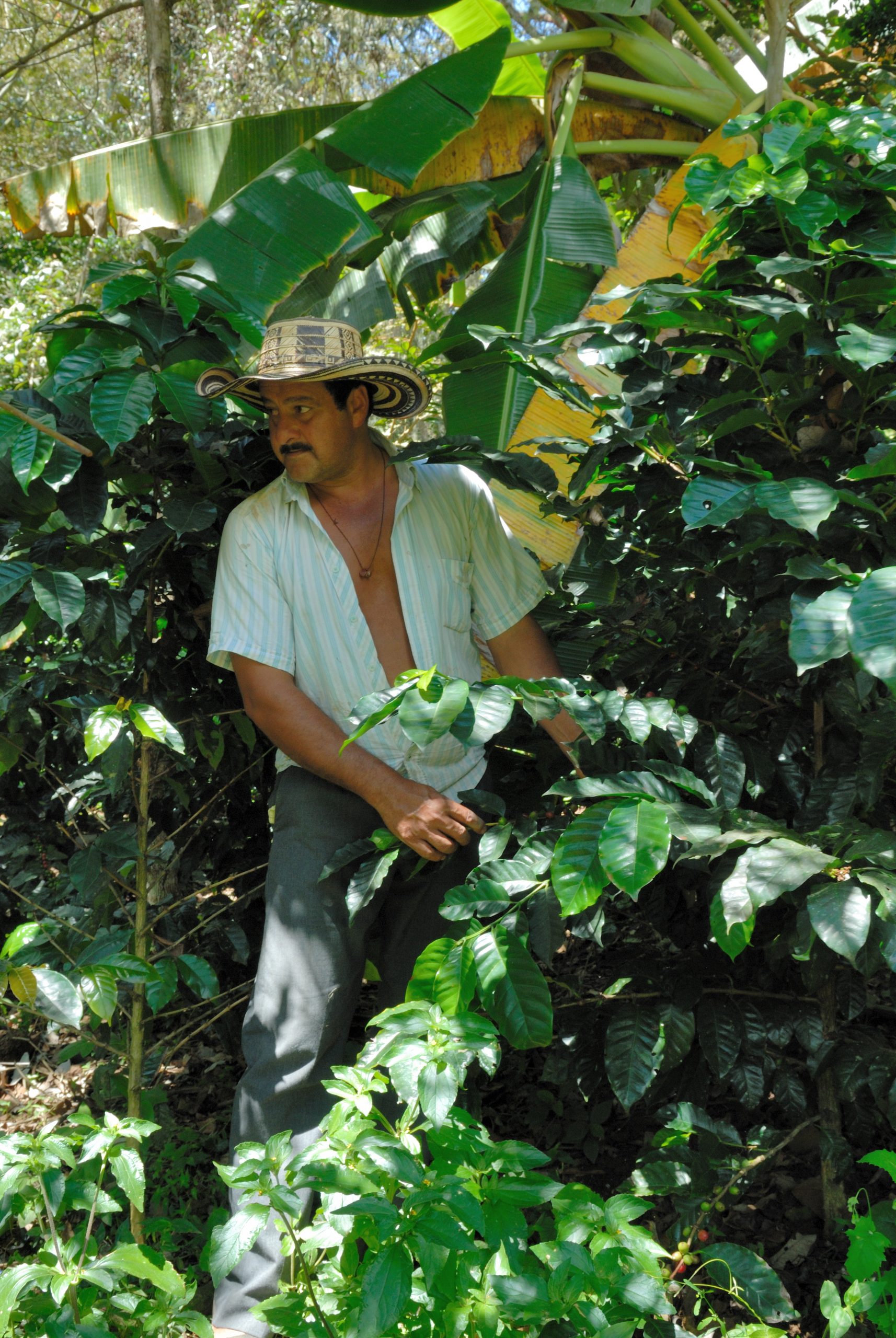
Most importantly, Colombia is a country you can connect with. Warm and welcoming communities make visitors feel at home. Local experiences often create personal connections that last long after the journey ends. Whether you taste world-class coffee at its source, explore hidden natural wonders, or discover the stories behind Colombia’s cities, each experience adds something special to your journey.

Colombia invites you to do more than simply visit. It encourages you to explore, connect, and experience the country at your own pace.
Read more: Travel Advice | Colombia
Toggle section content visibility

Travel Advice


Banking

Currency, Banking, and ATMs in Colombia The official currency is the Colombian Peso (COP; symbol Col$), divided into 100 centavos. Banknotes come in…

Climate

The climate is very warm and tropical on the coast and in the north, with a rainy season from May to November. Though the temperature varies little throughout…

Cuisine

Health and hygiene standards are relatively high in the cities and tourist areas. However, to enjoy a trouble-free holiday, you should follow a few rules:…

Electricity

Plug Type: Type A, Type B Voltage (V): 110V Frequency Hertz (Hz): 60Hz *A travel plug adapter and voltage converter might be necessary depending on…

Dress

In general, Colombia calls for light clothing suitable for a mild to warm climate. However, in Bogotá and other high-altitude areas, it can get quite…

Health

Please inform us prior to departure of any existing mobility or health-related limitations so that we can tailor the trip as well as possible to your needs. Basic…

Safety

In general, you should observe the following rules: Do not wear flashy jewelry or watches. Carry important documents in a waist belt if necessary….

Transport

There is an excellent internal air network connecting major cities, including those in the Caribbean coastal area. There are also local helicopter flights….

Visa

All travelers entering or leaving Colombia must complete the Check-Mig online form prior to travel – (https://apps.migracioncolombia.gov.co/pre-registro/)….

Name


Contact Preference
Participants

General

Travel Advisory: United Kingdom: https://www.gov.uk/foreign-travel-advice/colombia USA: https://travel.state.gov/content/travel/en/traveladvisories/traveladvisories/colombia-travel-advisory.html Deutschland: https://www.auswaertiges-amt.de/de/service/laender/kolumbien-node/kolumbiensicherheit/201516 Schweiz: https://www.eda.admin.ch/content/eda/de/home/laender-reise-information/kolumbien/reisehinweise-kolumbien.html Österreich: https://www.bmeia.gv.at/reise-services/reiseinformation/land/kolumbien oder Tip: In restaurants, a 10% tip is usually included in the bill, but this is a voluntary amount. So if you were not satisfied at all, you only pay the "net" amount, if you were very satisfied, you can round up. For drivers, 10,000 pesos for a day is reasonable, for a guide between 20,000 and 30,000 for a day. At the hotel, you can give the bellboy 2,000 pesos per piece of luggage. Time zone: Colombia is 6 hours behind Central European Time (CET), 7 hours behind Central European Summer Time (CEST). Sustainability We support sustainable tourism and provide services adhering to the following guidelines: Priority on selection of suppliers whose sustainability policies are certified by a recognized label or credibly follow sustainability policies.

  • We respect, take care of and promote Colombia’s cultural heritage and customs.
  • We hire people under fair and legal standards without any kind of discrimination.
  • We strictly condemn sexual exploitation of children and teenagers therefore we prevent and report any fact that we suspect to be related to such activities.

For further details, we are pleased to share with you our Sustainability and Social Responsibility Policy and our commitment to it. Emergency protocol https://wetu.com/Resources/Operators/48572/emergency_protocol.pdf

Banking

Currency, Banking, and ATMs in Colombia

The official currency is the Colombian Peso (COP; symbol Col$), divided into 100 centavos. Banknotes come in Col$100,000, 50,000, 20,000, 10,000, 5,000, and 2,000 denominations, while coins are Col$1,000, 500, 200, 100, and 50. US dollars are sometimes accepted, but paying with dollars may make you appear as a wealthy tourist, and prices can increase. There is also a significant circulation of counterfeit US dollars, so it is safest to request change in Colombian Pesos. The import and export of local and foreign currencies is unlimited, but amounts exceeding the equivalent of US$10,000 must be declared.

ATMs are the easiest and cheapest way to obtain Colombian Pesos. Travelers are advised to use ATMs during the daytime, preferably inside banks or shopping centers, and to take standard precautions such as not allowing anyone to look over your shoulder. ATMs may run out of cash, malfunction, or fail to accept certain cards, especially in smaller towns or rural areas, so carry enough cash when traveling outside main cities.

Foreign cash (USD and EUR) can be exchanged at hotels, banks, and official exchange offices, though commissions may apply. Street exchanges are strongly discouraged, particularly at border towns like Ipiales. The US Dollar is generally the easiest foreign currency to exchange. Always double-check calculations yourself when exchanging money.

Banking hours are Monday to Friday, 09:00–15:00, with early closing at 12:00 on the last business day of each month. Visa and MasterCard are widely accepted, while American Express and Diners Club are less common. Many ATMs support Visa, MasterCard, and Cirrus. Travelers should inform their bank before traveling to Colombia to avoid frozen accounts and know the emergency numbers to cancel cards in case of theft.

Climate

The climate is very warm and tropical on the coast and in the north, with a rainy season from May to November. Though the temperature varies little throughout the year due to Colombia’s proximity to the equator, it does vary according to altitude. It is cooler in the upland areas and cold in the mountains, and in the cooler times of the year the nights can be freezing. Bogotá is always spring-like, with cool days and crisp nights, though when the sun is shining the days can get quite hot. The Amazon region generally stays warm and wet year round.

Daily temperatures are approximately:

  • Lowlands, coasts, Amazon (up to ~500 m / 1,640 ft): 30°C (86°F)
  • Cali and Coffee Region (~1,500 m / 4,920 ft): 26°C (79°F)
  • Medellín, Coffee Region, and San Agustín (~1,500 m / 4,920 ft): 23°C (73°F)
  • Bogotá (~2,500 m / 8,200 ft): 18°C (64°F)
  • Páramo, highlands (~3,500 m / 11,500 ft): 10°C (50°F)

There are no significant seasonal temperature fluctuations throughout the year.

Rain is more frequent in April and May and from October to December, usually as short but intense thunderstorms. In the other months, rain is less common, though a brief shower is always possible. Longer dry periods are rare.

Co2 footprint

To compensate simply click on this link:

https://co2.myclimate.org/en/flight_calculators/new

Why?

Every flight trip damages the climate. However, we don't want you to live without traveling. Of course, you don't have to fly from Berlin to Munich, much better to reduce emissions and to spend this journey relaxed on the train. But if you want to go to another continent to discover the world, it is quite certain that you will get on a plane because there is currently no more climate-friendly alternative.

Therefore, we are happy if you compensate your flight, whether due to flight shame or out of your own pure understanding and responsibility.

The climate protection organization myclimate offers you the opportunity to calculate exactly how much CO2 emissions you cause on your flight and to compensate for this emission.

This will not reduce CO2 emissions, but your donation will finance projects that reduce the effects of climate change or CO2 emissions elsewhere.

Cuisine

Health and hygiene standards are relatively high in the cities and tourist areas. However, to enjoy a trouble-free holiday, you should follow a few rules: drink only water from sealed bottles, eat only thoroughly cooked or fried food, and avoid unpeeled fruit and salads. These restrictions do not apply to food and beverages in good hotels and restaurants.

A main course in an average restaurant costs around EUR 8–10, while in upscale restaurants a main course can cost up to EUR 20. A fruit juice costs about EUR 1.50, a Coca-Cola around EUR 1.20, and a beer about EUR 1.80. Food is cheaper in rural areas. For a dinner with a starter, main course, coffee and a drink (excluding wine), you should expect to pay around EUR 20 per person including tip.

Food and water safety: 

Can you drink the tap water: No
Fresh fruit and veg: Yes
Ice: Yes
Meat: Yes
Street food: Yes

Local cuisine:

Colombian cuisine is diverse, with influences from Spanish, Indigenous, and African cultures. Staples include arepas (corn cakes), bandeja paisa (a hearty platter), and sancocho (a hearty soup). Coffee is a significant part of Colombian culture. Notable local drinks include aguardiente (an anise-flavoured liquor) and Colombian rum.

Here you can find a list of recommended restaurants throughout Colombia: https://tour.kontour-travel.com/Rack/View/Catalogue/18083

Tipping: 10%

Electricity

Plug Type: Type A, Type B
Voltage (V): 110V
Frequency Hertz (Hz): 60Hz

*A travel plug adapter and voltage converter might be necessary depending on your appliances.

Dress

In general, Colombia calls for light clothing suitable for a mild to warm climate. However, in Bogotá and other high-altitude areas, it can get quite cold at night and even during the day in shaded areas—especially during the cooler times of the year. For this, you should bring at least a sweater and warm trousers, and ideally a jacket.

If you plan to go hiking, you’ll need good boots for the colder mountainous regions, as well as comfortable walking sandals for the Coffee Region, allowing your feet to breathe while still providing support. For the Amazon Basin, very light clothing is recommended, but it’s a good idea to have long sleeves and trousers for the evenings to avoid mosquito bites. During the rainy season, bring something waterproof, such as a light jacket, to protect yourself from sudden downpours.

PACKING LIST

Clothing 

Warm jumper

Fleece jacket (in Bogotá or in the mountains it gets colder in the evening)

Rain jacket

Long trousers made of sturdy fabric

Short trousers

Long-sleeved shirts

Short-sleeved shirts and T-shirts

Hat or cap against the sun

Sturdy shoes, hiking boots

Sandals

Swim wear

Rain jacket


Body care/health

Shower gel / shampoo / toothpaste

Personal cosmetics and toiletries

First-aid kit (diarrhoea medication, aspirin, wound ointment, plasters)

Insect repellent

Sunscreen (at least factor 25, more is better for the face)


Other stuff

Passport

Plane tickets

Cash (you can exchange money directly at the airport or withdraw it from the ATMs)

Credit and/or EC card (Maestro)

Vaccination certificate (Covid 19, yellow fever and tetanus)

Copies of all documents and credit cards

Mail copies of all documents and credit cards to yourself

Mobile phone + charger

Camera + charger for batteries + memory cards

Adapter for flat plug 110V

Binoculars

Small backpack for possible short trips

Pocket knife

Sunglasses

For trekking in the high mountains

Sleeping bag (up to approx. -10°C / -5°C) (will be provided)

Headlamp / torch

Walking sticks (can be borrowed)

Drinking bottle

Gloves

Hat

Backpack (approx. 40 l)

small towel


For rainforest tours (expect everything to get wet)

shirts and trousers with long sleeves/legs

(no jeans, preferably quick-drying synthetic fibre)

T-shirts, shorts

Swim wear/swimsuit

Towel (e.g. microfibre, quick-drying)

Headgear

Robust jogging shoes

Sandals/flip-flops

Sweatshirt/fleece jumper for nights

Light sleeping bag/light woollen blanket

Headlamp/torch

Light backpack

Rain cover

Metal drinking bottle (1 litre)

Yellow fever vaccination (take vaccination certificate with you)

Sunscreen Insect repellent Personal first-aid kit

Sweets/snacks for the road

Plastic bags to pack clothes in your backpack

Refillable water bottles

Some cash (neither in Guainía nor in the Amazon is card payment possible, yellow fever and tetanus vaccination. The vaccination certificate must be carried. Towel and toiletries (soap, toothpaste).

Torch (there is electricity only at certain times).

Please note that for the entry to Leticia and Puerto Inírida there is a tourist tax of $ 32,000 (approx. USD 8.00). There are banks and ATMs in Leticia/Puerto Inírida, but not in the communities.


Health

Please inform us prior to departure of any existing mobility or health-related limitations so that we can tailor the trip as well as possible to your needs.

Basic medical care in Colombia for tourists is generally good, accessible and of good quality. In the main cities there are high-level hospitals and clinics with well-trained medical personnel. In rural areas it is more limited and variable as they are mainly health centers for first aid care.  As a general rule, medical services must be paid for immediately on site. Hospitals receive payment by credit card. In rural areas, payment is usually made in cash. For more complex treatments, it is possible to arrange payment through international travel insurance if the hospital has an agreement. It is recommended to have travel insurance with medical coverage including outpatient and inpatient care, medical transfers and tropical diseases.

Recommended Vaccinations 
- Yellow fever. It is an endemic disease in some rural jungle regions below 2,300 meters above sea level, with hot and humid climate such as the Amazon, Orinoquia, Pacific, Sierra Nevada de Santa Marta and Magdalena Medio. For the vaccine, a single dose is sufficient to protect against yellow fever for life, according to the World Health Organization (WHO). Immunity develops 10 days after vaccination. Upon vaccination, the International Certificate of Vaccination against Yellow Fever, recognized by WHO, is issued.
- Hepatitis A and B
- Tetanus-diphtheria (Td or Tdap)
- Typhoid fever

Colombia has several endemic risks such as dengue, chikungunya and zika, which are transmitted by mosquitoes.  Malaria prophylaxis is often associated with side effects and does not offer 100% protection. The alternative is an antimalarial or antimalarial taken immediately after an infection is confirmed. It is recommended to prevent bites by using repellent, long-sleeved clothing, mosquito nets and staying in places with good insect protection.

As a general rule we recommend consuming bottled water, especially in rural or coastal areas and be cautious with street food if you are not used to it. Bring your personal medicine kit and prescriptions.

Consult your doctor before traveling and the pages of Tropical Institutes:
https://www.dtg.org
https://www.swisstph.ch/de/
https://www.meduniwien.ac.at/web/klinik-gesundheit/ambulanzen-services/impfungen-reise-und-tropenmedizin/


Safety

In general, you should observe the following rules:

  • Do not wear flashy jewelry or watches.
  • Carry important documents in a waist belt if necessary. The back pocket is the worst possible place to keep your documents and is an invitation to pickpockets.
  • Dress as inconspicuously as possible.
  • Carry photo or video cameras as inconspicuously as possible (do not carry cell phones openly on chains etc.).
  • Always order cabs by telephone (or have them ordered); there are cab ranks in shopping centers.
  • If you are unsure whether you can go to a certain area, ask at the hotel.
  • Withdraw money from ATMs, if possible in shopping centers or at the bank.
  • Inform yourself about Colombian laws. For example, contact with drugs or the export of live or dead animals and antiques is strictly prohibited.


Transport

There is an excellent internal air network connecting major cities, including those in the Caribbean coastal area. There are also local helicopter flights. Flights between the mainland and the islands of San Andrés and Providencia operate from most major Colombian cities. The main domestic carriers are Avianca (AV) (www.avianca.com), Latam Colombia (LA) (www.latam.com), ClicAir (VE) (www.clicair.co) and Satena (9R) (www.satena.com).

Airline baggage regulations

SATENA

Checked baggage: 15kg

Hand baggage: 5kg

additional kg according to availability: ca. USD 1,50

AVIANCA

Checked baggage: 23kg

Hand baggage: 10kg

CLICAIR

Checked baggage: 15kg

Hand baggage: 5kg

additional kg according to availability: ca. USD 2,00

LATAM

Checked baggage: 23kg

Carry-on baggage: 10kg

SAN GERMAN

Checked baggage: 10kg

Hand baggage: 3kg

additional kg depending on availability: ca. USD 1,50

VIVA AIR

Checked baggage: 20kg

Hand baggage: 12kg

**Airline baggage allowance may vary depending on ticket class.**

Some areas have no road access, such as the Amazon River border town of Leticia, which must be accessed by air. Other areas have road routes but a flight will be far more expedient and not too expensive; for example, Bogotá to Cartagena is a flight of 1 hour 25 minutes, but the bus journey takes 20 hours. Flights are cheaper when bought well in advance, but are still reasonably priced at short notice.
When booking domestic flights, it is often easiest to go into a travel company office – some domestic airlines don’t accept international credit cards online.
Departure tax for internal flights varies depending on your airline. Some include it in the ticket, others charge separately up to about US$10, but be aware that this situation is ever-changing.

The quality of the roads in Colombia varies massively. The Panamericana (Panamerican Highway) is mostly well paved, but when you start veering off the beaten track the roads get bumpier. Do not go for an exploratory drive into the jungle or areas deemed dangerous by your embassy. Expect landslides in the more mountainous regions during the rainy season (November to February). City driving is chaotic and dangerous.

RENTAL CAR

Handover:

The rental car must be collected in person at one of the authorised rental car centres. Required documents are the following:

  • Passport
  • driving licence
  • Credit Card

A voucher will be taken from your credit card as a deposit for any speeding tickets or uninsured damage.

Insurance:

Your rental car is fully insured.

Damages that are not covered are as follows:

  • Theft of accessories such as: Tyres, radio, speakers, headrests, rear view mirrors, engine, gearbox parts.
  • Damage to windscreens

Pico y Placa:

In Colombia, traffic is reduced in cities by prohibiting cars from driving on certain days depending on the last digit of their number plate.

The respective driving ban varies from city to city, in Bogotá in 2022 it applies at the following times: Monday to Friday - 06:00 to 21:00 driving ban on even days for cars with an even last digit of their licence plate and on odd days for cars with an odd last digit of their licence plate.


Visa

All travelers entering or leaving Colombia must complete the Check-Mig online form prior to travel - (https://apps.migracioncolombia.gov.co/pre-registro/). The form is free of charge and should be submitted between 72 hours and at least 1 hour before departure. It includes personal, passport, flight, and accommodation details. The confirmation must be presented to the airline and immigration authorities upon request. Completion of Check-Mig does not replace visa requirements, which depend on nationality. (Updated on 02.02.2026) A valid passport is required for entry. We recommend making photocopies of ID cards and credit cards and depositing the originals in the hotel safe. You should also deposit your passport there and always carry a copy with you. ID checks may occur when traveling by bus or car. We recommend scanning and emailing copies of IDs and credit cards to yourself so they are always accessible from an internet PC. An e-mail address with webmail access (e.g. Gmail, web.de, gmx.de, t-online.de) is required. When arriving in Bogotá from abroad you first have to go through passport control, if the queues are long you have to be patient, but the formalities are few and the processing is quick. After passport control, you pick up your luggage and go through customs. If you don't have pre-arranged transportation to the hotel, go out of the arrivals zone and straight out of the building to the taxi counter. The taxi pulls up there. Only official yellow taxis should be used. Yellow fever in Colombia (May 2025) There is an increased incidence of yellow fever in Colombia. Vaccination is not mandatory for entry. However, the Colombian government recommends getting vaccinated and has decided that proof of vaccination may be required when travelling through risk areas within Colombia. A map of the risk areas is  linked here https://app.powerbi.com/view?r=eyJrIjoiMzBiOWFlODUtYmVjZC00NTU3LWE4MTYtZDhkZDRjMzI1MTk5IiwidCI6ImJmYjdlMTNhLTdmYjctNDAxNi04MzBjLWQzNzE2ZThkZDhiOCJ9   In particular, proof of vaccination may be required to visit the Parque Tayrona National Park and the Amazon region. If you have not been vaccinated, you must sign a "Declaration of vaccination status and acceptance of responsibility" in which you accept the consequences of not having been vaccinated. From 26 May 2025, vaccination against yellow fever will be compulsory for all persons travelling to or from Nuquí, Chocó. General recommendations

  • Enquire in advance with official bodies about the current guidelines:
    • Colombian Ministry of Health (Spanish) https://www.minsalud.gov.co/salud/publica/PET/Paginas/fiebre-amarilla.aspx
    • UK Foreign Office https://www.gov.uk/foreign-travel-advice/colombia
    • Nederland Wereldwijd https://www.nederlandwereldwijd.nl/reisadvies/colombia
  • Get vaccinated 10 days before travelling and carry the international vaccination certificate with you.

Preventive measures during your stay in hot and humid areas: 

  • Use an effective insect repellent.
  • Wear long-sleeved clothing and long trousers.
  • Sleep under a mosquito net or a mosquito net blanket.
This site is registered on wpml.org as a development site. Switch to a production site key to remove this banner.