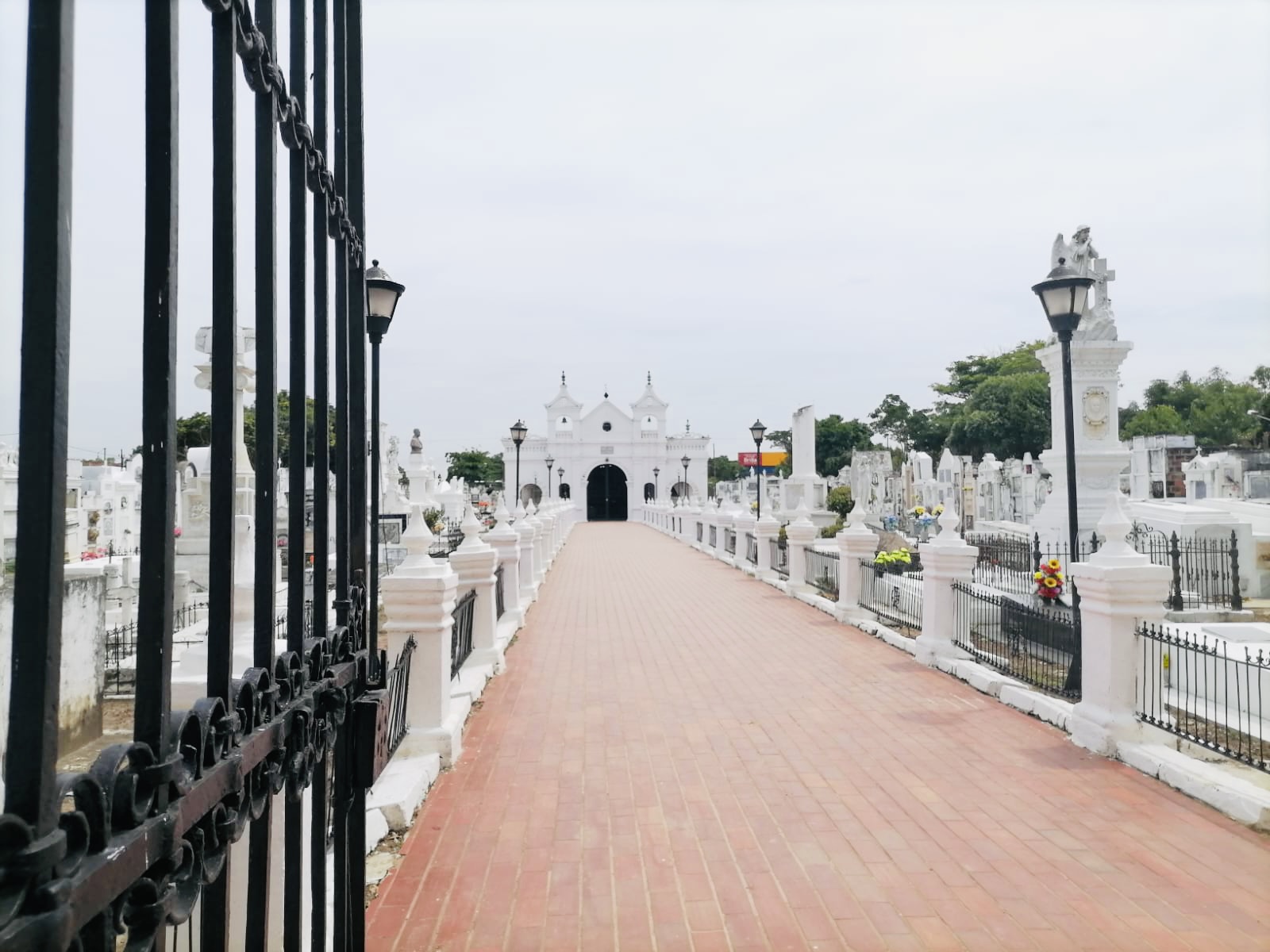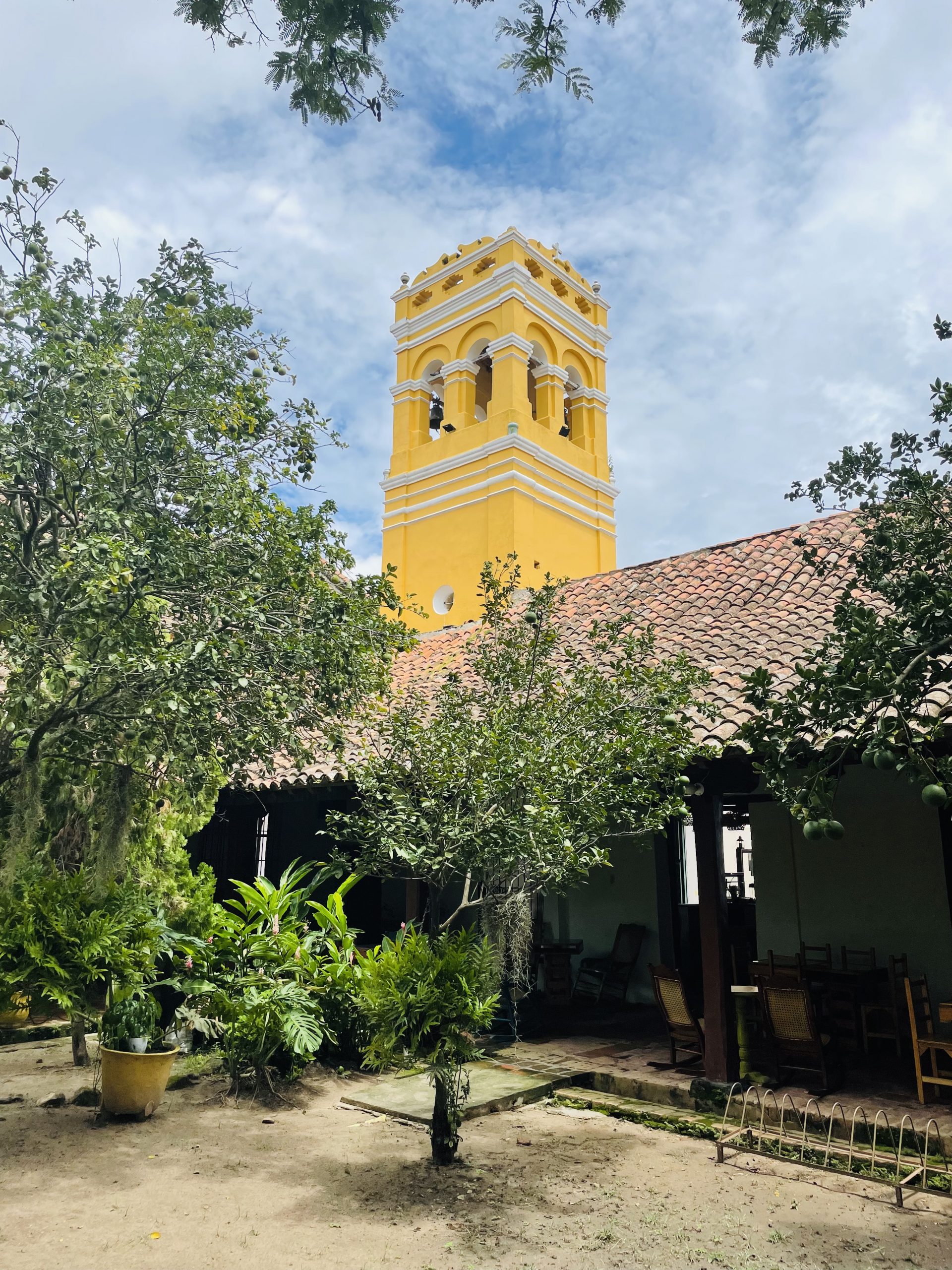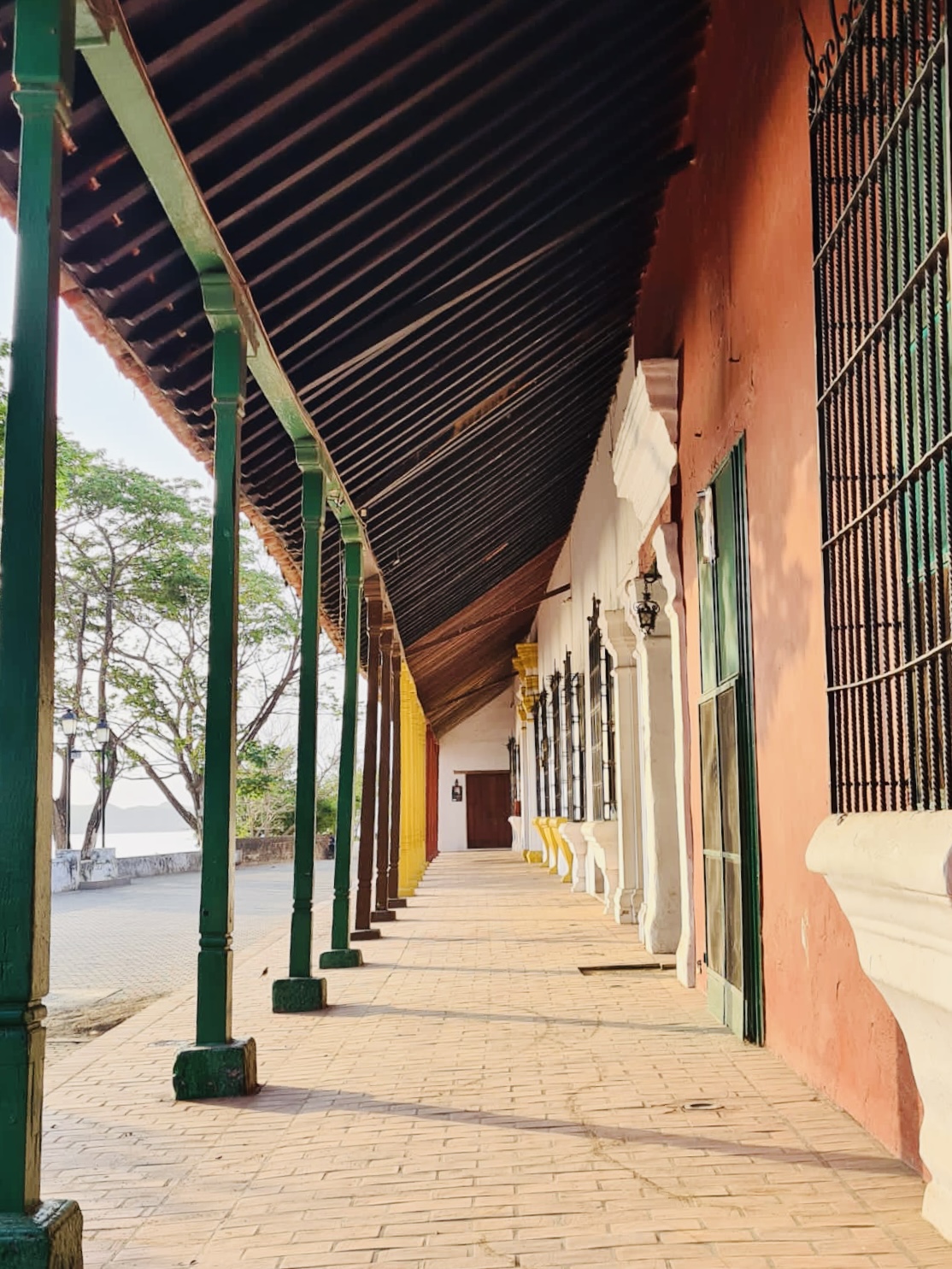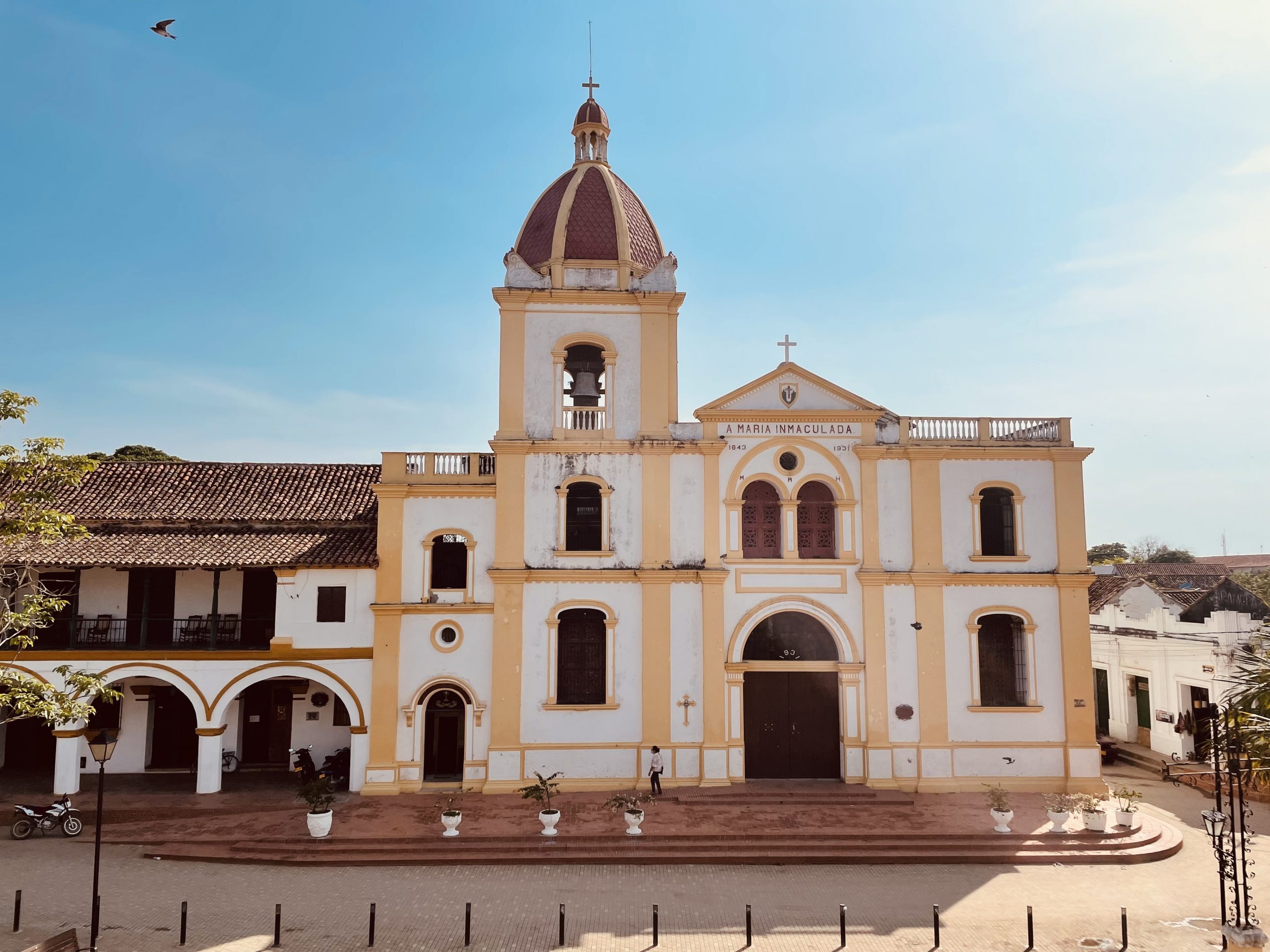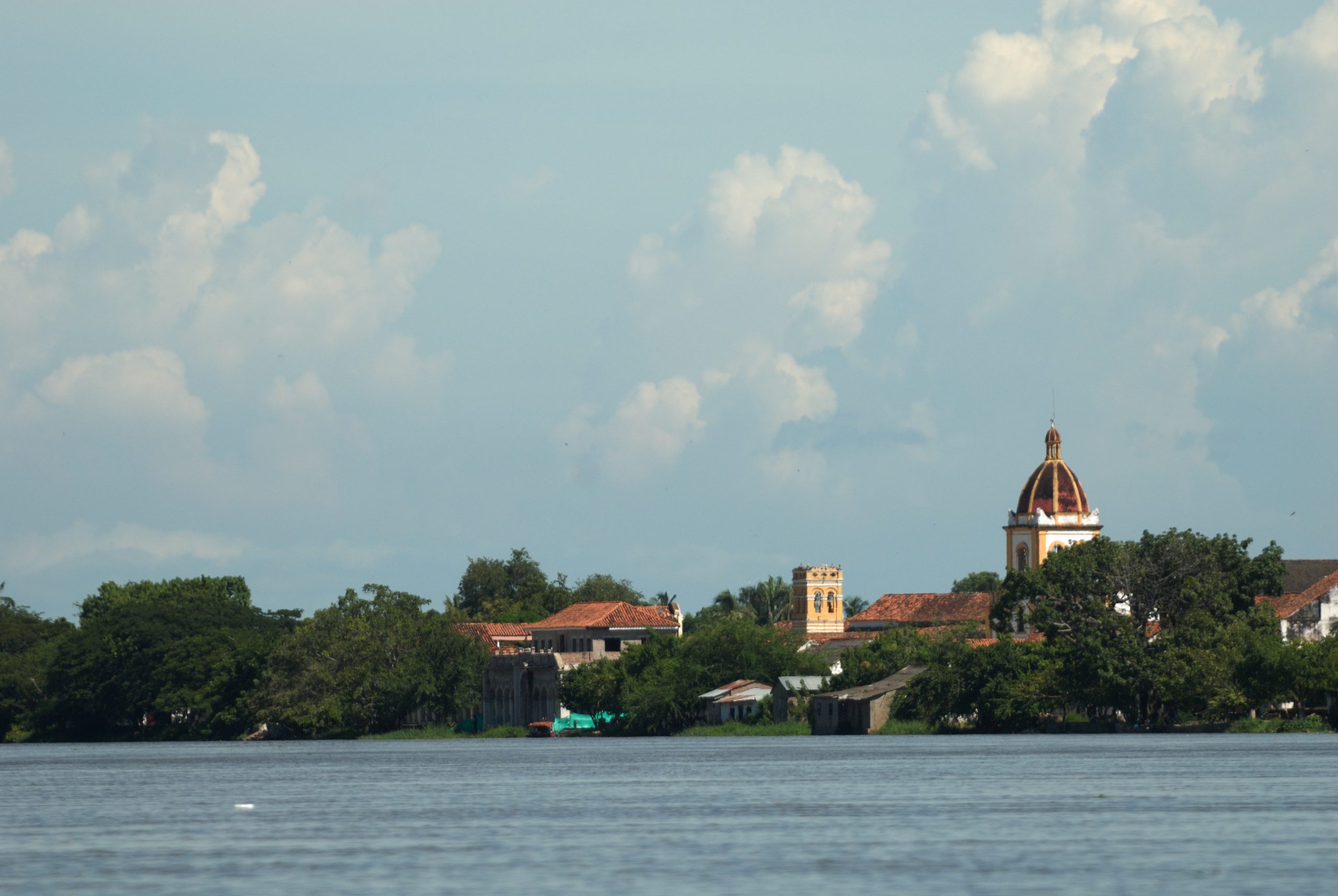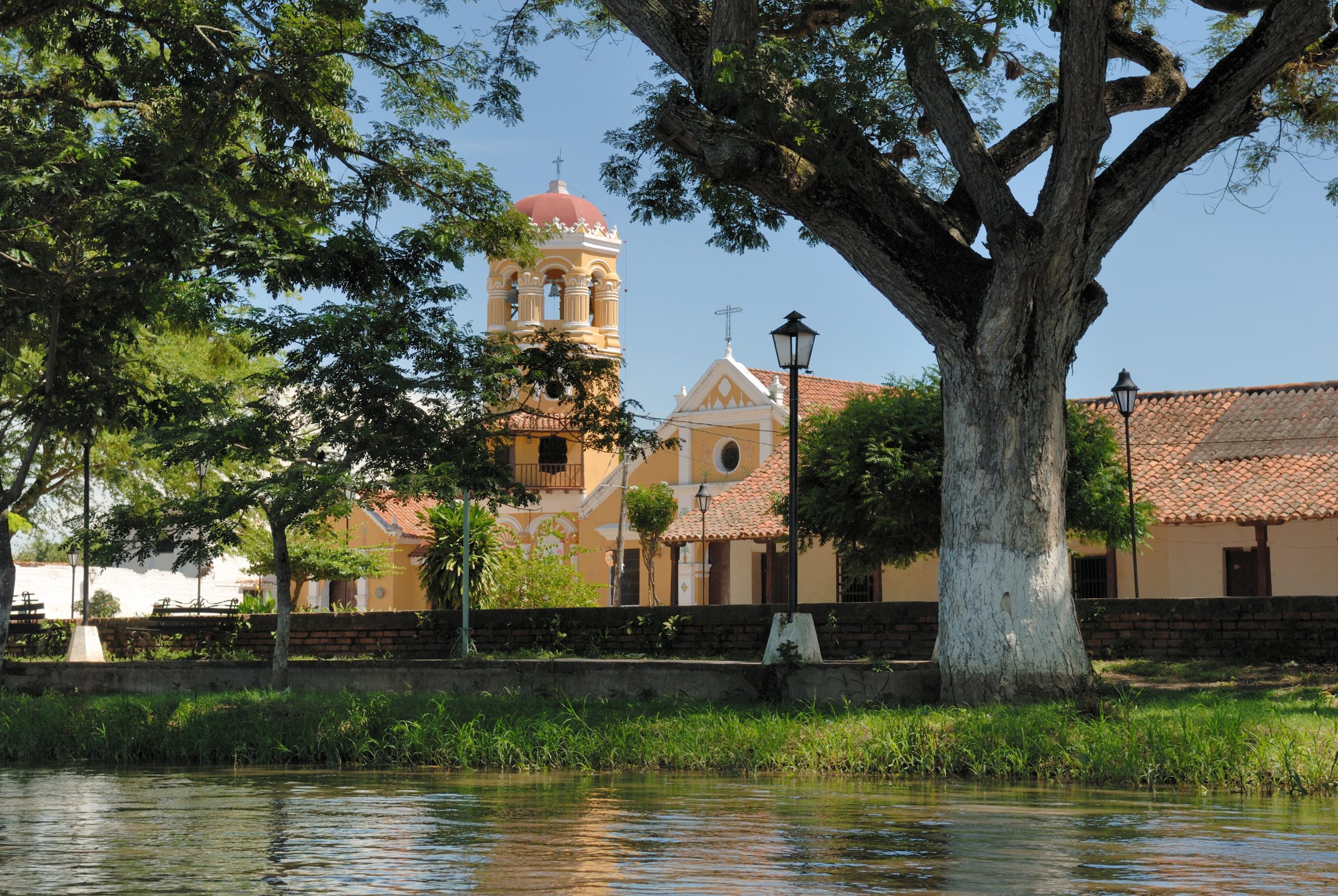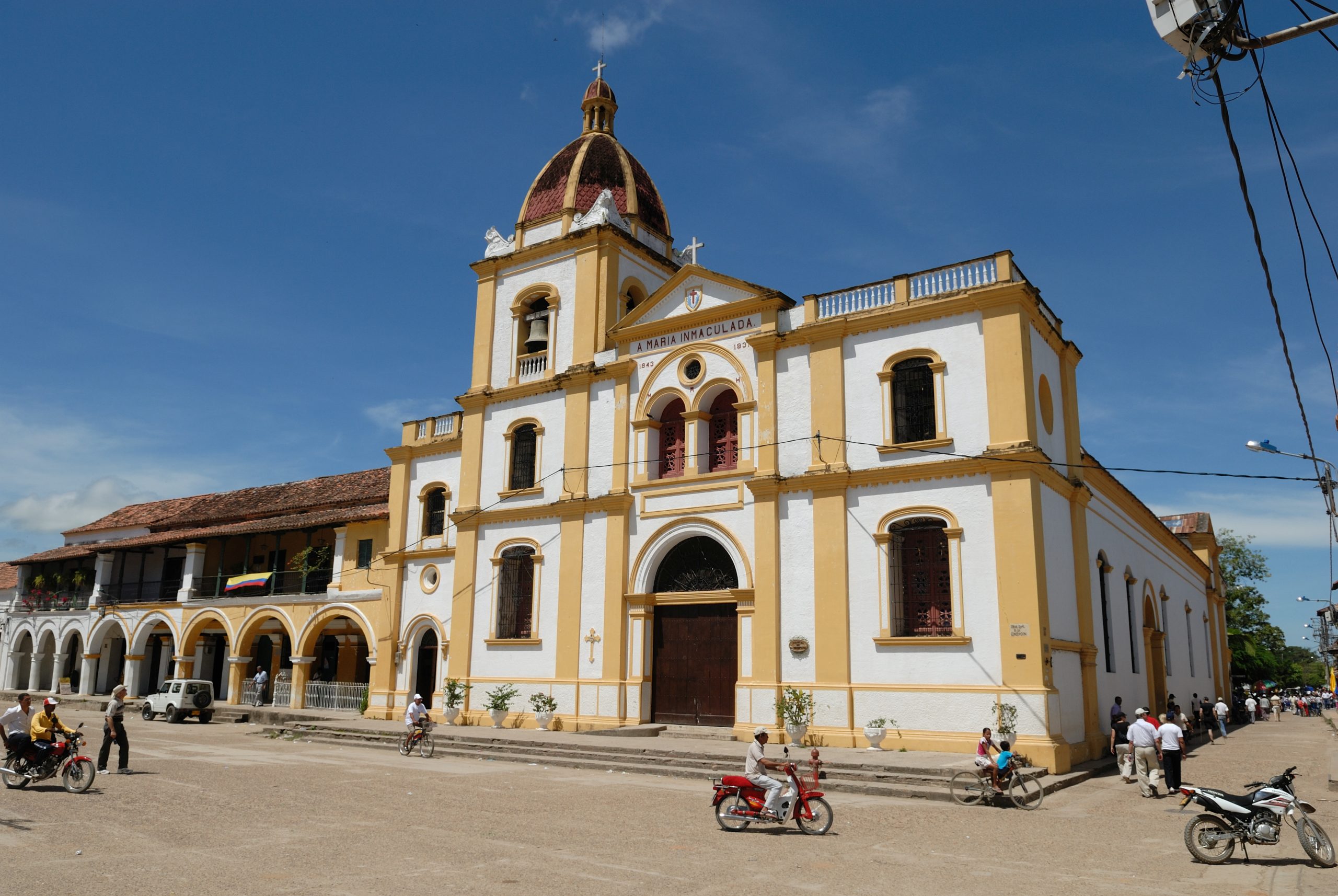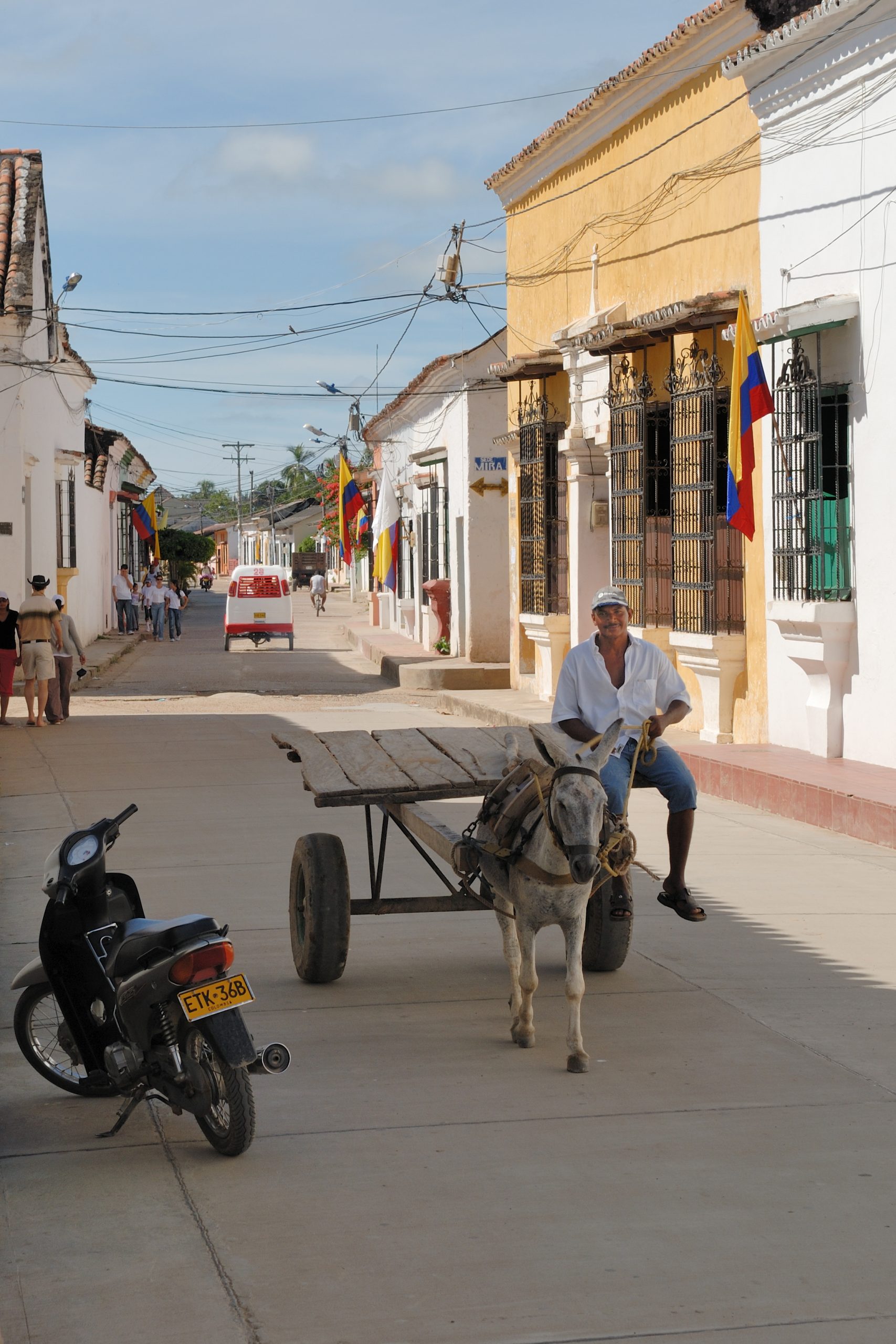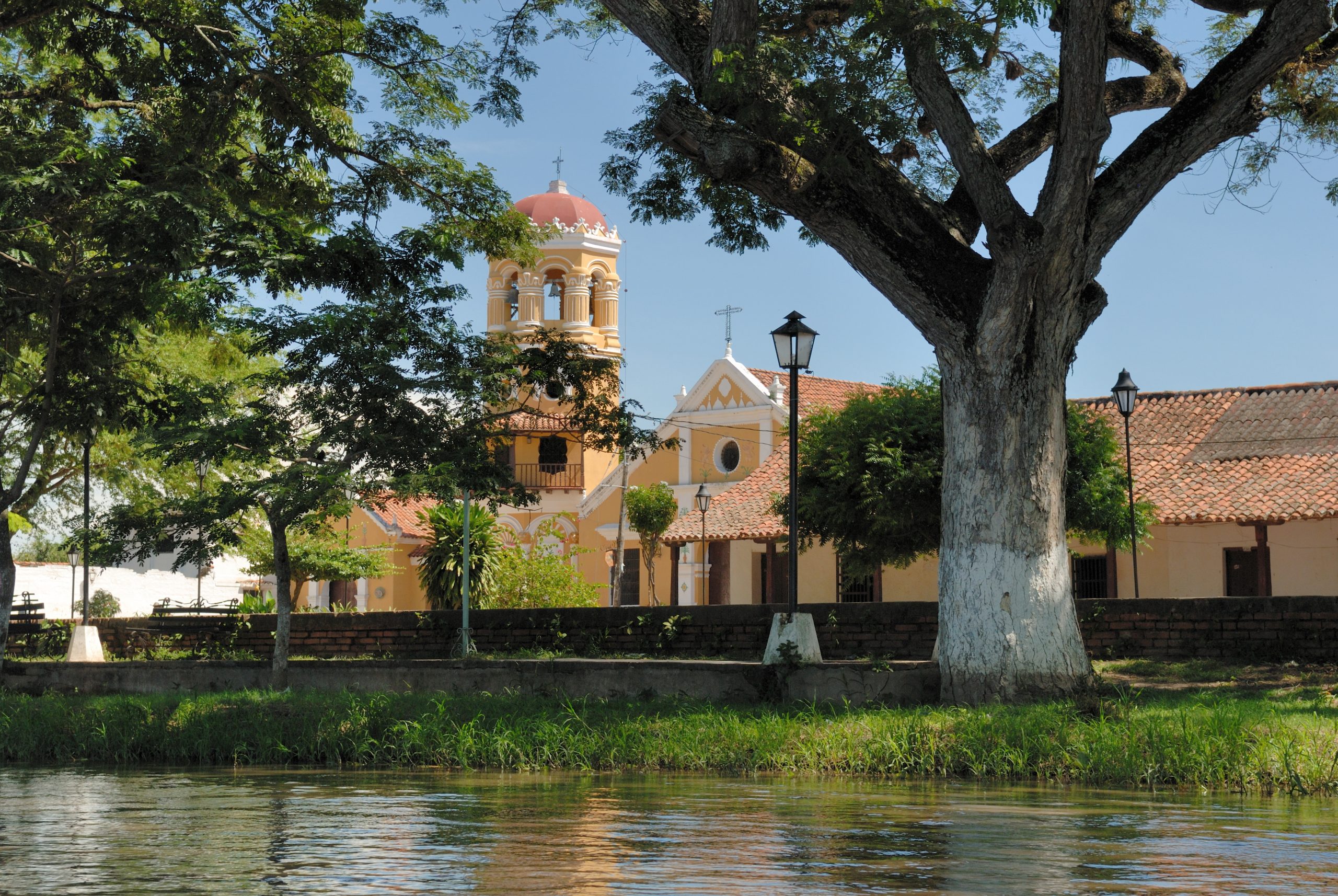
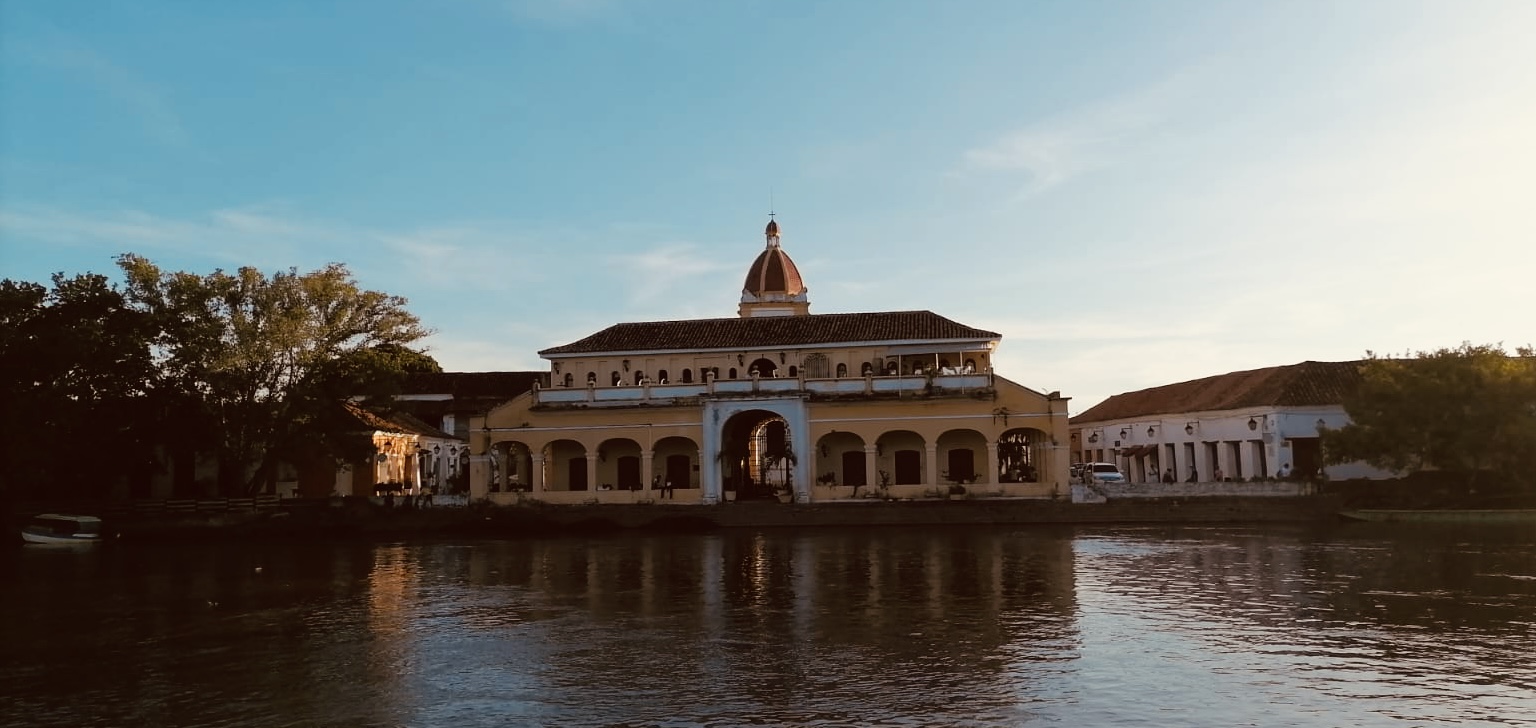
Located on the banks of the Magdalena River, Mompox heritage town offers a glimpse into Colombia’s colonial past. Founded in 1537, the town still preserves much of its historic charm. Whitewashed houses, wrought-iron balconies, elegant churches, and peaceful plazas line its quiet streets. UNESCO recognized its historic centre as a World Heritage Site in 1995.
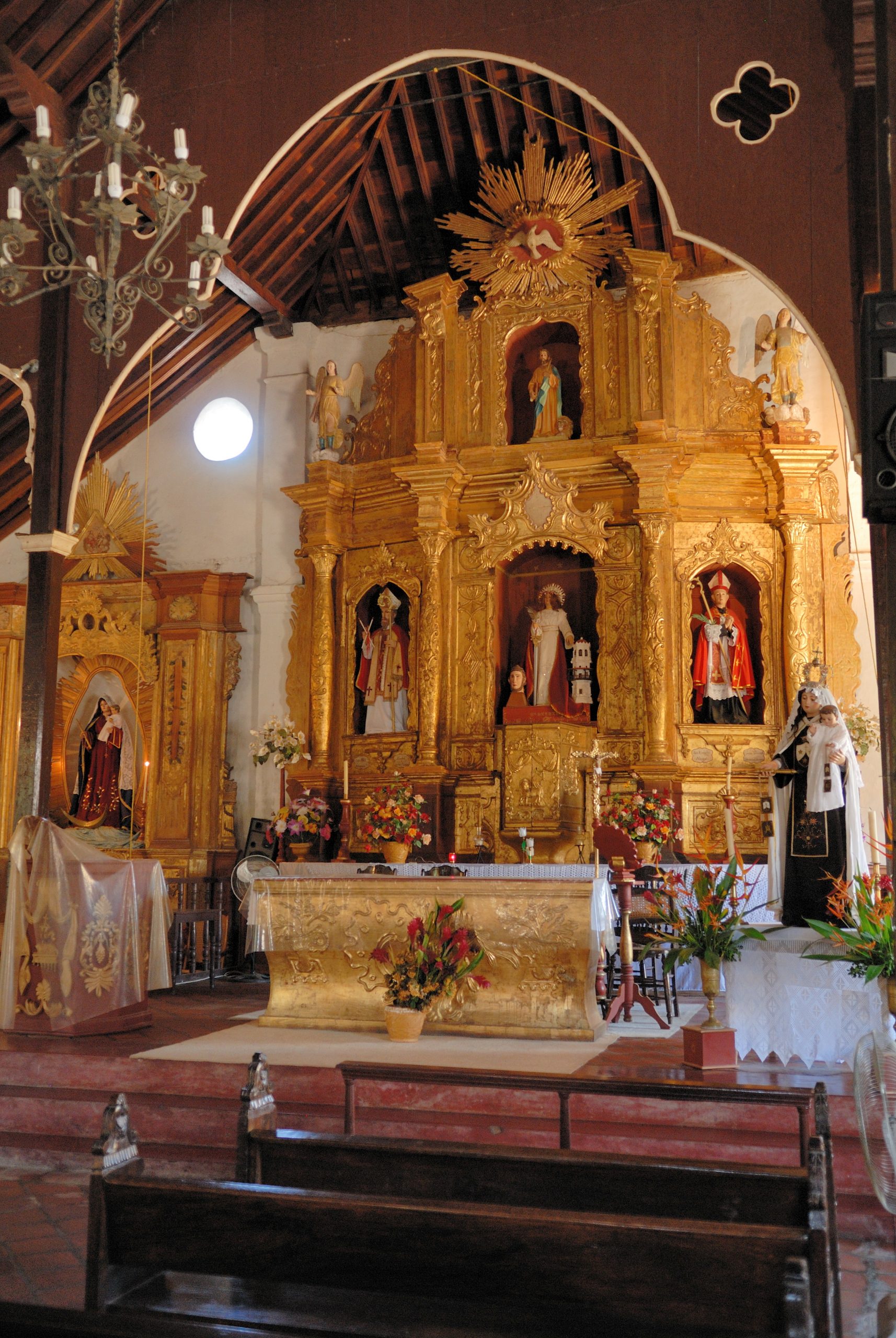
Mompox once played an important role as a river port. Its location allowed traders to connect the Caribbean coast with Colombia’s interior. Gold and other goods passed through the town during the colonial era. This wealth also supported the construction of impressive churches and colonial buildings that still shape the town today.
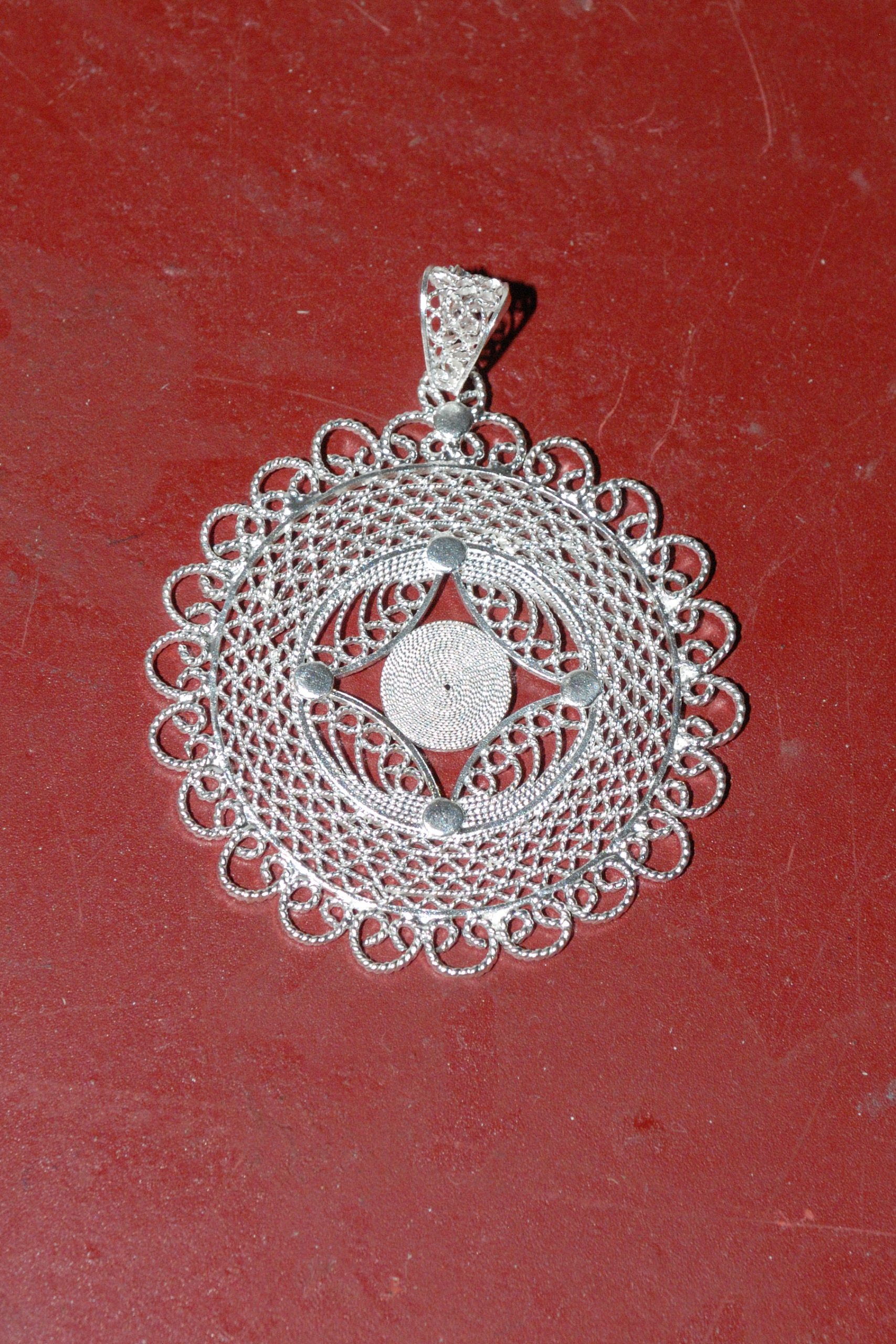
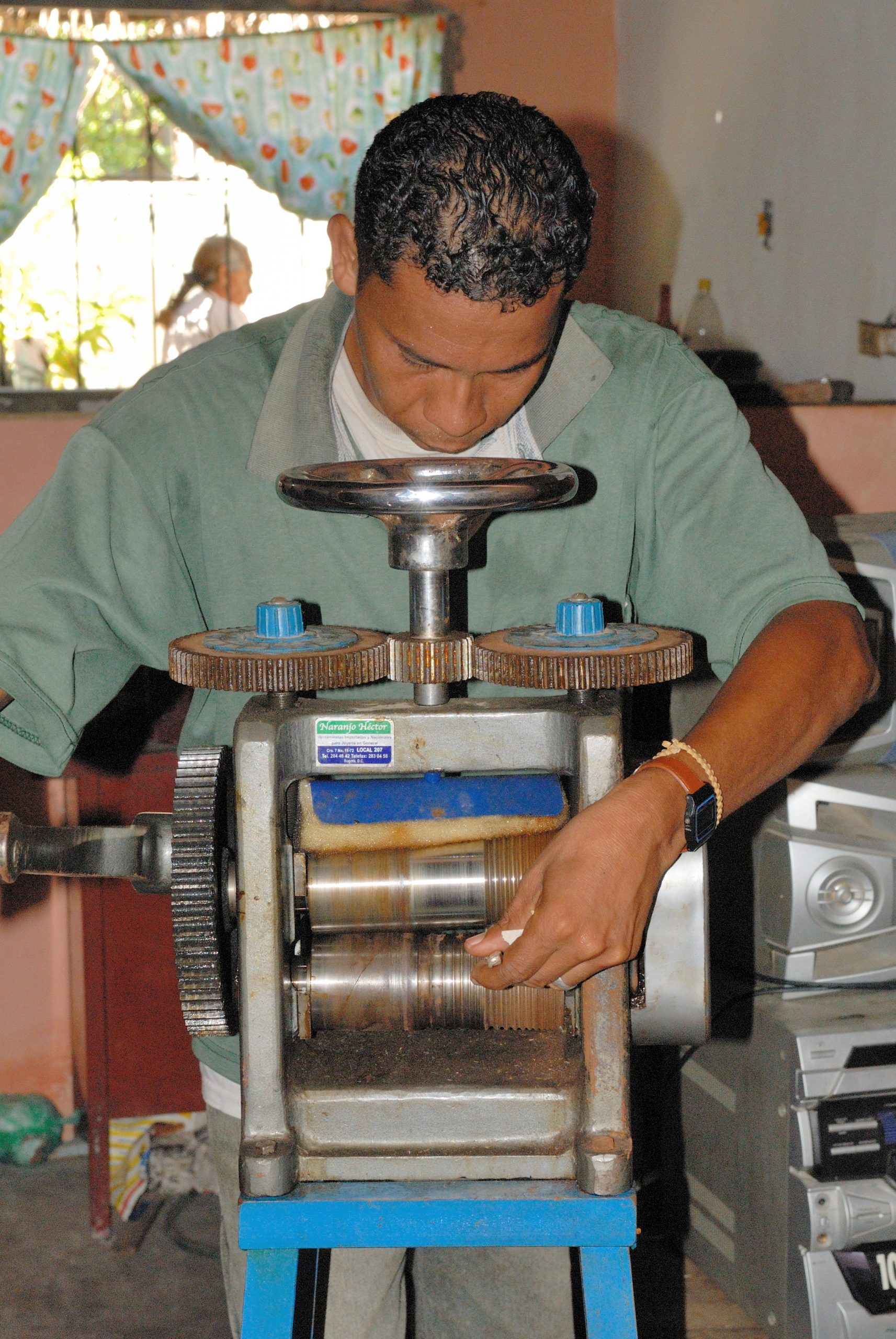
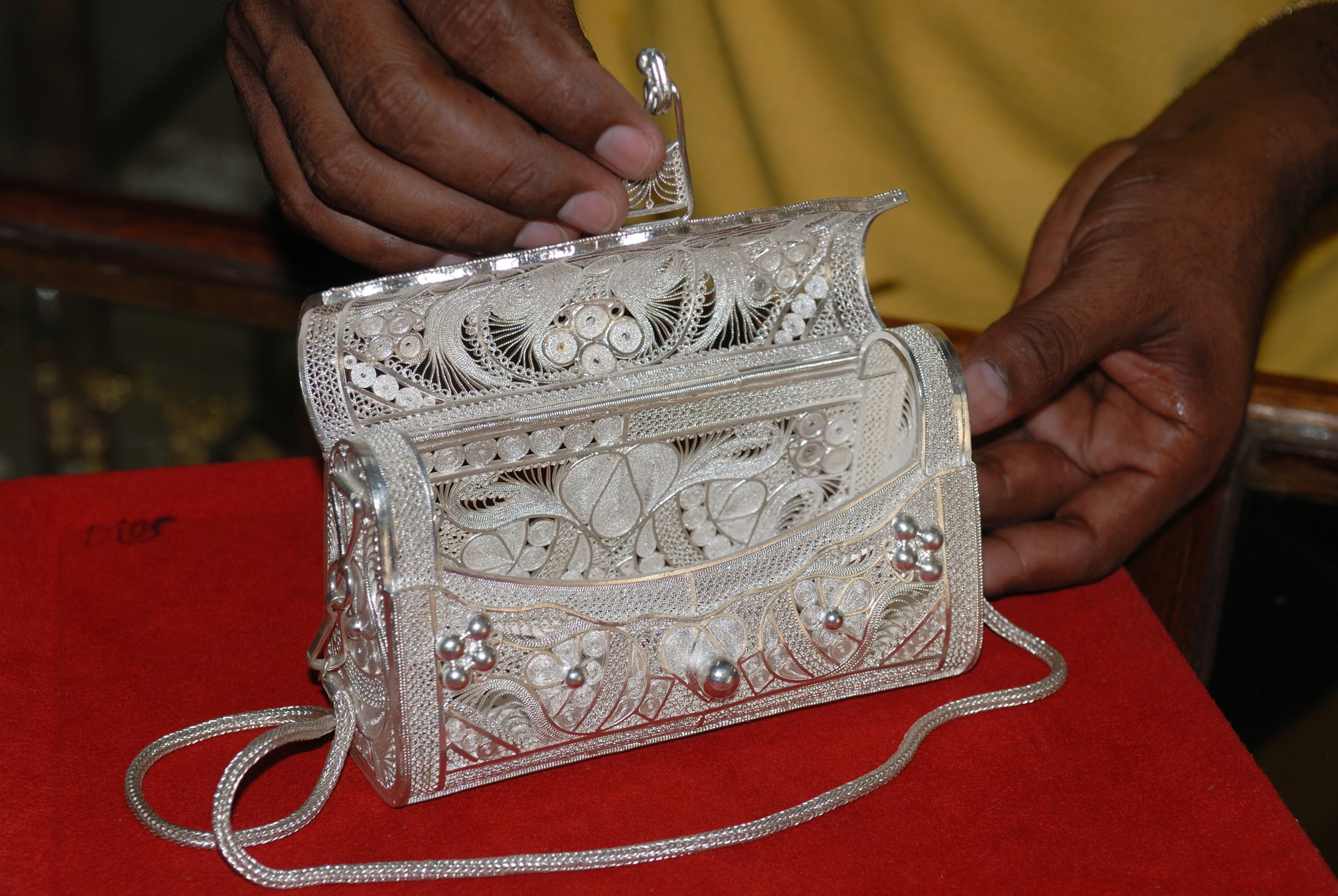
Mompox has a strong artistic tradition. Local artisans are especially famous for their delicate filigree jewellery. They shape fine threads of gold or silver into intricate designs. The craft has passed from one generation to the next and remains an important part of local culture. Visitors can explore workshops and see artisans at work.
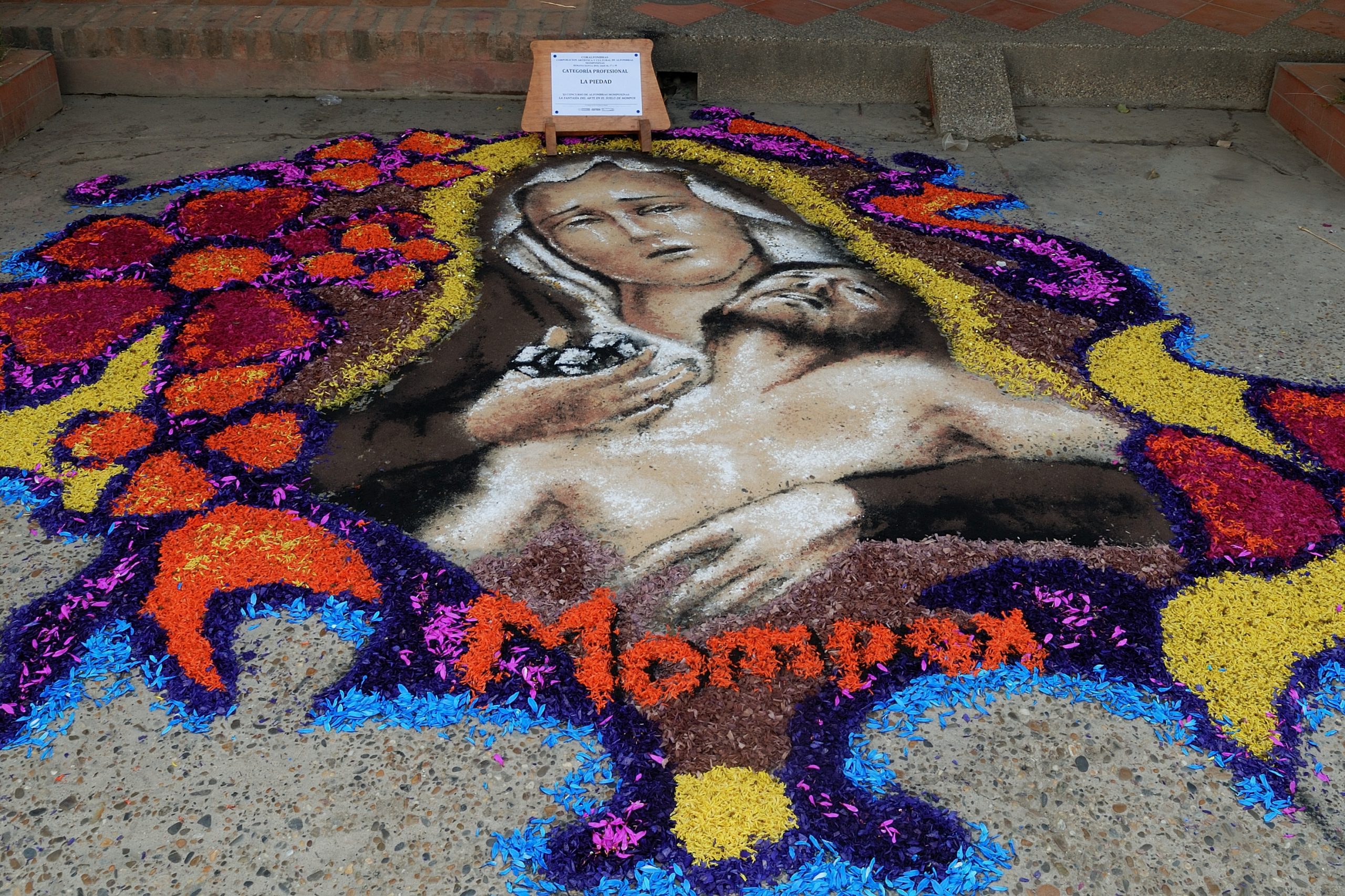
Music and local traditions also form an important part of life in Mompox. The town has strong connections to cumbia and other Caribbean rhythms. During Holy Week, Mompox hosts elaborate religious celebrations that attract visitors from across Colombia.
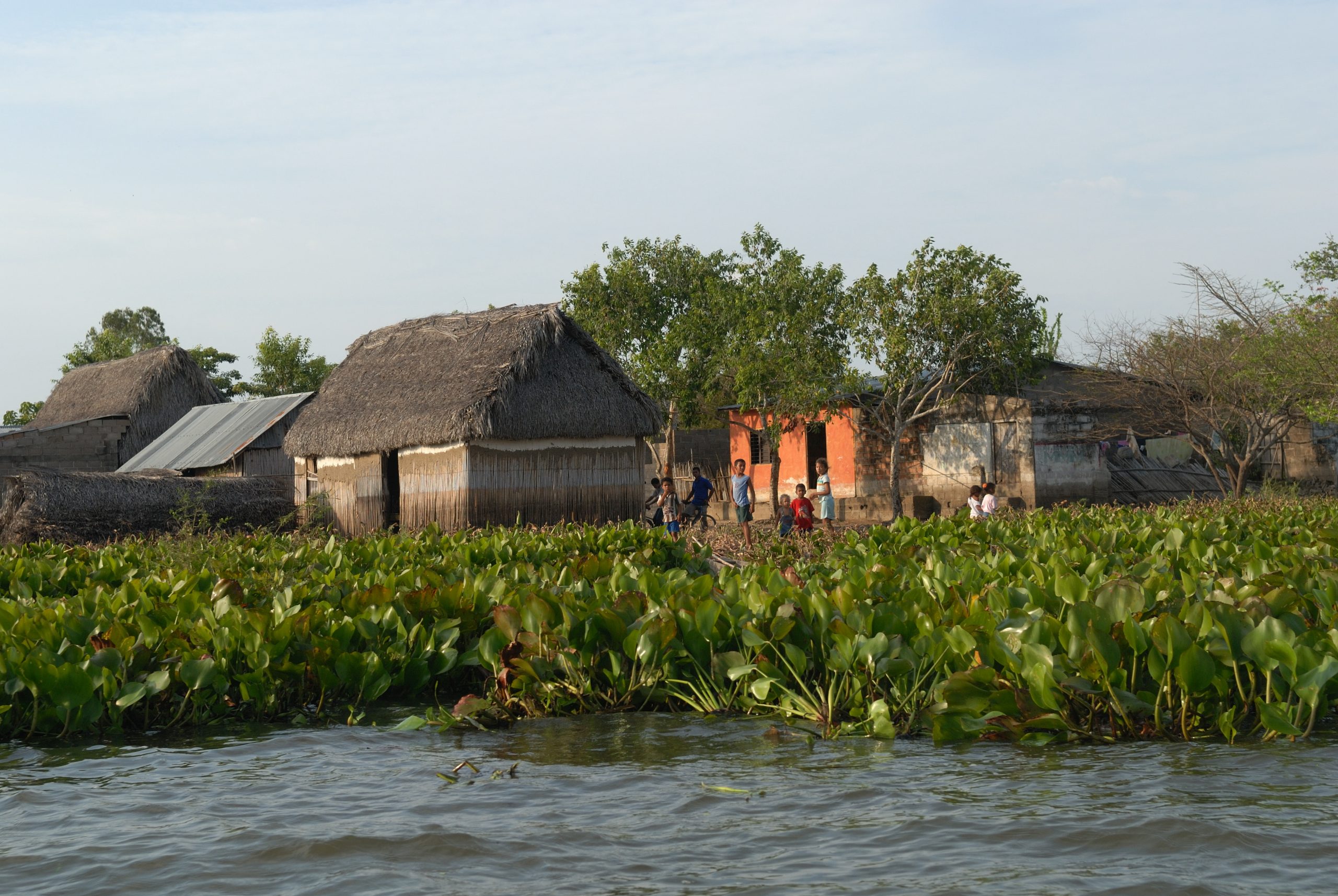
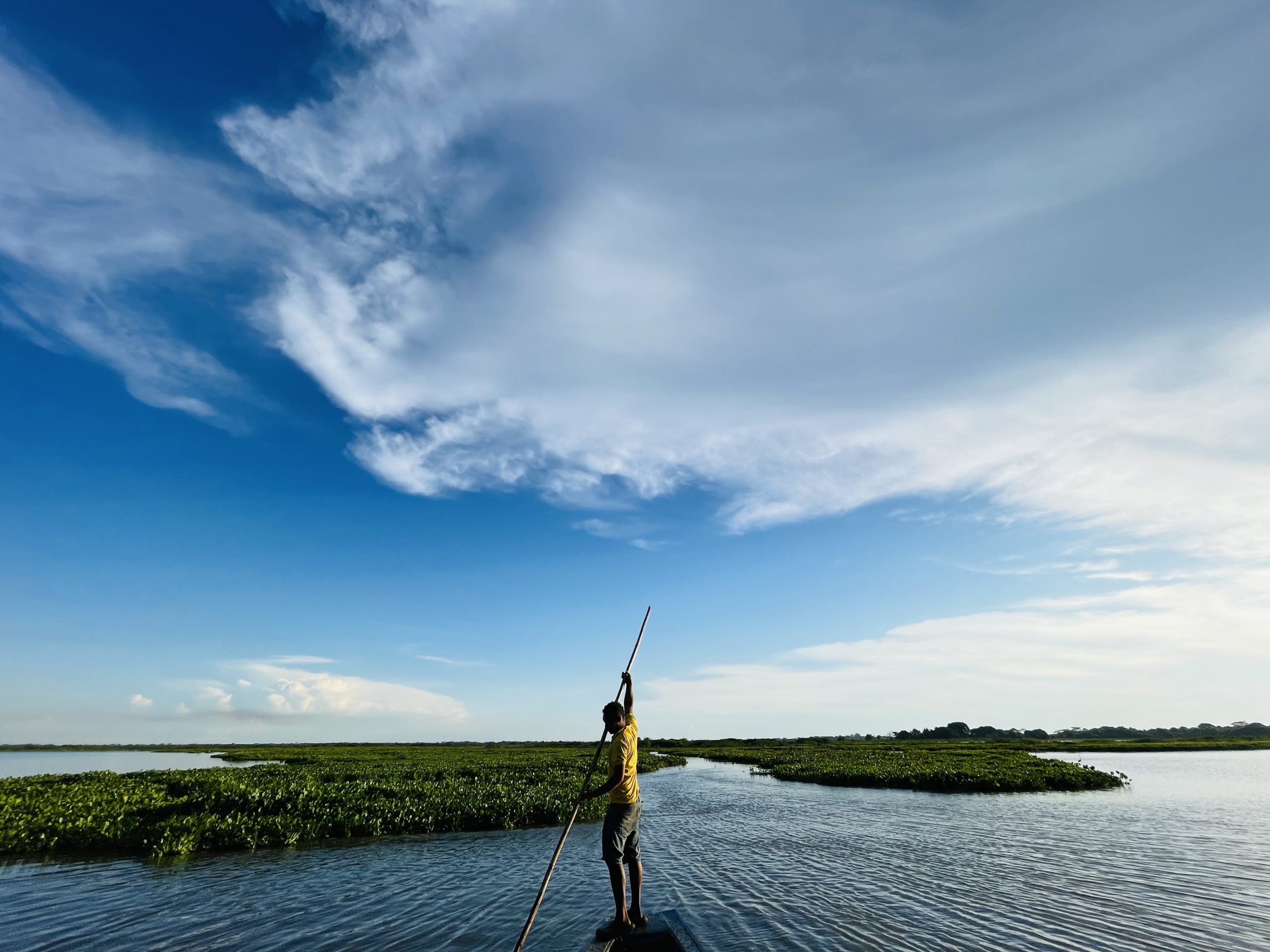
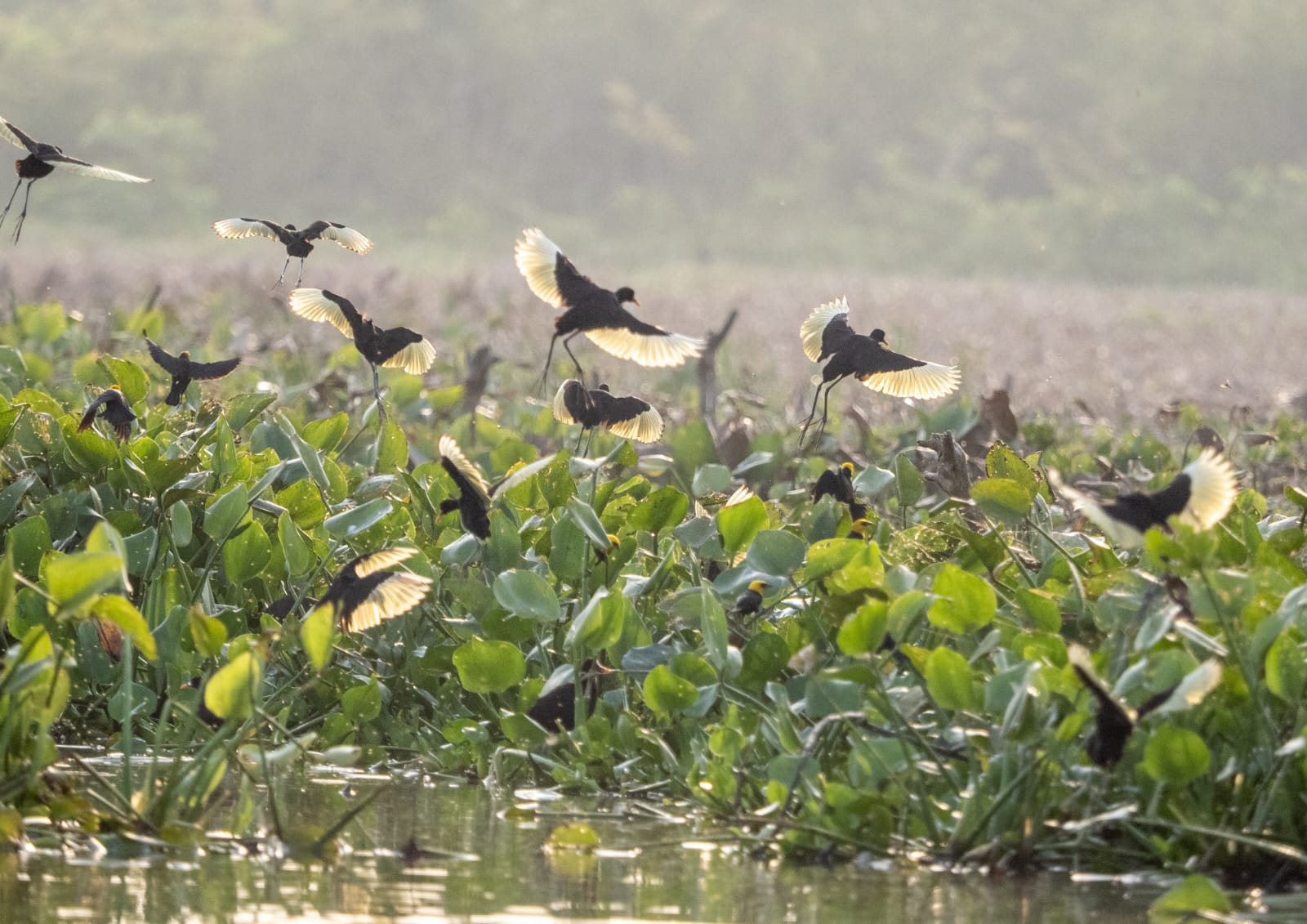
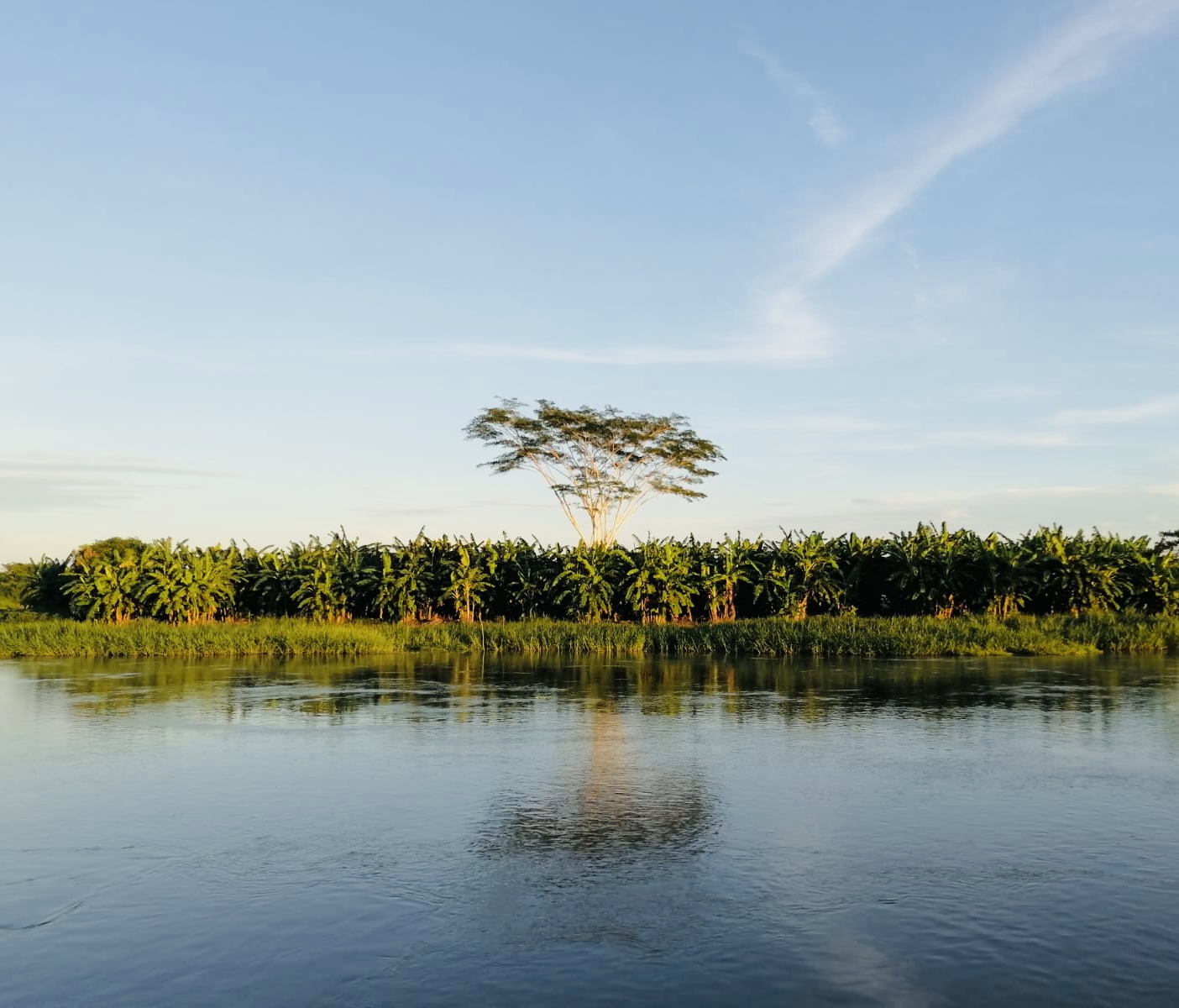
The Magdalena River remains at the heart of life in Mompox. Boat trips take visitors through nearby wetlands, swamps, and mangroves. The surrounding waterways shelter numerous birds, monkeys, and other wildlife. The peaceful landscapes also offer a different perspective on Colombia’s great river.
With its colonial architecture, traditional crafts, river culture, and surrounding nature, Mompox heritage town offers a peaceful and authentic experience away from Colombia’s main tourist routes.