

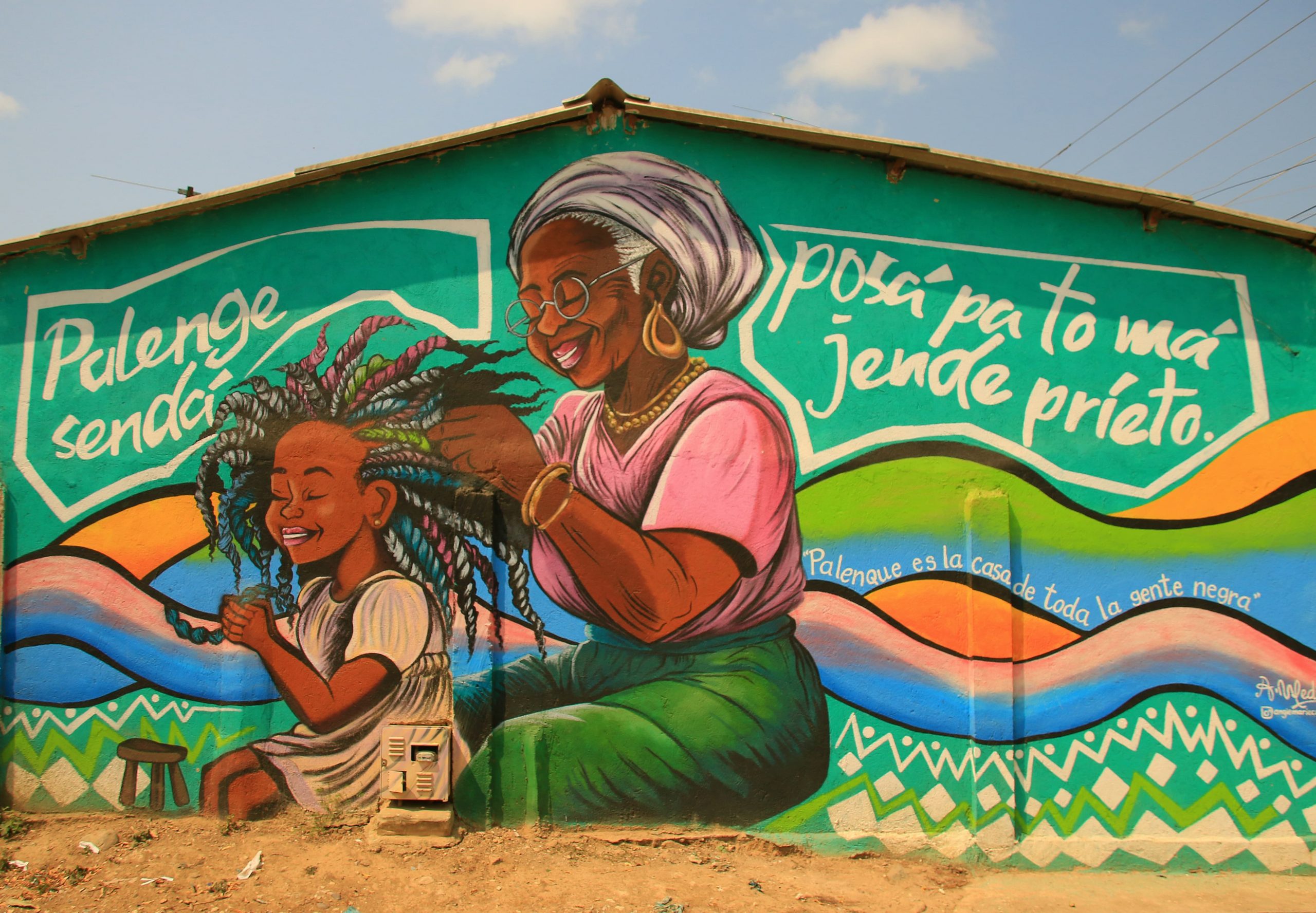
Step into the history and living culture of San Basilio de Palenque, a small village in the Montes de María, about an hour from Cartagena. Known as the first free African town in the Americas, Palenque offers a unique insight into Colombia’s African heritage. At the same time, it tells a powerful story of resistance, resilience, and cultural pride.
The village dates back to the 17th century, when escaped enslaved Africans led by Benkos Biohó established a refuge where they could live freely and protect their traditions. Over the centuries, the community preserved its own language, music, customs, and knowledge. As a result, Palenque remains a remarkable example of how cultural heritage can survive and evolve across generations.
Discover a Living African Heritage
One of Palenque’s most distinctive features is Palenquero, the community’s creole language. It is the only Spanish-based creole language still spoken in the Americas. Its vocabulary and structure also reflect strong influences from Central and West African languages. Therefore, the language offers a fascinating connection to the community’s African roots.
Music and dance are equally important. Traditional rhythms, celebrations, and oral storytelling form an essential part of everyday life. During a visit, you can discover how these traditions are passed from one generation to the next. In addition, local food, crafts, and community stories provide further insights into Palenque’s cultural identity.
A Symbol of Resistance and Resilience
Palenque’s heritage is closely connected to its history of resistance. In 2005, UNESCO recognized the community’s oral and cultural traditions as a Masterpiece of the Oral and Intangible Heritage of Humanity. This recognition highlights the importance of Palenque’s traditions and its role in preserving Afro-Colombian heritage.
However, visiting Palenque is about more than learning about the past. It is an opportunity to meet local people and experience a culture that remains very much alive. Through music, language, food, and storytelling, travelers can gain a deeper understanding of Colombia’s African roots and their influence on Caribbean culture.
For travelers interested in Afro-Colombian culture, history, and community-based experiences, Afro-Colombian Heritage San Basilio de Palenque offers a meaningful experience close to Cartagena. Above all, it provides an opportunity to connect with a community whose heritage continues to inspire and shape Colombia today.
Featured Destinations
-
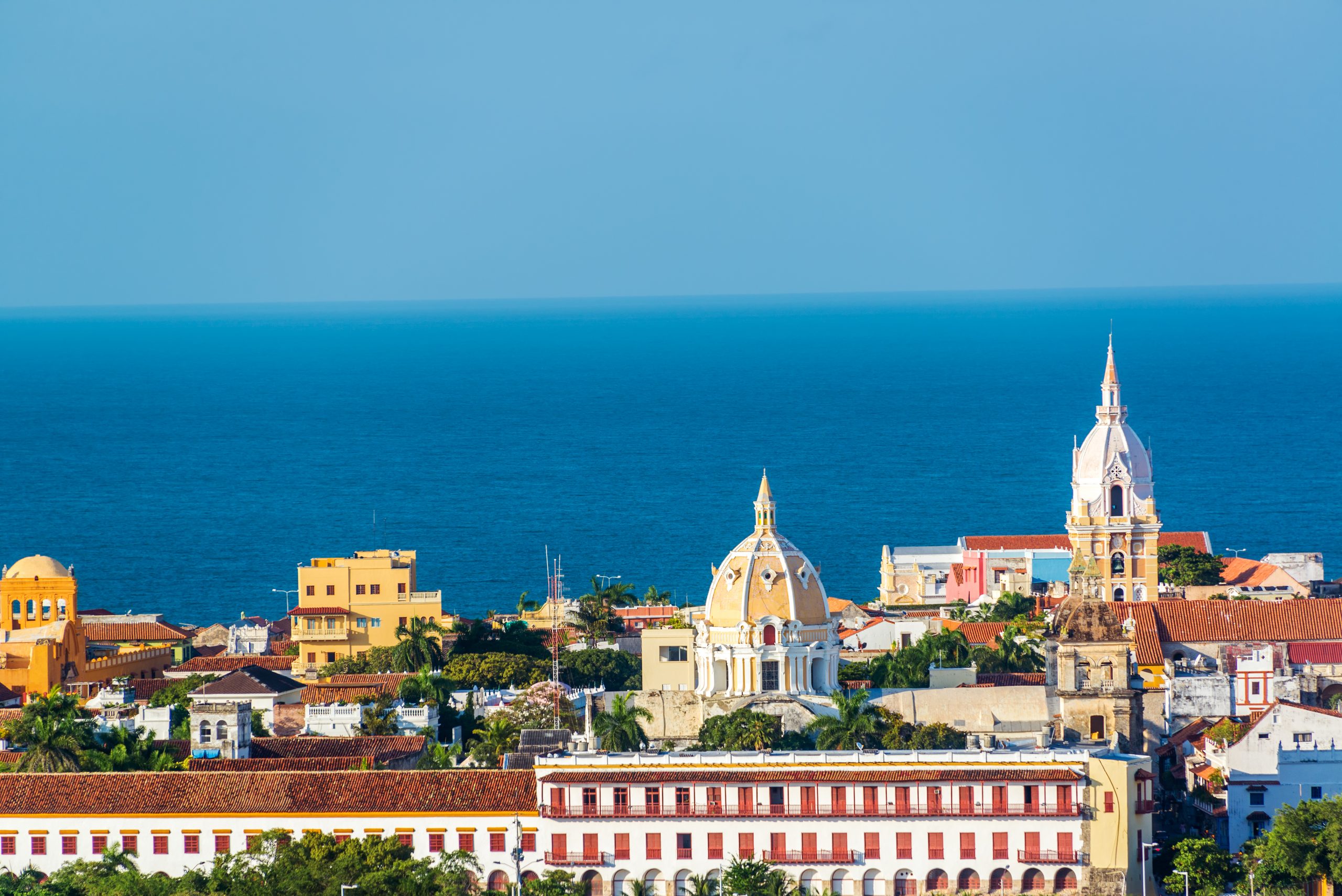
Cartagena de Indias is a city that instantly captivates with its irresistible blend of Caribbean flair, rich history, and vibrant energy. Walking through its enchanting walled old town—recognized as a UNESCO World Heritage Site—feels like stepping into another era. Ancient…
